
Updated on: 6/3/2025

What Is the History Behind Tiki Mugs?
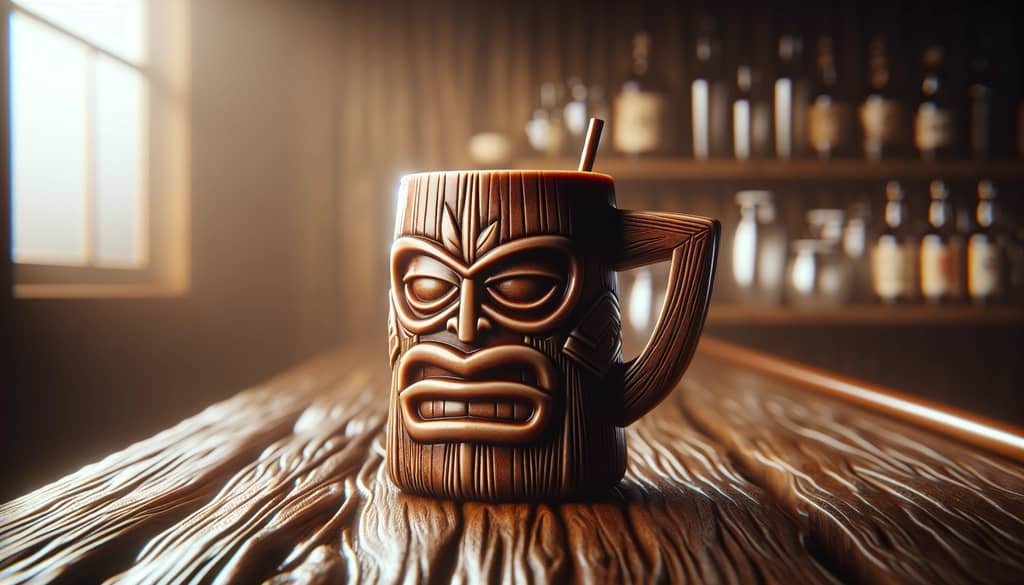
Tiki mugs are instantly recognizable: quirky ceramics often shaped like tropical deities, warriors, or animals, brimming with brightly colored cocktails. But behind their kitschy exterior lies a fascinating backstory rooted in postwar American escapism and creativity.
How Tiki Mugs Came to Be
The rise of tiki mugs is inseparable from the evolution of Tiki culture, a mid-20th-century American phenomenon inspired by an imaginative—and highly stylized—version of Polynesian life. Following World War II, returning U.S. servicemen brought home tales of faraway Pacific islands, stoking a collective desire for escapism. Restaurateurs and bartenders seized on this by creating immersive bars with palm fronds, carved idols, and exotic drinks.
The First Tiki Bars and Their Signature Ceramics
Major cities across the United States saw the birth of pioneering tiki bars in the 1930s and 1940s, notably Don the Beachcomber in Los Angeles and Trader Vic’s in Oakland. Both venues developed legendary cocktail menus featuring rum-heavy drinks served with theatrical panache. Early on, these bars used ordinary glassware—but by the 1950s, custom mugs modeled after Polynesian gods, Moai statues, or fantasy creatures became a signature of the experience.
- Trader Vic’s popularized the tiki mug as a collectible and essential vessel, debuting original ceramics for drinks like the Mai Tai.
- Mugs often depicted stylized Tiki idols, mermaids, coconuts, or chiefs, tapping into a fantasy version of Polynesian art.
- Many early mugs were manufactured by West Coast ceramics companies, each with their own spin on glaze and form.
Symbolism and Collectibility
Beyond mere drinkware, tiki mugs emerged as souvenirs, status symbols, and even limited-edition collectibles. Venues offered house-branded mugs to encourage repeat visits and add a sense of theatrical immersion. Each mug reinforced the escapist fantasy, making the drink as much about the vessel as the cocktail itself.
Modern Tiki Resurgence
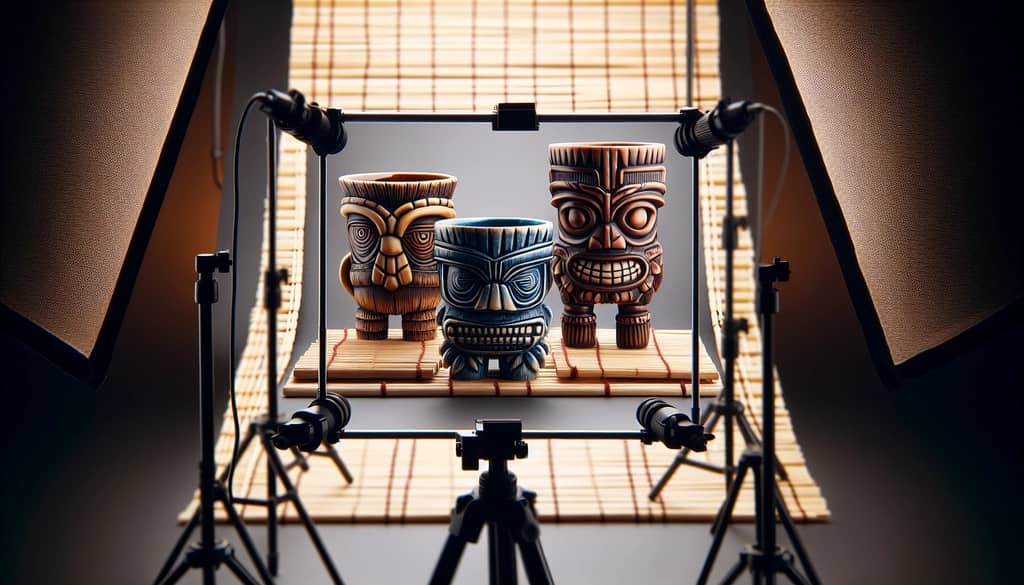
Interest in tiki mugs has enjoyed multiple revivals as new generations embrace Tiki culture’s playful spirit. Today’s mugs are made by artisan ceramicists and major barware brands alike, with designs ranging from classic Ku and Moai motifs to tongue-in-cheek pop culture mashups. Collectors value both vintage finds and modern limited runs, ensuring that tiki mugs remain an emblem of playful escapism and creative mixology.
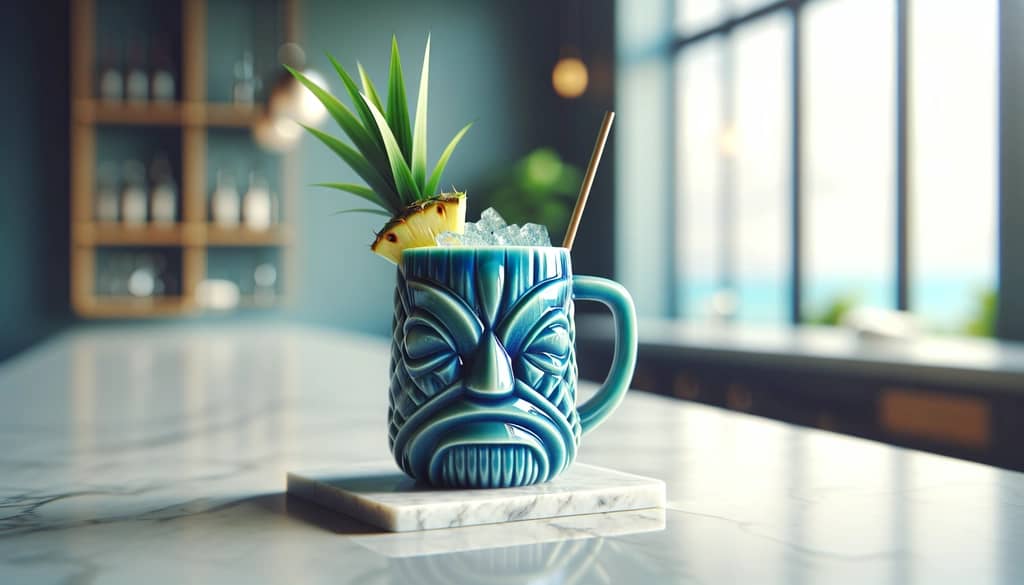
The history behind tiki mugs is more than just a timeline of objects—it's a story of American imagination, hospitality, and the ongoing quest for transportive fun through good drinks and good company.