
Updated on: 6/3/2025

Tracing the Origin of the Garibaldi Cocktail
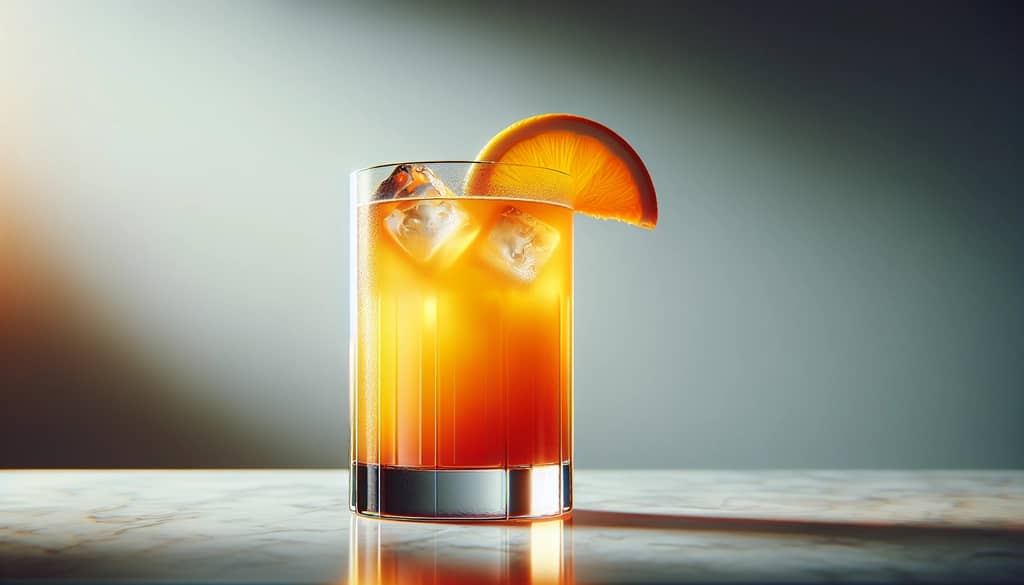
Few cocktails wear their history as proudly as the Garibaldi. Named after Giuseppe Garibaldi, a central figure in Italy’s nineteenth-century unification, this vibrant, bittersweet drink reflects both national pride and simplicity at the heart of Italian aperitivo tradition.
The Story Behind the Name: Garibaldi and the Risorgimento
Giuseppe Garibaldi, known for his distinctive red shirts and impassioned leadership, played a pivotal role in uniting Italy’s disparate regions into a single nation in the 1800s. The Garibaldi cocktail isn’t just a tribute to a man, but a nod to the spirit of unity and the symbolic merging of north and south in the Italian peninsula.
Two key ingredients embody this symbolism: Campari, the iconic bitter liqueur from northern Italy, and fresh orange juice, prominent in the groves of southern Sicily. Mixing them creates a visual and flavorful harmony that mirrors the historic blending of Italy’s cultural landscapes.
Garibaldi Cocktail Recipe
At its core, the Garibaldi is a study in balance and simplicity. The secret to an exceptional version lies in the treatment of the orange juice: freshly squeezed and powerfully aerated for a creamy, cloud-like texture. This approach is popularized by modern Italian bars and brings silky richness to each sip.
- 45 ml Campari
- 120 ml freshly squeezed orange juice, well-aerated
- Orange wedge or slice (for garnish)
- Fill a tall highball glass with ice.
- Add 45 ml Campari to the glass.
- Aerate 120 ml orange juice by whipping it with a frother or shaking hard, then pour over the Campari.
- Stir gently to create a sunset effect of red fading into orange.
- Garnish with a thick orange wedge or slice.

Symbolism of the Garibaldi’s Ingredients
The drink’s two-ingredient simplicity goes beyond ease of preparation. Campari, with its ruby-red color, mirrors the red-shirts donned by Garibaldi and his volunteers — a color chosen not for subtlety but to make a statement. The orange juice, abundant in southern regions, stands for the agricultural richness and brightness of southern Italy. Paired, they echo the journey from divided territories to one vibrant nation.
That each glass is unique — depending on the ripeness of the orange, the vigor of the aeration, or the precise layering — subtly alludes to the regional diversity within Italian unity. It’s a toast not just to a hero, but to a nation that is both complex and harmoniously blended.