Updated on: 6/3/2025

The Sazerac Cocktail: Origins, Evolution, and Legacy

Few cocktails are as closely tied to a city’s identity as the Sazerac is to New Orleans. This spirited mix of rye, absinthe, sugar, and bitters has evolved significantly since its 19th-century beginnings, shaping and reflecting the American cocktail landscape.
Tracing the Roots: Early Beginnings in New Orleans
By the 1830s, New Orleans was already a bustling port city with a dynamic bar scene. In this environment, Antoine Amédée Peychaud, a Creole apothecary, introduced his signature bitters, mixing them with brandy and sugar for his patrons. He served this blend in small egg cups—known as coquetiers—believed by some to have inspired the word "cocktail." This claim blends myth and fact, but it’s certain Peychaud’s concoctions marked the first step in the Sazerac’s story.
The Sazerac House and the Birth of a Name
In the 1850s, the Sazerac de Forge et Fils cognac imported from France became the star spirit at the Sazerac Coffee House, owned by John Schiller and later Thomas Handy. The bitters-and-brandy cocktail served here gained popularity as the "Sazerac." The story shifted again when the phylloxera crisis devastated European cognac supplies in the late 19th century. Bartenders in New Orleans adjusted, turning to American rye whiskey, shaping the profile we know today.
Evolution of Ingredients and Technique
The Sazerac has seen several key changes, reflecting broader trends in spirits and bartending:
- Original Sazerac used French brandy (often cognac) as its base.
- Rye whiskey became standard after the 1870s, lending a spicier, drier backbone.
- Absinthe provided a herbal accent until its ban in the early 20th century; bartenders then switched to anise-flavored substitutes like Herbsaint or pastis.
- Preparation evolved, favoring a glass ‘rinse’ with absinthe rather than mixing it in, achieving nuanced aromatics rather than strong licorice notes.
- Lemon peel (never muddled) became the iconic garnish, expressing oils over the finished drink for a fresh citrus lift.

Classic Sazerac Recipe (Modern, Rye-Based)
Today’s Sazerac stays true to its roots with some contemporary refinements. The cocktail’s preparation is as important as the ingredients, emphasizing patience and precision.
- 60 ml rye whiskey (or split 30 ml rye, 30 ml cognac for a historic twist)
- 5 ml absinthe (or Herbsaint/pastis if authentic absinthe unavailable)
- 1 sugar cube (5 ml simple syrup also possible)
- 2–3 dashes Peychaud’s bitters (≈2–3 ml)
- Lemon peel (for garnish)
Method:
- Chill an old fashioned glass thoroughly.
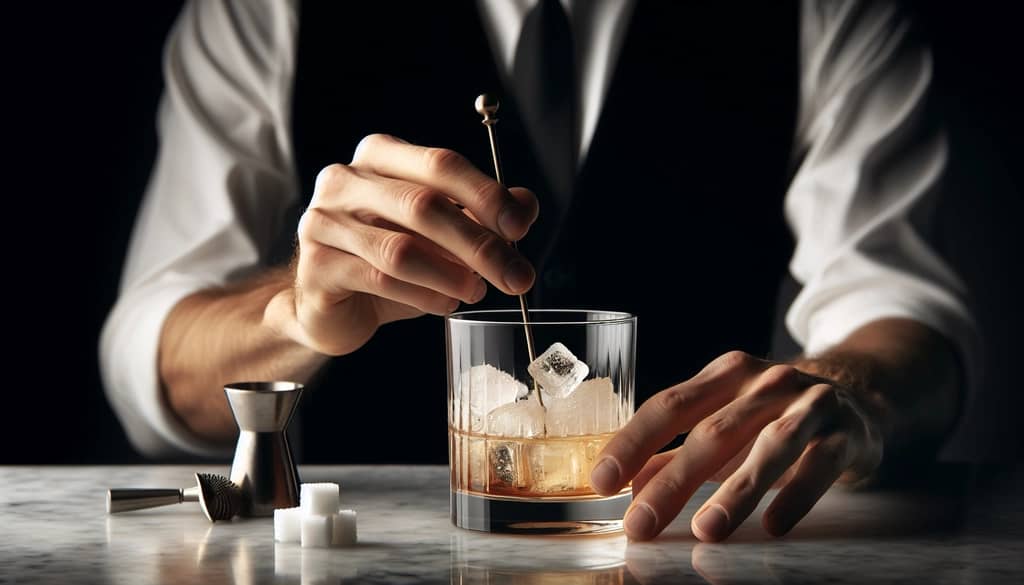
- Add sugar and bitters to a mixing glass. Muddle or stir to dissolve (or use 5 ml syrup as a shortcut).
- Add rye whiskey (and cognac if used) with ice; stir until well-chilled.
- Rinse the cold glass with 5 ml absinthe, discarding excess.
- Strain the whiskey mixture into the prepared glass, no ice.
- Express a wide lemon peel over the drink and drop it in or discard, per taste.
Legacy and Modern Significance
The Sazerac stands as an emblem of classic cocktail technique, uniting the complexity of spirits with the finesse of balance and ritual. Its role as an official cocktail of New Orleans, recognized by city ordinance in 2008, cements its place in local culture. Beyond Louisiana, bartenders worldwide consider the Sazerac a benchmark for whiskey cocktails, admired for its simplicity and depth—and a testament to American bartending’s creativity under changing circumstances.
From its legendary ties to apothecary shops and the bustling Sazerac House to present-day cocktail bars, the Sazerac’s journey is a reflection of adaptation, enduring flavor, and the spirit of New Orleans itself.