
Updated on: 6/3/2025

Singapore Sling: The Cocktail's Storied History
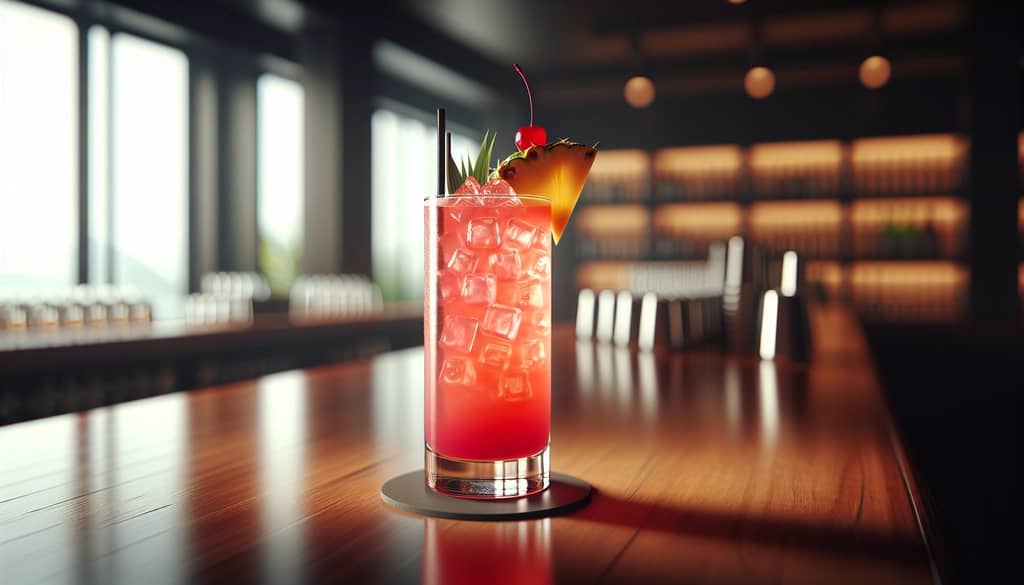
The Singapore Sling is more than just a tropical refreshment—it's a symbol of an era, a city, and the enduring creativity of bartenders. Few classic cocktails have a history as colorful or as debated. From its elegant beginnings to its countless interpretations worldwide, the true story behind the Singapore Sling is as layered as its flavors.
Origins at the Long Bar: From Colonial Days to Classic Status
Most cocktail stories begin in dim bars or distant cities, but the Singapore Sling's widely-accepted birthplace is the Long Bar at Raffles Hotel, Singapore, around 1915. The hotel, a British colonial landmark, attracted a cosmopolitan mix of travelers, merchants, and the colonial elite. At a time when etiquette frowned upon women drinking spirits in public, bartenders discreetly devised fruit-based drinks—long, refreshing, and disguised with vibrant colors.
It was Ngiam Tong Boon, a bartender of immense skill, who first crafted what became known as the Singapore Sling. His invention gave women a socially-acceptable drink that looked like fruit punch but carried the complex flavor and kick of a real cocktail. The original recipe included gin, cherry brandy, and fresh pineapple juice—a tropical departure from the drier drinks favored in Europe. Over the years, its ingredient list evolved as bartenders experimented with new flavors and spirits.
What Goes Into a Real Singapore Sling?
Ask three bartenders and you'll get three different Singapore Sling recipes. The cocktail's core—gin, cherry liqueur or brandy, and pineapple juice—anchors almost all versions. Yet the real Singapore Sling, as served at Raffles in the early 20th century, is richer and more layered than most modern imitations.
- 60 ml gin (classic London Dry style is typical for period accuracy)
- 30 ml cherry brandy (sometimes labeled cherry liqueur)
- 120 ml fresh pineapple juice (historically from Sarawak pineapples, prized for their foam and sweet-tart flavor)
- 15 ml lime juice (not always original, but essential in most historical recipes by the 1930s)
- 7.5 ml Cointreau (orange liqueur, found in later, hotel-approved recipes)
- 7.5 ml Bénédictine (herbal liqueur, found in recognized versions)
- 10 ml grenadine (for sweetness and a gentle pink hue)
- 1 ml aromatic bitters (such as Angostura)
This “hotel standard” was only formalized decades after its supposed creation; written evidence from the early days is nearly impossible to find, and the recipe may have evolved as hotel bartenders and guests adapted the drink to changing tastes and available spirits.
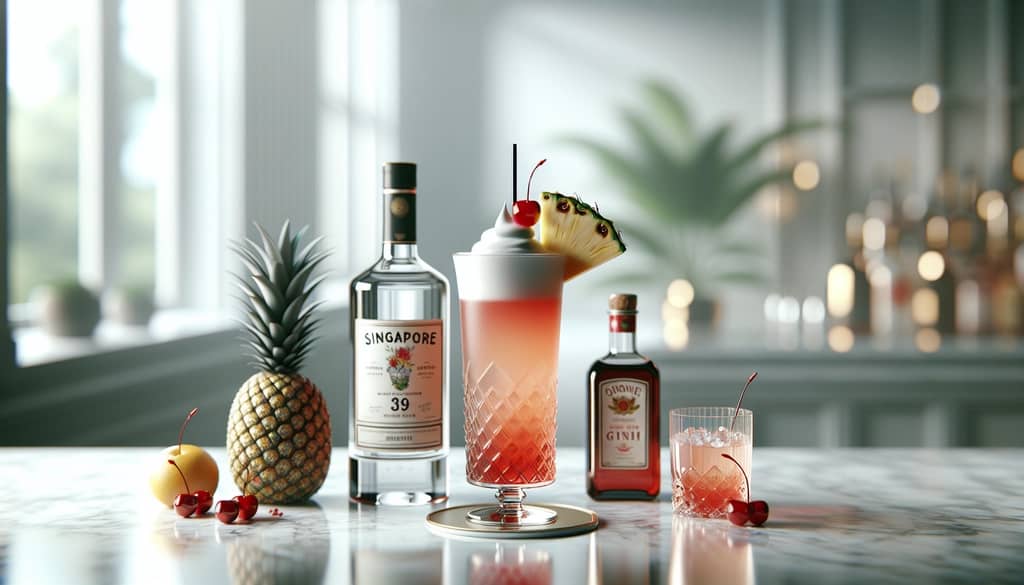
Adapting and Spreading: Global Variations and Modern Twists
As the Singapore Sling journeyed out of Singapore, its recipe adapted to local palates, available spirits, and bartending trends. Some bars simplified it into a blend of gin, sour mix, and cherry-flavored syrup, focusing on speed over balance. Others doubled down on authentic technique, making fresh pineapple juice standard and restoring the herbal and citrus elements lost to time.
- In hotels and luxury bars, the drink is elevated with craft gins, artisanal liqueurs, and house-made syrups.
- In dive bars or tropical beach destinations, shortcuts abound—many use bottled sour mix, red liqueur, and bulk juices, sacrificing complexity for color and speed.
- Some contemporary recipes, referencing early printings or new historical finds, omit Cointreau and Bénédictine altogether, reflecting evolving historical research.
Despite these changes, the real Singapore Sling remains a punchy, aromatic, visually striking drink emblematic of Singapore’s hospitality legacy—a blend of tradition, invention, and ever-changing local taste.
Legacy and Cultural Significance
The Singapore Sling is more than just a drink—it's a living artifact of Singaporean identity and colonial Asia’s hospitality culture. It features on bucket lists of tourists from every continent, immortalized in travel books, film, and global cocktail menus. Every time a bartender shakes fresh pineapple with gin and cherry, they echo a century-old story of adaptation, sophistication, and the enduring magic of the Long Bar.