
Updated on: 6/3/2025

What Is the Best Type of Scotch to Use for a Scotch Sour?
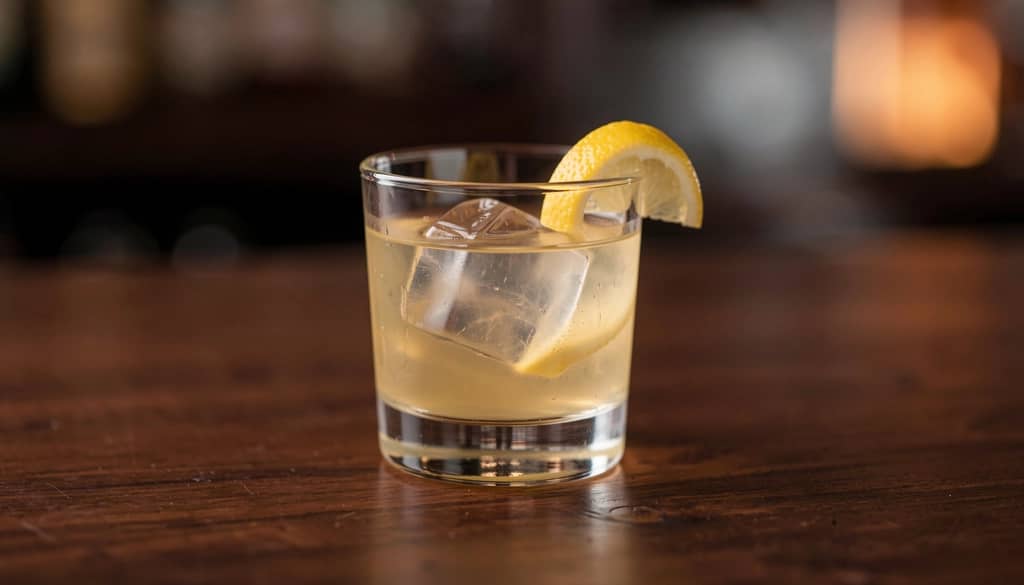
A Scotch Sour balances whisky’s depth with citrus and sweetness, but every Scotch style brings something different to the glass. Understanding the spectrum of Scotch whiskies will help you choose the right bottle to amplify—or reinvent—your cocktail.
How the Scotch You Choose Shapes the Cocktail
Scotch whisky is produced in several styles: blended, single malt, single grain, and blended malt. Within those, characteristics like peat, malting, and region play a major role in the way a Scotch Sour tastes. These flavors influence everything from smokiness and fruitiness to texture and mouthfeel.
Types of Scotch Whisky in a Scotch Sour
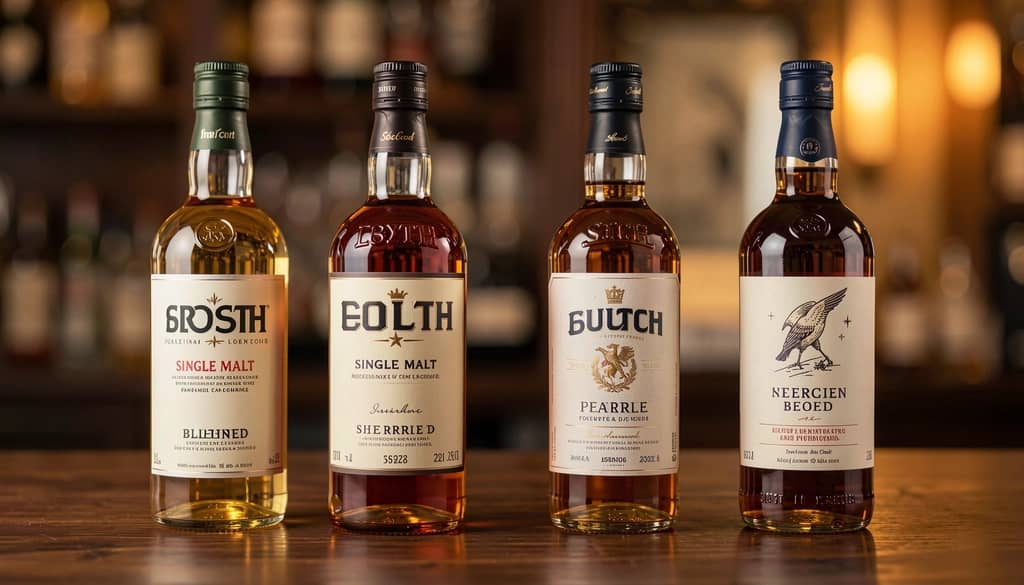
- Blended Scotch: The most versatile option. Blended whiskies combine malt and grain spirits from multiple distilleries, creating a balanced mix of cereal, gentle smoke, and fruit notes. They avoid the extremes of peat or sherried richness, letting the lemon and sugar shine. Johnnie Walker Black Label and Famous Grouse are classic choices for consistency and price.
- Single Malt Scotch: Made at a single distillery from malted barley. These are fuller-bodied, with bolder flavors—think heather, honey, or baked apple, depending on the region. Island and Highland malts bring more power; Speyside malts are fruitier and lighter. Single malts can create a more complex, aromatic Scotch Sour.
- Peated Scotch: Peat gives Scotch a smoky, earthy aroma. Peated whiskies—most famously from Islay—transform a Scotch Sour into something savory and unique. Peat amplifies the contrast of sweet and sour, sometimes adding notes like iodine or sea salt. Try with caution: a little peat goes a long way.
- Sherried Scotch: Some single malts (like those finished in sherry casks) lean into dried fruit and nutty richness, offering a lush, wintery twist on the Sour. The dried fruit notes pair beautifully with the cocktail’s tart citrus.
- Grain Scotch: Lighter, more neutral; rarely used solo in cocktails, but provide a soft canvas if you want the citrus to dominate.
Does Peated Scotch Work in a Whiskey Sour?
A whiskey sour with peated Scotch delivers a smoky, adventurous profile. Peat amplifies the drink’s savory side and adds a campfire nose that splits opinion. For many, using a heavily peated Islay malt (like Laphroaig or Ardbeg) can quickly overpower the balance—so moderation is essential. If you want just a kiss of smoke, try mixing 15 ml of peated whisky with 45 ml of a milder blend for nuance without domination.
- Peated Scotch adds intense smoke and earthy flavor; passionate fans love it, but newcomers may find it alien in the context of a classic sour.
- Blends with a whisper of peat (e.g., Johnnie Walker Black Label) are safer for crowd-pleasing takes.
- Single malt Islay whiskies: For explorers who want a full peat blast that cuts through the sweetness and sourness.
Best Scotch for a Whiskey Sour: Expert Recommendations
If you want balance and approachability, a high-quality blended Scotch is the top choice for most bars and home bartenders. These whiskies stand up well in the mix, keep costs reasonable, and let both the whisky and sour elements sing. For extra flavor, single malts—especially unpeated Highland or Speyside—add complexity and nuance, while peated Scotch is best suited for adventurous palates who crave smoke.
- Best all-around: Johnnie Walker Black Label (45 ml) — subtle peat, rounded malt, affordable, widely available.
- Runner-up blend: Famous Grouse (60 ml) — soft, balanced, malty, a touch of sherry, classic base.
- Best single malt for smoothness: Glenfiddich or Glenmorangie Original (45 ml) — light fruit, honey, almost creamy mouthfeel.
- For peat lovers: Laphroaig 10 Year or Ardbeg 10 (15 ml, blended with 45 ml mild blend) — pronounced smoke, briny edge.
- For a sherried twist: GlenDronach 12 Year (45 ml) — rich raisin and almond notes for a cozy winter sour.
How to Mix a Great Scotch Sour
Aim for balance: the whisky should shine, but never overpower the sour and sweet elements. Adjust the recipe to suit the style of Scotch you’re using—more peat or richness may call for a bit more lemon or syrup. Here’s a classic formula that works with any Scotch style:
- 60 ml Scotch whisky (blended or single malt)
- 22.5 ml fresh lemon juice
- 15 ml simple syrup
- Optional: 15 ml peated Scotch for a smoky accent
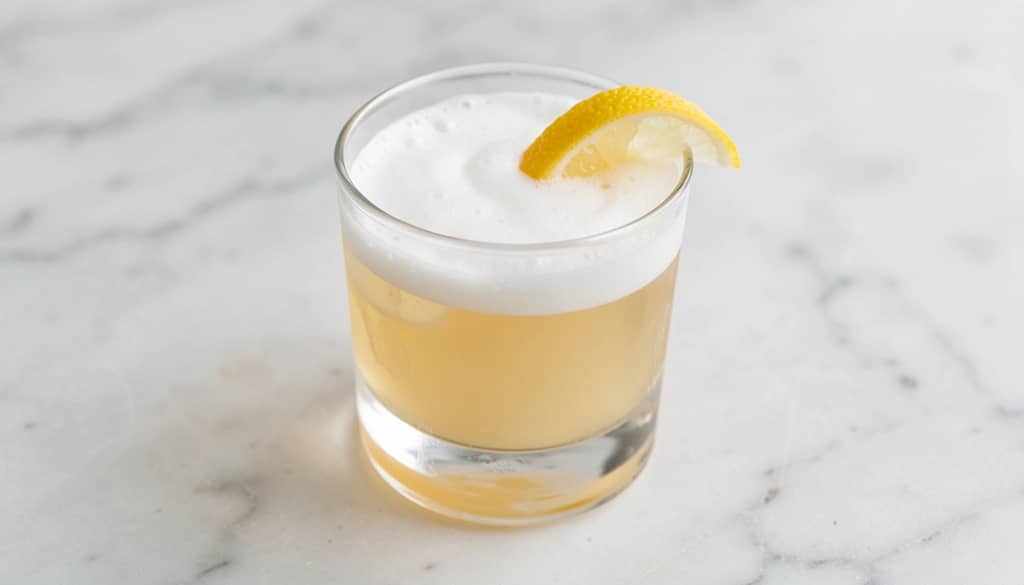
- Optional: 15 ml egg white (for silky texture and a foamy head)
- Add all ingredients to a cocktail shaker. If using egg white, dry shake (no ice) first for 15 seconds.
- Add ice and shake hard for 10–12 seconds.
- Strain into a chilled rocks or old fashioned glass over ice.
- Garnish with a lemon twist or cherry.
Final Thoughts: Choose Scotch to Match Your Mood
The best Scotch for a whiskey sour depends on your palate and sense of adventure. For an easy-drinking classic, pick a good blended Scotch. If you crave big flavors, try a fruity or sherried single malt. If you’re drawn to boldness, add a splash of peated malt and see how smoke transforms the experience. With the right base, a Scotch Sour can be comforting, bracing, classic, or challenging—all in one glass.