
Updated on: 6/3/2025

Can Cognac Be Substituted Without Compromising the Cocktail?

Cognac is celebrated for its smooth, complex profile built on fruity, floral, nutty, and spicy notes. Its luxurious mouthfeel makes it the backbone of classic cocktails like the Sidecar and Vieux Carré. Still, flexibility is sometimes necessary behind the bar—whether due to availability or experimenting with flavor. Can you swap Cognac in a cocktail and keep the spirit of the drink intact?
Understanding Cognac’s Unique Qualities
Cognac is a protected brandy, made from specific grapes and distilled in the Cognac region of France. Its aging process in French oak barrels gives it depth, subtle vanilla undertones, and a round finish. These qualities create a signature taste in cocktails:
- Fruit: dried apricot, citrus, and apple
- Spice: cinnamon, nutmeg, white pepper
- Floral and nutty: violets, almonds, hazelnut
- A smooth, velvety palate
Common Cognac Substitutes (and How They Compare)
If a recipe calls for Cognac and you don’t have it, select an alternative that matches body, sweetness, and subtlety as closely as possible. Here are popular options, listed with their main characteristics in cocktails:
- Other French brandy: Often the closest match, though typically less nuanced. Look for grape-based brandies aged in oak for depth.
- American or Spanish brandy: Offers body and warmth but might taste a bit rougher or fruitier.
- Armagnac: From Gascony, France; more rustic, with pronounced earthy or spicy notes and fuller character.
- Bourbon or rye whiskey: Adds caramel and vanilla, but with a grain backbone and extra robustness; transforms the cocktail’s personality.
- Calvados: French apple brandy; lends fresh, slightly tart apple notes for an autumnal twist.
Substitution works best in cocktails with bold modifiers—think Cointreau, citrus, vermouth, or bitters—where those dominant flavors mask subtle differences in the base spirit.
Effects on Taste, Texture, and Balance
- Using non-Cognac brandy preserves the drink's fruity backbone and gentle sweetness.
- Choosing bourbon or rye creates a noticeably sharper flavor, more vanilla, oak, and spice, with a drier finish.
- Apple or pear brandies (like Calvados) introduce tartness and lightness, which suit certain citrus-forward cocktails.
- Texture can shift—Cognac's plush body is hard to mimic exactly, but high-quality aged brandy comes close.
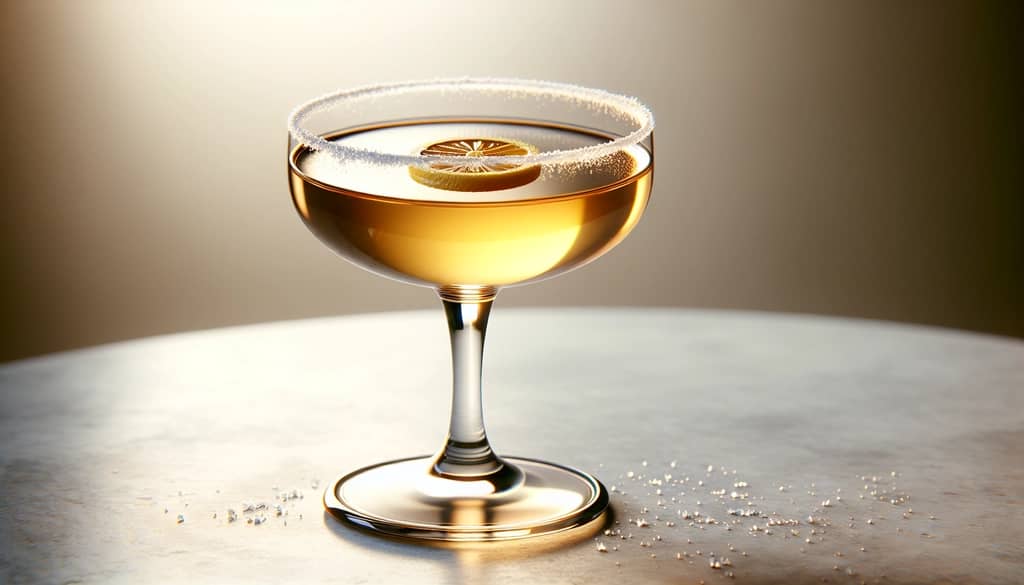
When Substitution Works—and When It Doesn't
- Substitute Cognac with a good-quality brandy if you want to preserve the drink’s elegance and balance.
- For robust or whiskey-forward drinks, bourbon is a creative switch but will change both nose and finish.
- Avoid flavored or low-quality spirits—they skew the structure and can overpower modifiers.
If the cocktail’s intended flavor is reliant on Cognac’s subtlety and aged character, every substitute brings a new interpretation. Experiment, but recognize that even the closest stand-ins alter the drink’s signature style.
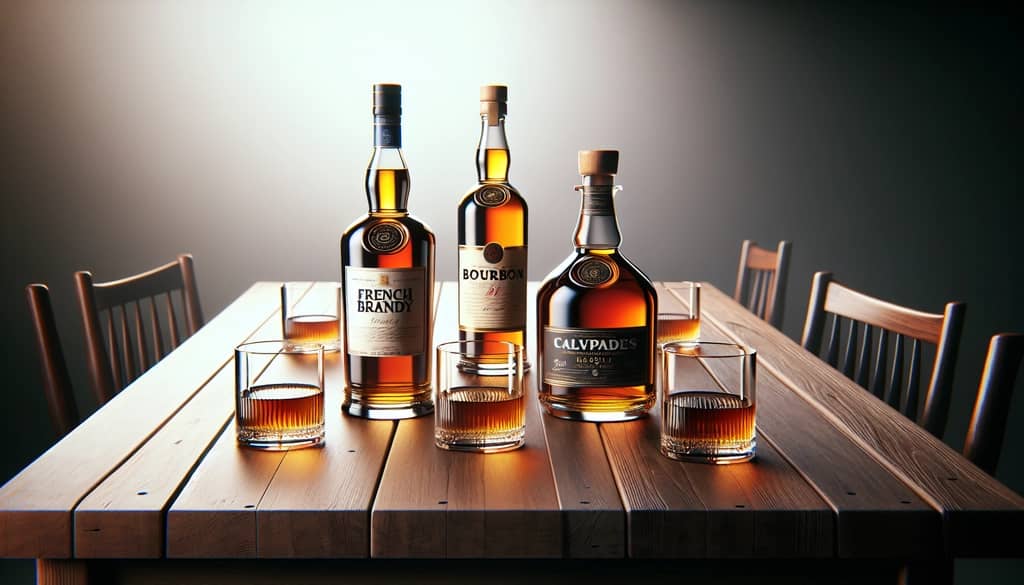
Quick Guide: Substituting Cognac in Classic Cocktails
- Sidecar: Use French brandy, then consider bourbon for a spicier version.
- Vieux Carré: Rye or bourbon for a bold, whiskey-heavy twist.
- French 75: Try Calvados for a lighter, fruity lift.
Ultimately, Cognac can be substituted with another spirit, but expect that the cocktail’s character and subtlety will shift along with the base. Some recipes welcome the adventure; others hinge on Cognac’s signature elegance.