
Updated on: 6/3/2025

Can Gin Be Substituted With Another Spirit Without Compromising the Cocktail?
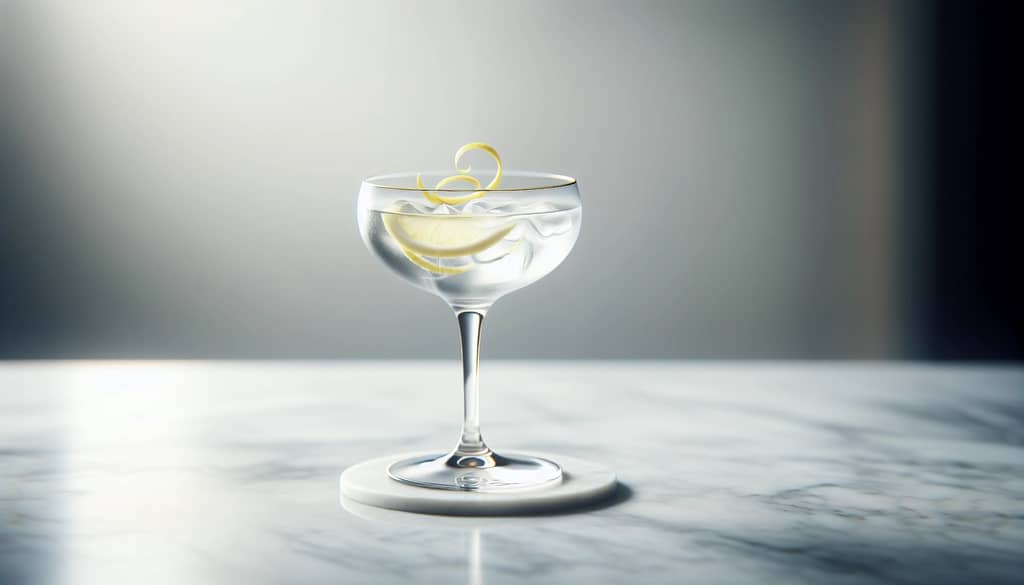
Swapping out gin in a cocktail often sparks debate among bartenders and enthusiasts, especially when it comes to preserving the drink’s intended character. Gin is defined by its signature botanicals: juniper, citrus peel, coriander, and other aromatic herbs and spices. These flavors aren’t just accents—they’re the heart of what makes gin-based classics stand apart.
What Happens When You Replace Gin?
Substituting gin with another spirit inevitably alters the flavor profile. The result depends on which spirit you choose:
- Vodka is a common alternative. It brings a clean, neutral character—so your cocktail’s other ingredients can shine, but you lose gin’s botanical complexity.
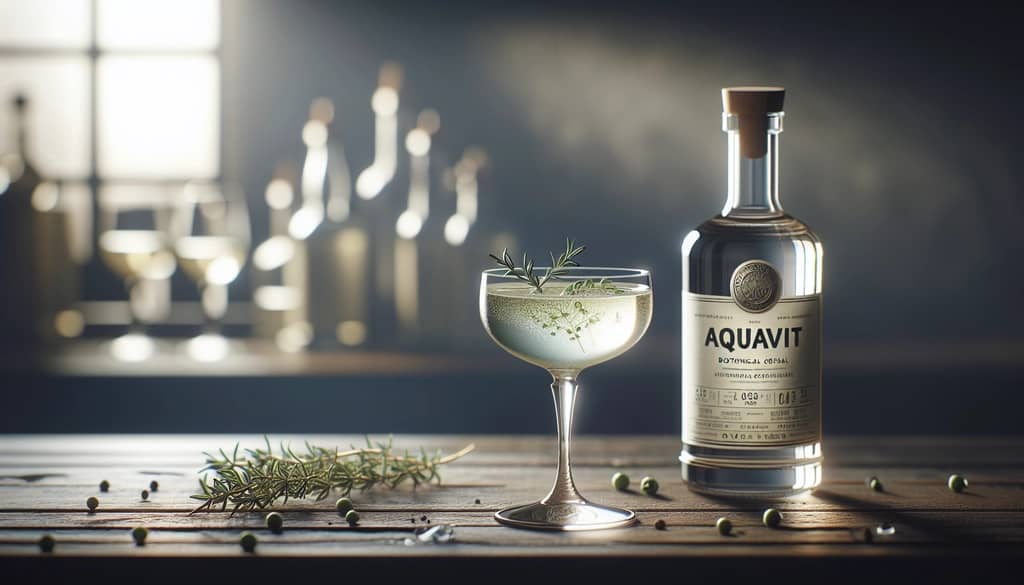
- Aquavit offers a more aromatic substitute, with caraway, dill, and spice notes. It won’t mimic gin exactly, but it keeps a botanical thread.
- Tequila and rum create wild departures, transforming classics like the Negroni or Martini into modern riffs rather than direct replacements.
How to Sub It—Choices and Effects
- If you value a neutral foundation for fresh citrus and syrups, vodka can sub for gin, producing a lighter, milder drink.
- For a variation with herbal presence, reach for aquavit: its earthy botanicals echo gin’s complexity without being an outright clone.
- Other replacements (like white rum or blanco tequila) completely reimagine the drink—the structure may stay, but flavor and character shift dramatically.
For example, swapping gin for 60 ml vodka in a Tom Collins yields a Collins-style cocktail with a lighter aroma and softer palate. Using 60 ml aquavit turns the drink savory and spicy, playing off the lemon and sugar in new ways.
Which Spirits Mimic Gin’s Botanicals Best?
- Aquavit: caraway and herbal tones make it the closest match if gin is unavailable.
- Herbal eaux-de-vie (like grape-based Génépi): rare, but offer floral and aromatic notes.
- Genever (Dutch juniper spirit): maltier than modern gin, but shares a botanical base.
Cognac, whiskey, or mezcal introduce bold, dominant characters—making for adventurous twists, not true replacements for gin’s signature role.
Bottom Line: What’s Compromised, What’s Gained?
- Swapping gin for another spirit always alters the drink’s DNA. A classic cocktail with vodka or aquavit is no longer the original, though it might be delicious in its own right.
- If you simply want the closest flavor match, reach for another aromatic spirit—not a plain base.
- For a fresh riff or to accommodate personal preference, experiment—just don’t expect other spirits to truly capture gin’s botanicals.