Updated on: 6/3/2025

Can I Substitute One Base Spirit for Another in a Cocktail Recipe?
Whether you’re out of a certain bottle or just curious about flavor, swapping the key spirit in a cocktail recipe is tempting. The results, however, aren’t always as straightforward as pouring rum instead of gin or tequila in place of whiskey. Understanding what changes—and what doesn’t—can help you make smart substitutions that still result in delicious drinks.
What Is a Base Spirit?
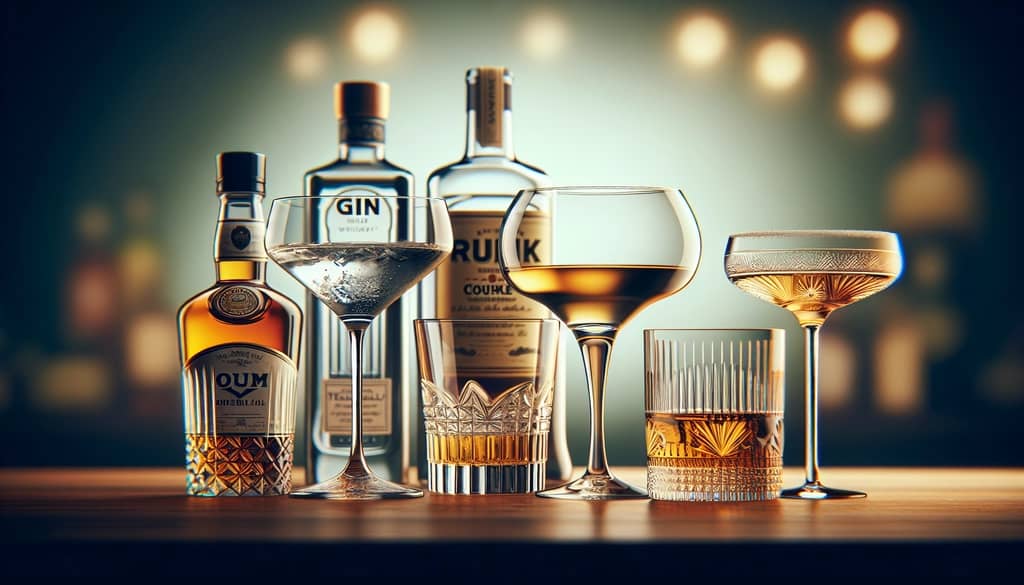
The base spirit is the main alcoholic ingredient in a cocktail—think vodka in a Moscow Mule, gin in a Martini, or whiskey in an Old Fashioned. Its character shapes both the flavor and structure of the entire drink. Classic base spirits include gin, rum, whiskey, tequila, brandy, and vodka.
What Happens When You Substitute a Base Spirit?
- The primary flavor changes: Each spirit brings different aromas, body, and finish. Gin’s herbal notes contrast with the smoky or spicy tones of rye whiskey, for example.
- Strength and sweetness may shift: Some spirits are softer (vodka) while others are rich or assertive (aged rum, reposado tequila).
- The cocktail family might change entirely: A Whiskey Sour with rum becomes a Daiquiri. Swap gin for tequila in a Negroni—now you’ve got a “Tegroni” or Agavoni, with new flavors.
- Balance of citrus, sugar, or bitters may need adjusting: Citrus-forward gin cocktails may need extra sweetness when swapped with tequila or whiskey.
When Substitution Works—and When It Doesn’t
- Try “template” cocktails: Sours (spirit + citrus + sugar) and highballs often adapt well. A classic Daiquiri (60 ml rum, 22.5 ml fresh lime juice, 15 ml simple syrup) can be made with gin or tequila—the result is delicious, but different.
- Spirit-forward, bitter, or delicate cocktails are less forgiving: Martinis and Old Fashioneds highlight the spirit’s nuances; swapping here produces a drastically new creation.
- Herbal, botanical, and heavily aged spirits interact with modifiers in unique ways—bitters in a Manhattan or Campari in a Negroni play differently with rum than with gin or whiskey.
How to Substitute Base Spirits for Best Results
- Stick to similar styles: Try swapping clear spirits for clear (vodka for gin), or aged for aged (bourbon for reposado tequila).
- Adjust citrus and sweetness: A more robust spirit may call for extra syrup or a touch more lemon or lime.
- Start with classic substitutions: For example, bourbon for rye whiskey in a Manhattan, or silver tequila for gin in a Tom Collins template.
- Taste before serving: Mix a small batch and adjust ingredient ratios for balance.
There’s no harm in experimenting with substitutions. At worst, you learn; at best, you discover a new favorite recipe. Consulting with a seasoned bartender can provide tried-and-true swaps or suggest entirely new flavor pairings.
Expert Tips for Substitution Success
- Note bitterness and botanicals: Gin imparts florals and juniper; tequila introduces earth and pepper. Swap accordingly.
- Rum’s range is immense: White, gold, and dark rums each offer different results if used where another base spirit was called for.
- Consider the intended mood: Light spirits favor refreshing cocktails; aged spirits support deeper, richer, or stirred classics.
A simple swap of one base spirit for another can reinvent a cocktail or clash entirely with the original flavor profile. Think of recipes as starting points—feel free to experiment, but adjust for balance and taste as you go.