
Updated on: 6/3/2025

Can I Use Orange Liqueur in Cooking?
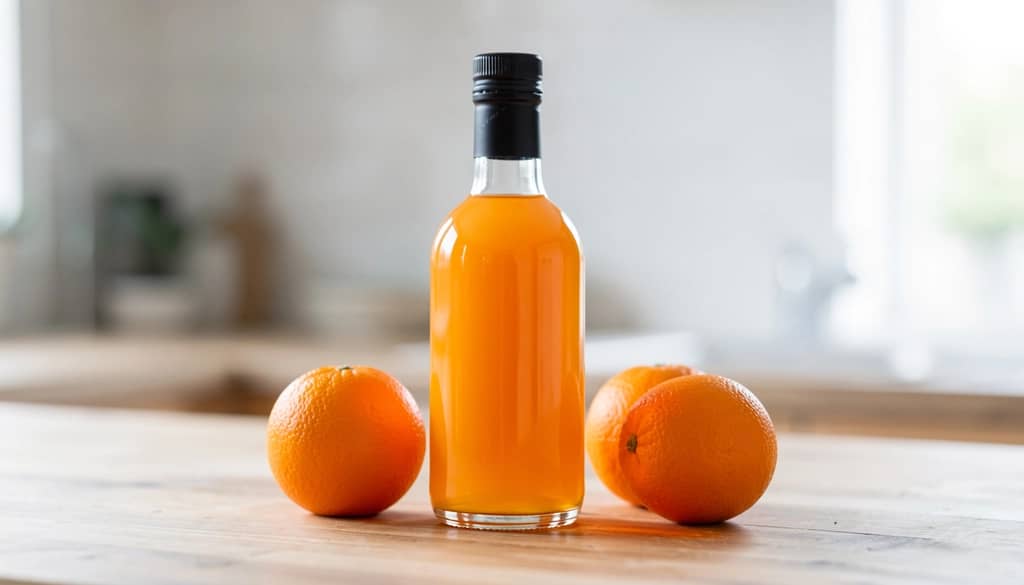
Orange liqueur brings a bright, complex citrus note to both sweet and savory dishes. Bartenders swear by brands like Cointreau, Grand Marnier, or triple sec for cocktails, but these bottles belong in the kitchen just as much as the bar.
How Orange Liqueur Works in Cooking
Orange liqueur enhances recipes by providing vibrant aroma, subtle sweetness, and a gentle alcoholic lift. The alcohol generally evaporates during cooking or baking, infusing only the orange essence and supporting flavors, rather than boozy intensity. Its citrus profile cuts through richness and highlights fruit, caramel, spice, and chocolate.
Best Uses for Orange Liqueur in Recipes
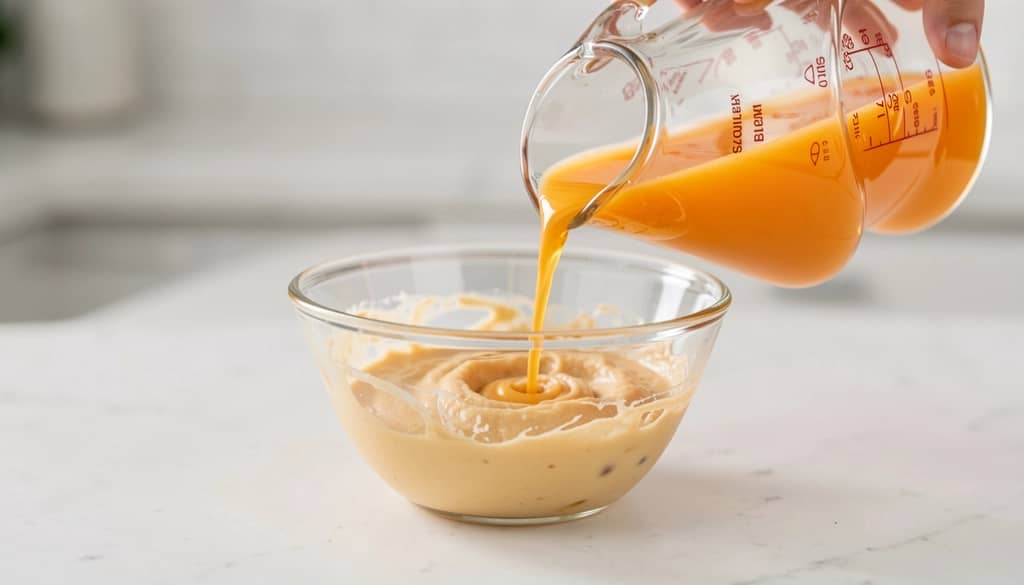
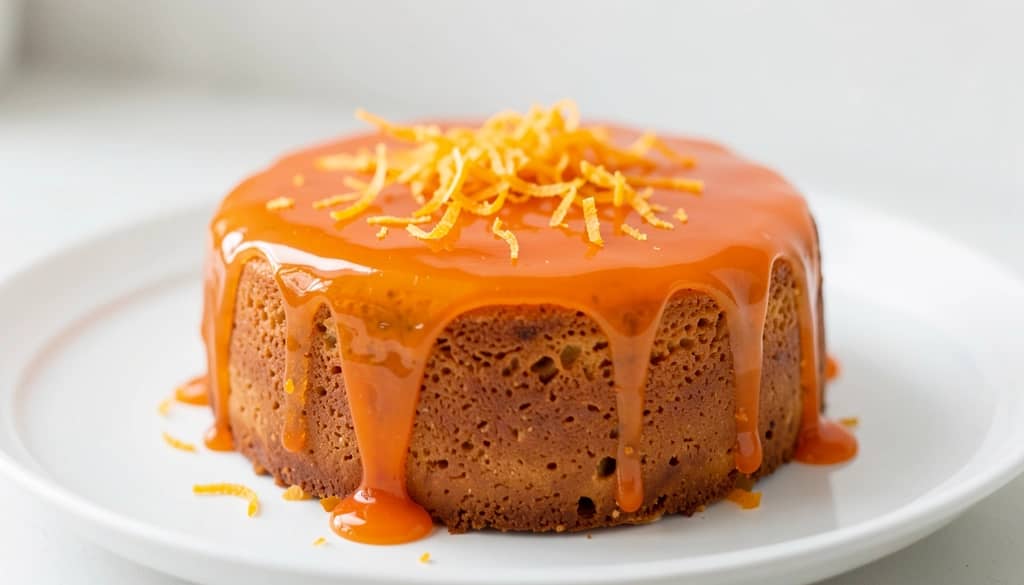
- Desserts: A splash of orange liqueur deepens the flavor of cakes, tarts, cookies, and classic sauces (like in a Grand Marnier soufflé or Crepes Suzette). Try adding 15–30 ml to batters, custards, compotes, or glazes for sophistication and aroma.
- Sauces and syrups: Use orange liqueur to deglaze a pan, finish a sauce for duck or chicken, or add zip to fruit compotes. Reduce over heat to mellow the bite, using 15–45 ml for typical sauces.
- Marinades: For pork, chicken, or seafood, work in 15–30 ml orange liqueur with olive oil, herbs, and citrus juice. It subtly breaks down protein and injects brightness.
- Salad dressings: Whisk in 5–10 ml orange liqueur for aromatic lift in vinaigrettes, especially those with honey, mustard, or warm spices.
Tips for Cooking and Baking with Orange Liqueur
- Start with a small amount—it's easy to add more, but hard to balance if overdone. 5–15 ml is enough for most baked goods or infusions.
- Alcohol evaporates above 78°C, so most cooked dishes will retain only flavor, not spirit.
- Add orange liqueur to cold batters or creams for punch, or flame it for dramatic table-side moments—just be mindful of fire safety.
- Use high-quality liqueurs: Their natural citrus oils and balanced sweetness stand up better than artificially flavored alternatives.
Flavor Pairings and Substitutions
Orange liqueur complements vanilla, chocolate, almond, ginger, cinnamon, and most stone or tropical fruits. Grand Marnier and Cointreau have subtle differences: Grand Marnier is richer; Cointreau is leaner and zesty. If orange liqueur isn't available, substitute with 15 ml orange juice and 5 ml zest for each 15 ml liqueur—though the result is less nuanced.
Bottom Line: Yes, Use Orange Liqueur!
Orange liqueur is not just for the shaker—its fresh, versatile citrus character brightens desserts, sauces, and marinades. Adding it thoughtfully to cooking unlocks flavor with a touch of indulgence.