
Written by: Olivia Bennett
Updated on: 6/3/2025
Updated on: 6/3/2025
Favourite
Share
How Do I Choose the Right Syrup for My Cocktail?
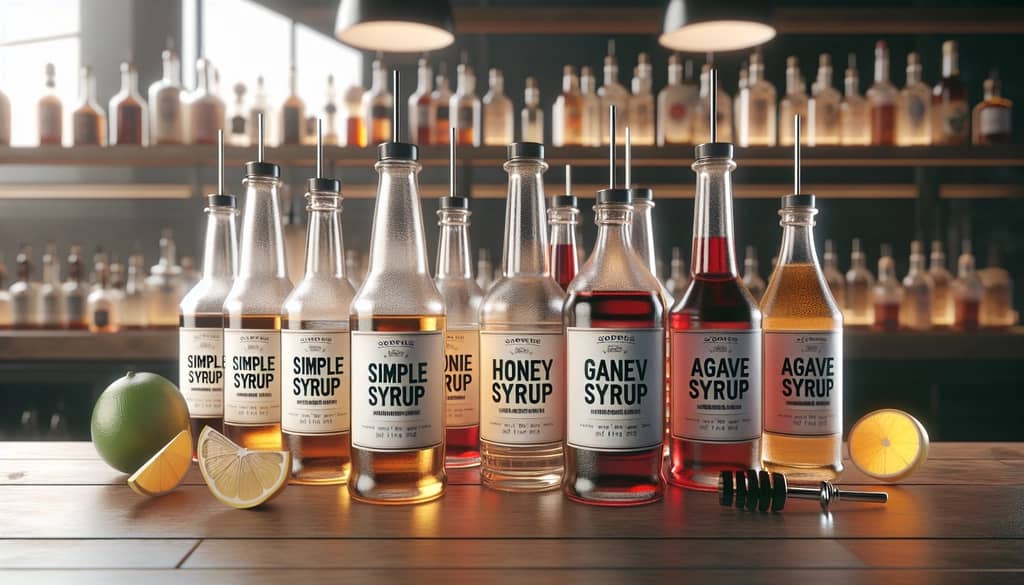
Landing on the perfect syrup can lift a cocktail from ordinary to unforgettable. Syrups don’t just add sweetness—they carry flavor, balance acidity, and sometimes introduce a bold twist. The key lies in understanding how each syrup interacts with your chosen spirits, fruits, and aromatics.
Core Syrup Types and Their Roles
- Simple Syrup (classic): Made from equal parts sugar and water. Offers clean, neutral sweetness and dissolves easily—ideal for nearly any cocktail base.
- Rich Simple Syrup: Two parts sugar to one part water. Thicker, with a silkier mouthfeel—great for stirred drinks or when a little goes a long way.
- Honey Syrup: Delivers floral, earthy notes. Best for whiskey or gin sours, but thinner syrup (diluted with water) blends better and avoids graininess.
- Agave Syrup: Mild, slightly vegetal and honey-like. Beautiful in tequila-based cocktails or those needing subtle sweetness.
- Grenadine: Pomegranate-based, fruity and tart. Adds color and a touch of brightness—think classic tequila sunrise or a Shirley Temple twist.
- Flavored Syrups: Vanilla, ginger, cinnamon, or fruit syrups can completely shift the cocktail’s tone—use for creative spins or to echo a key ingredient.
How to Match Syrup to Your Drink’s Character
- Spirit-Forward Drinks (e.g., Old Fashioned): Rich syrups (like honey or demerara) can soften the intensity and add texture without masking the underlying spirit.
- Light, Citrusy Cocktails (e.g., Daiquiri, Whiskey Sour): Go for a basic simple syrup for clean balance, or try a subtle flavored syrup (like ginger) to introduce complexity.
- Tropical or Fruity Cocktails: Grenadine or passionfruit syrup amplify vibrance and color, while coconut or orgeat (almond) syrup add creamy depth.
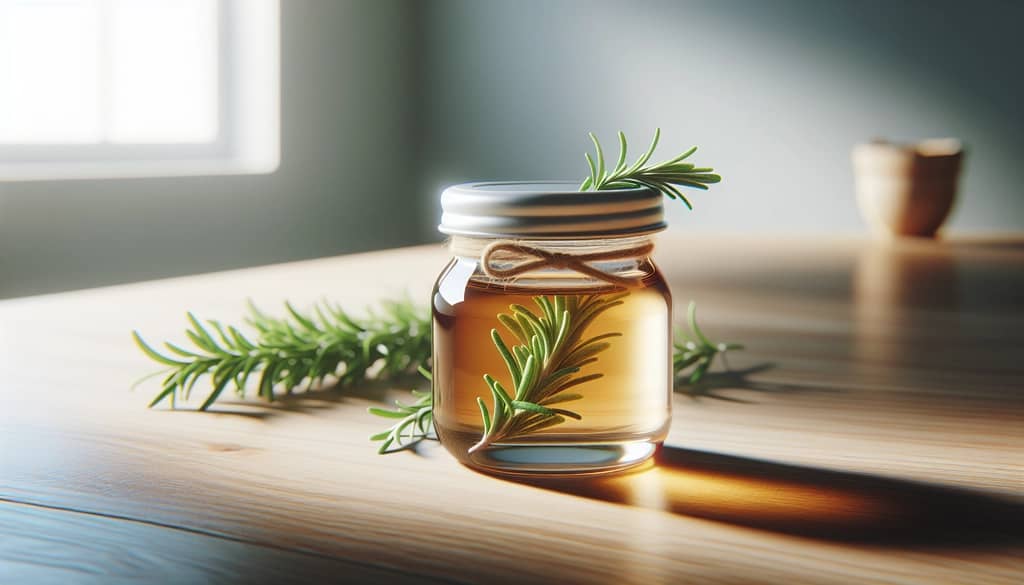
- Herbal or Spiced Cocktails: Syrups infused with rosemary, cinnamon, or cardamom accentuate botanical notes—use them thoughtfully so as not to overpower.
Ask yourself: What do I want the syrup to do? Sweeten quietly, reinforce a flavor, or add a complementary accent? The answer points you toward your ideal syrup.
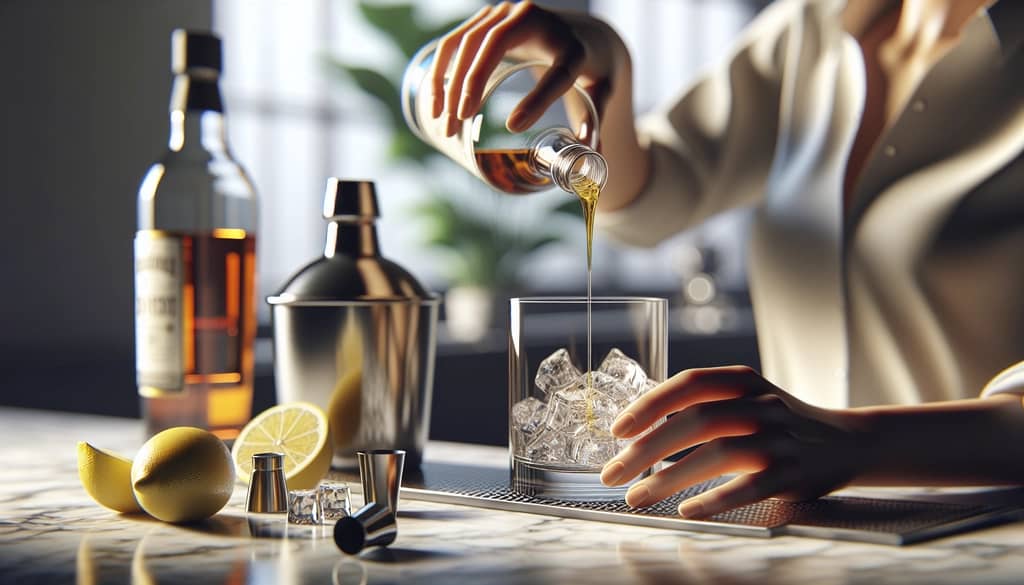
Practical Tips for Choosing the Right Syrup
- Review ingredient lists: If your recipe contains fruit juices or liqueurs, pick a syrup that won’t clash—neutral for flexibility, flavored if you want a highlight.
- Control sweetness: Use rich syrups sparingly to dial in exact sweetness without diluting the drink.
- Try small batches: Experiment with 10 ml at a time and taste as you go. Sometimes a fusion of two syrups (like honey plus ginger) gives the best result.
- Watch for mouthfeel: Some syrups thicken a drink (honey, orgeat), while others keep it crisp and light.
- Homemade syrups offer fresher flavor and let you customize intensity or spice to match your cocktail vision.
Quick-Reference: Classic Pairings for Common Cocktails
- Margarita: 15 ml agave syrup blends into tequila and lime for roundness.
- Whiskey Sour: 22.5 ml simple syrup lets the whiskey and citrus shine.
- Mai Tai: 15 ml orgeat adds almond richness; 7.5 ml simple syrup for balance.
- Tom Collins: 22.5 ml simple syrup for a fresh, long gin cooler.
- Tequila Sunrise: 15 ml grenadine for vibrant color and tart-fruit flavor.
The right syrup is never just about sweetness—it’s a way to tune the flavor, aroma, and mood of your cocktail. Matching with intention leads to drinks that taste cohesive and memorable.