
Updated on: 6/3/2025

Cranberry Bog Martini: History, Recipes & Significance
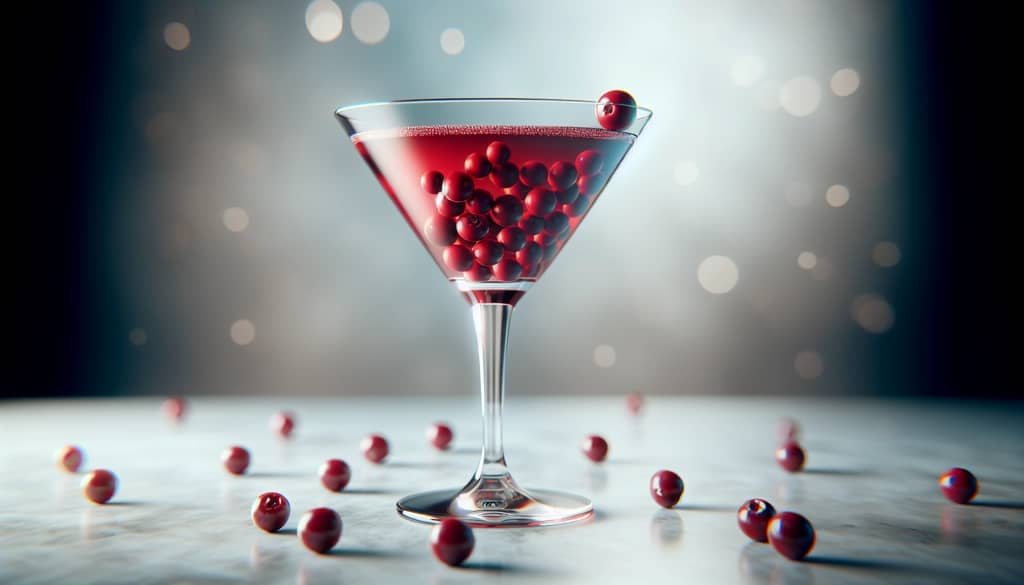
The cranberry bog martini captures a unique blend of New England tradition and contemporary cocktail craft. Famed for its deep red hue and balance between tart and sweet, this drink rose to fame in coastal Massachusetts thanks to Legal Sea Foods and other regional restaurants. Its name pays tribute to the cranberry bogs dotting the local landscape—an essential source of American cranberries and a symbol of autumn harvest.
Origins of the Cranberry Bog Martini
Emerging in New England bars in the early 2000s, the cranberry bog martini was developed as a way to showcase locally produced cranberry products. Legal Sea Foods, a renowned Boston-based seafood restaurant group, popularized their own version, especially on Thanksgiving and during the fall. The cocktail quickly traveled beyond the region, boosting interest in tart cranberry flavors in mixology.
Classic Cranberry Bog Martini Recipe
At its core, the cranberry bog martini combines vodka and cranberry liqueur or juice, accented with orange and a touch of lemon. Balance is vital: the drink should have just enough tartness to shine without overwhelming its smooth finish. Here is a classic take, showcasing the vibrant, refreshing profile that first captivated Boston diners.
- 45 ml vodka
- 30 ml cranberry liqueur (or unsweetened cranberry juice for a tarter version)
- 15 ml Cointreau or triple sec
- 15 ml fresh lemon juice
- 5 ml simple syrup (adjust to taste)
- Fresh cranberries, for garnish
- Chill a martini glass with ice water or in the freezer.
- Add vodka, cranberry liqueur or juice, Cointreau, lemon juice, and simple syrup to a shaker filled with ice.
- Shake vigorously for 10–15 seconds until well chilled.
- Strain into the chilled martini glass.
- Float a few fresh cranberries on the surface for garnish.
Legal Sea Foods Cranberry Bog Martini: Signature Recipe
Legal Sea Foods helped define the cranberry bog martini with a distinctive approach, preferring a harmonious blend of tartness and citrus brightness. Their signature recipe keeps the drink approachable and slightly sweet, making it ideal as a pre-dinner aperitif.
- 45 ml vodka
- 45 ml unsweetened cranberry juice
- 15 ml Cointreau
- 15 ml fresh lemon juice
- 10 ml simple syrup
- Fresh cranberries and an orange twist, for garnish
- Combine vodka, cranberry juice, Cointreau, lemon juice, and simple syrup in a shaker filled with ice.
- Shake briskly until the tin feels icy cold.
- Strain into a chilled martini glass.
- Garnish with a few fresh cranberries and an orange twist.

Preparation Tips & Substitutions
- Use high-quality vodka for a clean base that highlights cranberry’s crispness.
- Adjust syrup quantity to match your preferred balance of sweetness and acidity.
- Substitute triple sec for Cointreau if a drier orange profile is preferred.
- Try local cranberry liqueurs for an authentic New England flavor or swap in pomegranate juice for a deeper red color and more earthy tartness.
- Finish with an expressed orange peel to add a gentle citrus aroma right before serving.
Cultural Significance of the Cranberry Bog Martini
This martini holds a celebrated place in New England’s seasonal rituals and holiday feasts. Cranberries have deep agricultural roots in Massachusetts and the North, traditionally harvested from late September through November. The drink’s popularity peaks during autumn, when its color and flavor echo both fall foliage and the Thanksgiving table. Beyond its regional roots, it stands as an example of how local ingredients can inspire modern cocktail culture.

Serving and Pairing Suggestions
- Serve well-chilled in a classic martini glass for maximum visual impact.
- Pair with shellfish, light seafood starters, or aged cheeses to complement the drink’s tartness.
- Finish with a festive garnish, such as an edible flower, for special occasions.