
Updated on: 6/3/2025

Are Creamy Cocktails Suitable for Lactose-Intolerant Individuals?
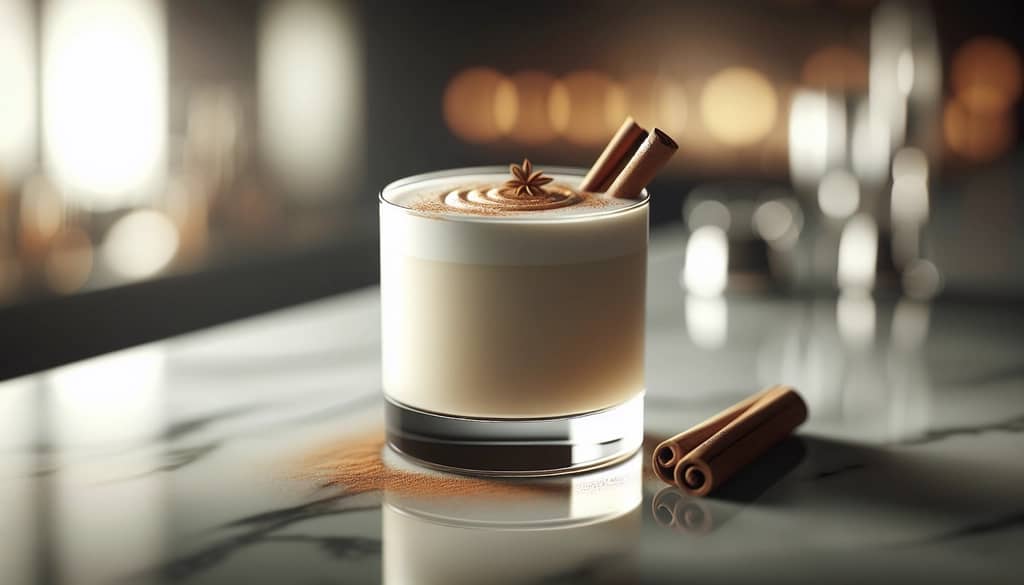
Creamy cocktails are a favorite for their luxurious mouthfeel and rich flavors. Classics like the White Russian or Brandy Alexander are crowd-pleasers, but most traditional recipes use cream, milk, or other dairy products. For those with lactose intolerance, drinking such cocktails can cause discomfort unless the ingredients are carefully chosen.
What Makes a Cocktail Creamy?
A creamy cocktail typically draws its silky body from dairy ingredients like cream, milk, or condensed milk. Some recipes also use eggs (as in flips or eggnog), but the dairy component is usually responsible for lactose content.
Sources of Lactose in Creamy Cocktails
- Regular dairy cream (single, double, or heavy cream)
- Whole, skim, or condensed milk
- Irish cream liqueurs (e.g., Baileys)
- Ice cream (in dessert cocktails or boozy shakes)
Lactose is the natural sugar in milk and its derivatives. Unless labeled otherwise, any use of cream or milk in a cocktail means lactose is present.
Lactose-Free Alternatives for Creamy Cocktails
Lactose intolerance doesn’t mean creamy cocktails are off-limits. Many substitutions deliver a similar texture and flavor profile without causing issues:
- Coconut milk or coconut cream – adds body and a subtle nutty sweetness.
- Almond milk – thinner than cream, but a splash of almond creamier variants or almond-based liqueur gives richness.
- Oat milk – often gives a silky texture and mild flavor that's neutral in most recipes.
- Lactose-free cow’s milk or cream – made by adding lactase enzyme; flavor and texture nearly identical to regular dairy.
- Soy milk or soy cream – works well in shaken drinks where some frothiness is desired.
Experiment with your preferred non-dairy base to adapt classic recipes. Some alternatives add distinct flavor notes—coconut and almond are most pronounced—while others, like oat and lactose-free dairy, are more neutral.
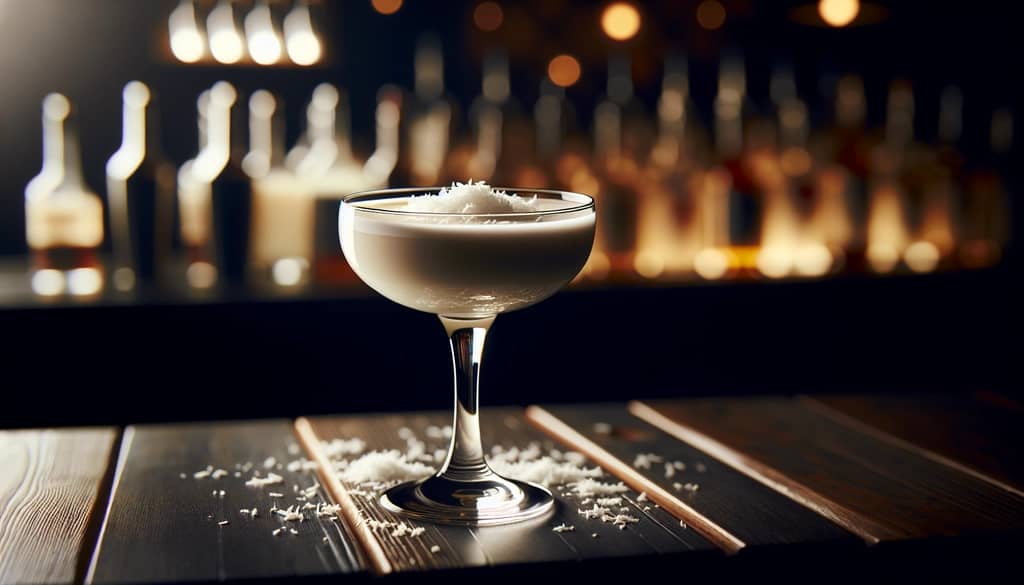
Practical Tips for Ordering or Making Lactose-Free Creamy Cocktails
- Always check with the bartender or server about the specific ingredients—recipes and house practices vary.
- Request dairy-free or lactose-free substitutions; most bars have non-dairy milk on hand, especially in venues with a coffee program.
- For liqueurs, inspect the bottle or ask for allergen info—many cream liqueurs use real dairy, but some offer vegan or lactose-free versions.
- When making cocktails at home, experiment with your favorite dairy alternative and adjust sweetness or thickness as needed.
Lactose-Free White Russian Recipe
This classic is easy to adapt. The result is just as smooth, rich, and satisfying.
- 45 ml vodka
- 30 ml coffee liqueur (like Kahlúa)
- 30 ml coconut milk (or substitute almond or oat milk)
- Ice cubes
- Fill a rocks glass with fresh ice.
- Pour in vodka and coffee liqueur.
- Top with 30 ml coconut milk. Leave unstirred for a layered effect, or stir to combine for a smooth look.

Key Takeaways: Creamy Cocktails & Lactose Intolerance
- Traditional creamy cocktails are not suitable for lactose-intolerant individuals unless specifically made with non-dairy or lactose-free ingredients.
- Ask about ingredients at bars and request substitutions when needed.
- Home bartenders can easily adapt recipes with coconut, almond, oat, or lactose-free dairy alternatives.