
Written by: Lucas Anderson
Updated on: 6/3/2025
Updated on: 6/3/2025
Favourite
Share
What's the Difference Between Red Wine and White Wine?
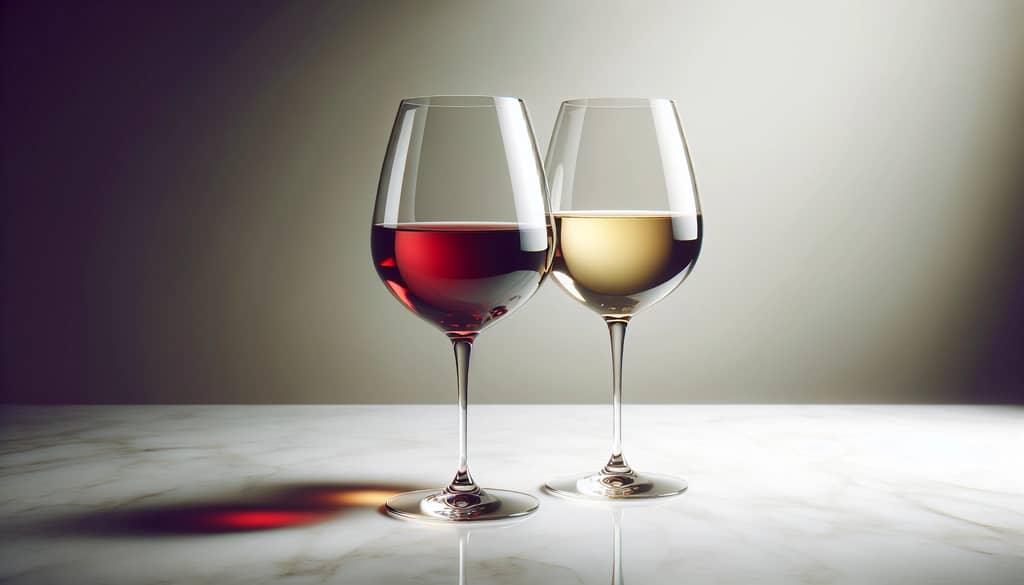
Red wine and white wine both originate from grapes, but the way they're made sets them apart dramatically. Understanding these differences unlocks a world of flavor, pairing options, and even storage strategies for both home drinkers and professionals.
Key Differences in Production
- Red wine is made by fermenting grape juice with the grape skins, seeds, and sometimes stems. This process extracts color, tannins, and a deeper structure.
- White wine is usually made by pressing grapes and then fermenting the juice alone — the skins and seeds are removed quickly, minimizing color and tannin extraction.
- Even if white wine comes from red or dark-skinned grapes, the limited skin contact keeps the result pale.
How Grape Skins Impact Wine
It all comes down to the grape skins. Red wines gain their color, tannic structure, and complex phenolic compounds from spending time with the skins — sometimes weeks during fermentation. In contrast, white wines ferment without skins, leading to a lighter body, fresher flavors, and less pronounced texture.
- Red wines have noticeable tannins, which create sensation and structure on the palate.
- White wines feel lighter, crisper, and deliver more acidity-driven refreshment.
- The deeper color and texture in red wine come directly from skin contact, not just the type of grape.

Flavor and Aroma: A Different Experience
- Red wine tends to be bold, with flavors ranging from ripe berries and cherries to spice, earth, and oak notes.
- White wines are fresher, often showcasing citrus, apple, pear, stone fruit, or floral notes.
- Tannins in red wine contribute a drying feeling; higher acidity in white wine brings a zesty edge.
Serving and Pairing Tips
- Red wine generally benefits from slightly warmer serving temperatures (10–18°C) to reveal aroma and smooth out tannins.
- White wines shine when served chilled (6–12°C), highlighting brightness and refreshing character.
- Heavier red wines pair well with robust dishes like grilled meats, while white wines complement seafood, poultry, and lighter fare.
Summary Table: Red Wine vs. White Wine
- Red wine: fermented with skins, deep color, tannic, often bold and complex.
- White wine: skins removed, pale in color, crisp, lighter in body, and usually more acidic.
- Pairing, storage, and glassware choices also differ based on wine style.