
Updated on: 6/3/2025

Different Types of Port Wine
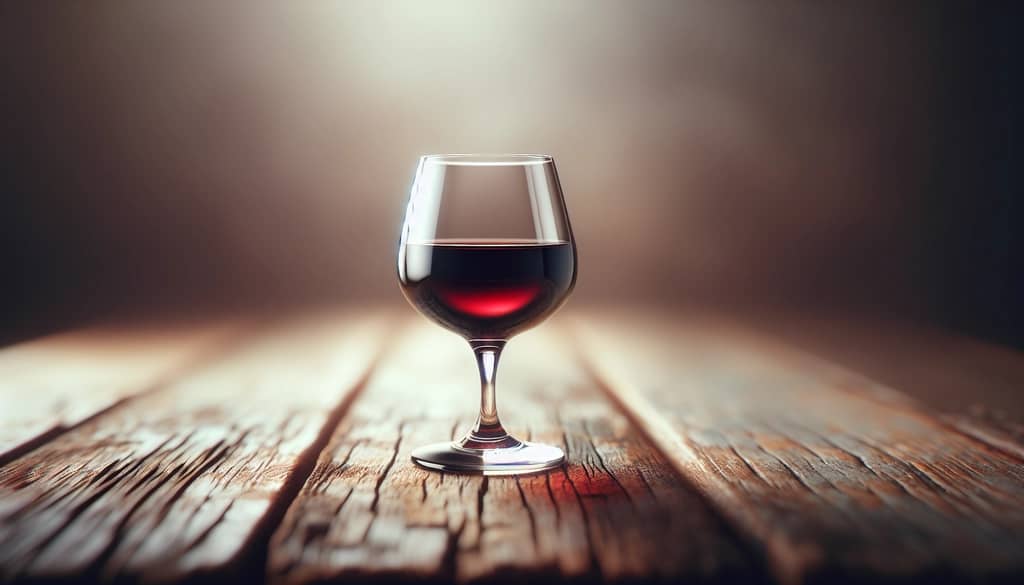
Port wine offers a unique range of flavors, styles, and aging techniques. From rich and deeply fruited selections to light and aromatic pours, there’s a style designed to suit any palate or cocktail application. Understanding the categories will help you choose the ideal Port, whether sipping neat or mixing.
Ruby Port: Youthful and Fruit-Forward
Ruby Port is instantly recognizable for its deep crimson color and assertive berry notes. It’s typically aged for just a few years in large tanks, preserving both its vibrant hue and primary flavors.
- Displays strong flavors of fresh cherry, plum, and raspberry.
- Best enjoyed young as its appeal lies in its brightness and intensity.
- Works beautifully as a dessert accompaniment or in bold cocktails.
Tawny Port: Aged, Nutty, and Smooth
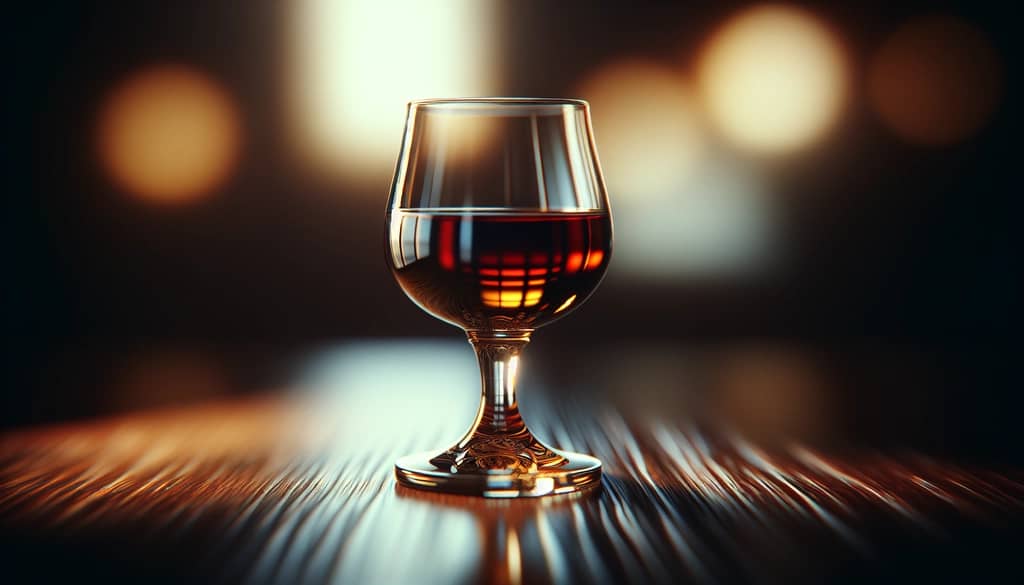
Tawny Port stands out for its extended barrel aging, which transforms its youthful fruit into flavors of caramel, nuts, and dried fruits. This process gives the wine a golden-brown color and a silky, mellow texture.
- Matured for years (sometimes decades) in small wooden barrels.
- Delivers notes of toffee, roasted almond, and fig.
- Often labeled by age statement: 10, 20, 30, or 40 years.
- Ideal for sipping slowly, complementing desserts like caramel tart or nuts.
White Port: Crisp and Versatile
Made from indigenous white grape varieties, White Port can range from dry to richly sweet, with flavors spanning citrus, stone fruit, and floral notes. Its refreshing character makes it a staple for creative cocktails, especially with tonic water.
- Often enjoyed chilled as an aperitif or mixed with soda or tonic.
- Dry White Ports feature zesty lemon and green apple flavors.
- Sweeter expressions develop honeyed or nutty undertones.

Rosé Port: Modern, Fresh, and Fruity
Rosé Port is a relatively recent development, crafted from red grapes by brief skin contact to extract just a hint of color and summer berry flavor. It results in a lighter, aromatic style that’s ideal for chilled sipping or mixing into spritzes.
- Pale pink hue with flavors of strawberry, cherry, and pomegranate.
- Served cold, often with fruit or sparkling mixers.
- Delivers a fresh, lively taste tailored for warmer months.
What About Vintage and LBV Port?
Beyond the core types, two high-prestige styles deserve mention. Vintage Port is bottled after limited aging and matures in the bottle, gaining complexity and depth over decades. Late Bottled Vintage (LBV) offers a similar flavor experience but is aged longer in barrel and ready to drink sooner. Both are typically made from grapes harvested in a single year.
- Vintage Port: powerful, structured, with remarkable aging potential.
- LBV Port: robust, fruit-forward, more accessible and affordable.
How to Use Different Port Styles in Cocktails
Ruby’s fresh fruit and body bolster bold sours and cobblers. Tawny lends depth and warmth to spiced or creamy drinks. White Port, especially the dry variants, shines when paired with tonic or citrus, while Rosé Port pushes cocktails into bright, effervescent territory with little effort. Each type brings its own signature texture and aroma—don’t hesitate to swap between them to refresh classic recipes.