Updated on: 6/3/2025

Do Virgin Cocktails Taste the Same as Their Alcoholic Counterparts?

Virgin cocktails—also known as non-alcoholic or mocktail versions—are designed to echo the flavor profiles of classic alcoholic drinks, right down to their refreshing, complex notes. But does a virgin Mojito or Margarita really taste like the original?
How Alcohol Shapes Flavor in Cocktails
Alcohol’s effect on cocktails goes beyond obvious booziness. It acts as a solvent, extracting aromatic oils from zests and enhancing the way flavors mix. Ethanol brings body and a gentle burn, balancing out sweet, sour, or bitter notes in the glass.
- Delivers warmth and mouthfeel that water can’t replicate
- Boosts perception of certain flavors, like citrus or spice
- Dissolves aromas for a more intense bouquet
What’s Different in Virgin Cocktails?
Virgin cocktails use creative alternatives—herbal syrups, non-alcoholic spirits, infused waters, and fresh juices—to deliver a balanced, adult flavor. Still, replicating alcohol’s subtleties is a technical challenge.
- Sensation: Lacks the warmth, body, and afterburn of ethanol.
- Aromatics: Some flavors may read brighter or fruitier, since nothing binds or blurs the edges.
- Balance: Acidity or sweetness can stand out more; bitterness is often dialed back.
- Texture: Alcohol’s weight is missing—mocktails sometimes use egg white, aquafaba, or glycerin to help.
Crafting Similar Taste: Tips for Near-Perfect Mocktails
For the closest match possible, bartenders rely on careful balancing and new non-alcoholic products. The following hacks bring a virgin cocktail closer to its spirited inspiration:
- Choose non-alcoholic spirits with complexity (herbal, smoky, or spiced notes).
- Adjust acidity with 15–20 ml vinegar or verjus when lemon or lime falls flat.
- Include bitter ingredients (herbal teas, bitters with no alcohol) for depth.
- Build texture by adding 15 ml egg white or aquafaba per serving and shaking well.
- Use house-made syrups (ginger, rosemary, cinnamon) to simulate aromatic heft.
Are Virgin and Alcoholic Cocktails Really the Same?
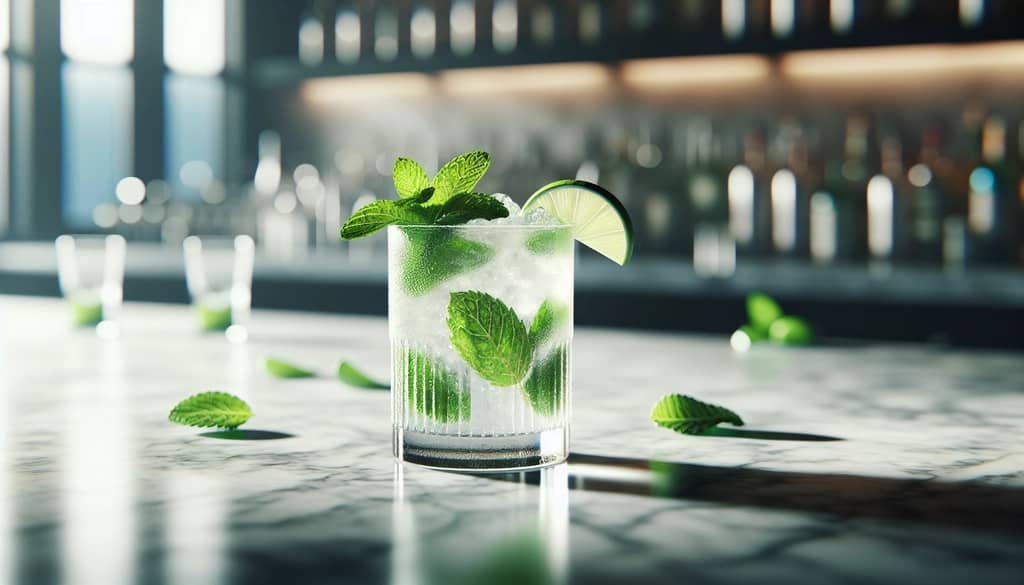
Virgin cocktails come impressively close, especially when expertly built, but there’s almost always a subtle difference in mouthfeel and aromatic weight. A virgin Margarita is tart and zesty, but often lacks the mellow finish of tequila. Still, when the balance is tuned, the overall taste experience is remarkably satisfying—bold, refreshing, and grown-up.
- Most people are unlikely to notice major flavor gaps, especially with fresh, high-quality ingredients.
- For some classics (like a Negroni or Old Fashioned), alcohol is so central that the virgin version is more an inspired reimagining.
- Modern non-alcoholic spirits are closing the gap; some brands offer impressive complexity.
Whether for health, moderation, or simply the enjoyment of a complex drink without the effects of alcohol, virgin cocktails deliver a genuine taste experience—with only very slight differences from their alcoholic originals.