Updated on: 6/3/2025

Gin Fizz vs Tom Collins: What Makes Them Distinct?
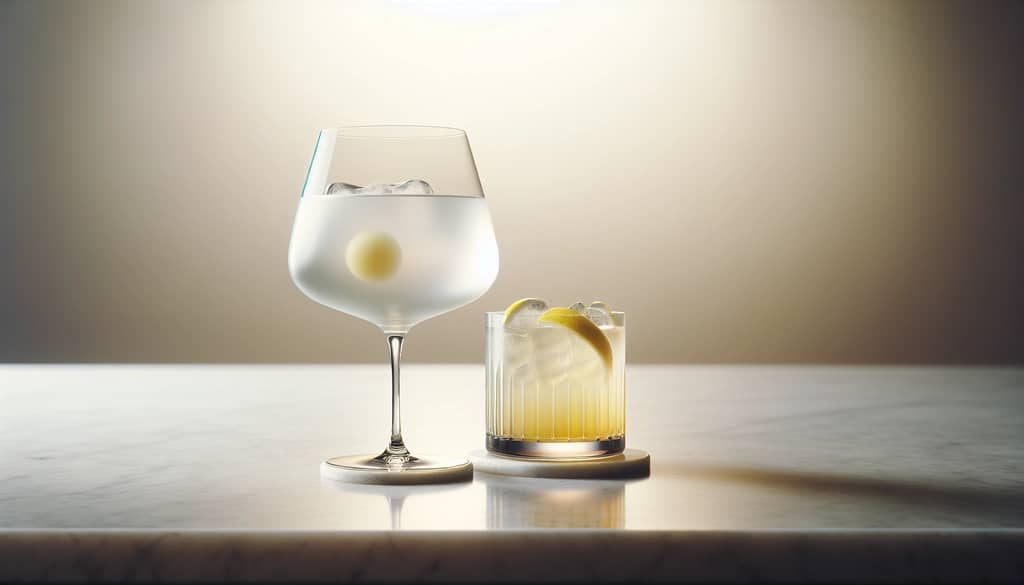
Within the world of classic gin cocktails, the Gin Fizz and Tom Collins often spark debate. While both showcase gin, citrus, sugar, and bubbles, small details set them apart—details that shape everything from mouthfeel to the ritual of serving. Whether you’re adjusting your home bar skills or looking for the ideal refreshing highball, knowing the difference will help you craft the perfect drink for any occasion.
Key Similarities: Shared Ingredients and DNA
At first glance, Gin Fizz and Tom Collins look nearly identical on paper. Both are built around these foundations:
- Gin (preferably a classic dry style)
- Fresh lemon juice
- Simple syrup (or sugar)
- Soda water (carbonated for lift and texture)
So why is there confusion, and what changes the entire experience? The answer lies in the preparation, glassware, and subtle stylistic traditions.
Gin Fizz Recipe Breakdown
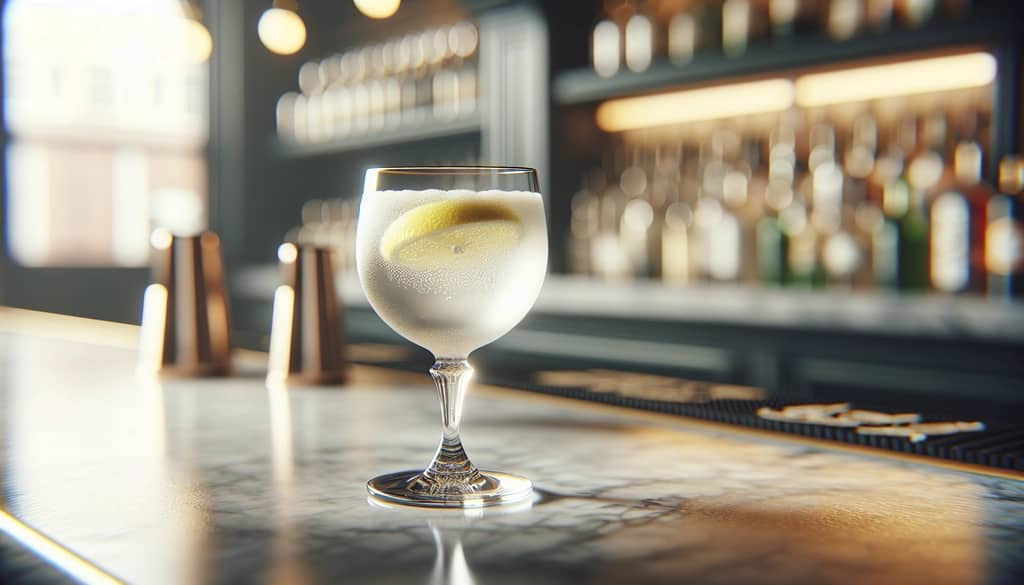
A gin fizz spotlights frothy texture and lively carbonation, usually served in a shorter glass and built to be consumed quickly—before the fizz subsides.
- 60 ml London dry gin
- 30 ml fresh lemon juice
- 15 ml simple syrup
- 60 ml chilled soda water
- Shake gin, lemon juice, and syrup vigorously with ice.
- Strain into a chilled fizz (small, straight-sided) or rocks glass.
- Top with chilled soda water and serve immediately.
The fizz’s bright acidity and lower dilution make it punchier and more immediate, with effervescence taking center stage.
Tom Collins Recipe Breakdown
The Tom Collins is a lengthened fizz, traditionally assembled right in the glass over ice. It offers a softer, more gradual experience and is perfect for slow sipping.
- 60 ml London dry gin
- 30 ml fresh lemon juice
- 15 ml simple syrup
- 90 ml chilled soda water
- Fill a tall Collins glass with ice cubes.
- Add gin, lemon juice, and syrup directly to the glass.
- Top up with soda water and gently stir.
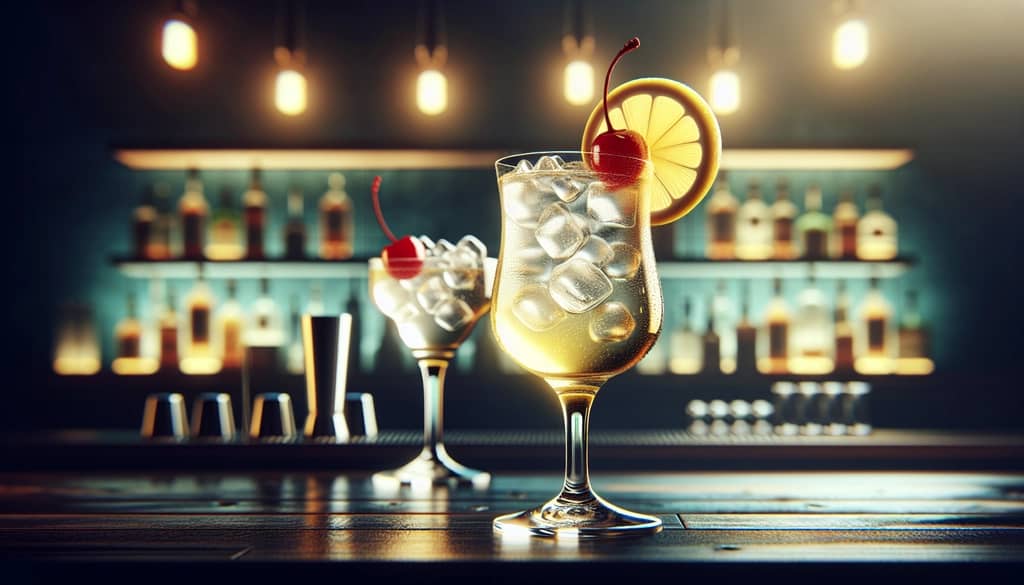
- Garnish with a lemon wheel and optional maraschino cherry.
With extra dilution and a higher proportion of soda, a Tom Collins is cooler and less intense—a classic summer highball designed for lingering.
Core Differences: Glass, Method, and Sensory
- Shaking (Fizz) vs. Built Over Ice (Collins): Gin Fizz is shaken then strained, producing a lively head of bubbles and cold clarity; Tom Collins is built right in the glass over ice, promoting dilution and a lighter texture.
- Glassware: Gin Fizz uses a short, straight-sided glass (no ice after straining); Tom Collins is served tall in a Collins glass with plenty of ice.
- Fizz Proportion: Tom Collins is topped with more soda (90 ml vs. 60 ml), giving a milder taste and longer drink.
- Garnish Traditions: Collins often features a lemon wheel and cherry, while the fizz might see only a twist.
Which to Choose? Practical Tips
- For crisp, bright, frothy refreshment—go for a gin fizz, sipped soon after serving.
- For a tall, easy sipper that stays cool—Tom Collins is the go-to choice for parties or longer sessions.
- Experiment with both: swap in different gins, add a dash of orange flower water to the fizz, or use flavored simple syrups.