
Updated on: 6/3/2025

Are There Any Health Benefits to Drinking Herbal Liqueurs?

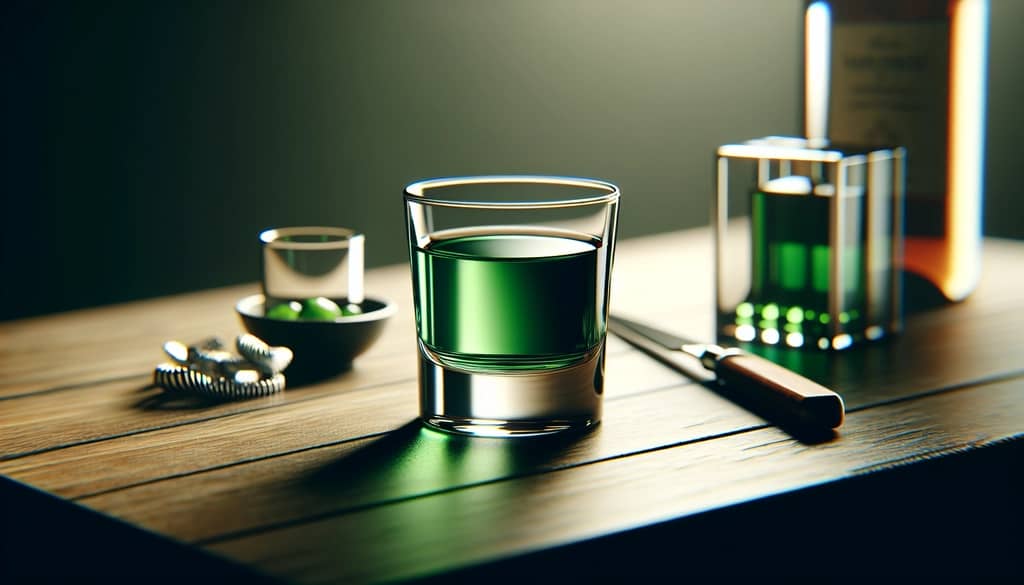
Herbal liqueurs occupy a unique place in the world of spirits, blending botanicals, roots, spices, and sometimes medicinal plants into sweetened alcoholic mixtures. From classic Chartreuse and Bénédictine to modern craft aperitifs, these drinks have a rich history linked to traditional herbal remedies. But can sipping these green, amber, or ruby-hued elixirs offer any real health advantages?
Traditional Remedies, Modern Context
Historically, monks and apothecaries crafted herbal liqueurs as tonics or digestive aids. Popular examples like Strega, Fernet-Branca, or Underberg feature infusions of herbs legendary for their curative reputations—such as gentian root, anise, cinnamon, chamomile, and angelica. Modern brands often celebrate this heritage, marketing their liqueurs as botanical blends inspired by traditional medicine.
Potential Benefits of Herbal Ingredients
A few plants commonly used in herbal liqueurs have been studied for their possible health effects when consumed in non-alcoholic forms or as supplements:
- Gentian root: Often cited for aiding digestion and stimulating appetite.
- Chamomile: Traditionally used to support relaxation and reduce mild stomach upset.
- Mint, fennel, or anise: Enjoyed for their cooling flavor and soothing effect on the digestive tract.
- Angelica, cardamom, or cinnamon: Valued for their potential antioxidant activity.
It’s important to note that the amounts of these botanicals in most liqueurs are small, and their potential benefits are not backed by robust clinical evidence in the context of alcoholic beverages.
Are Herbal Liqueurs Actually Good for You?
While herbal liqueurs can offer a complex array of aromas and flavors, their alcohol and sugar content outweigh any potential upside for most people. Drinking them in moderation—perhaps as a thoughtful after-dinner sipper—may support the social and sensory pleasure of a meal rather than deliver measurable health benefits.
- Alcohol, even in modest amounts, carries health risks over regular use.
- Sugary liqueurs can contribute to caloric intake and dental concerns.
- Research does not support the idea that the herbal content neutralizes alcohol’s effects.
Best Practices for Enjoying Herbal Liqueurs Responsibly
- Savor herbal liqueurs in small portions—like a 30 ml pour served neat or on ice.
- Look for options with lower sugar and alcohol content if available.
- Enjoy as part of special occasions in good company, not as a health supplement.
Takeaway: Moderation Matters Most
While herbal liqueurs offer a fascinating taste of history and herbal traditions, any health claims should be taken with a grain of salt. Their botanicals might have enjoyed medicinal status centuries ago, but today, the priority should be mindful sipping—always weighing the pleasures of these complex spirits against the well-established effects of alcohol. If you're curious, try sampling a quality herbal liqueur after dinner for its flavors, not as a shortcut to wellness.