
Updated on: 6/3/2025

Are There Any Health Considerations When Enjoying Winter Cocktails?
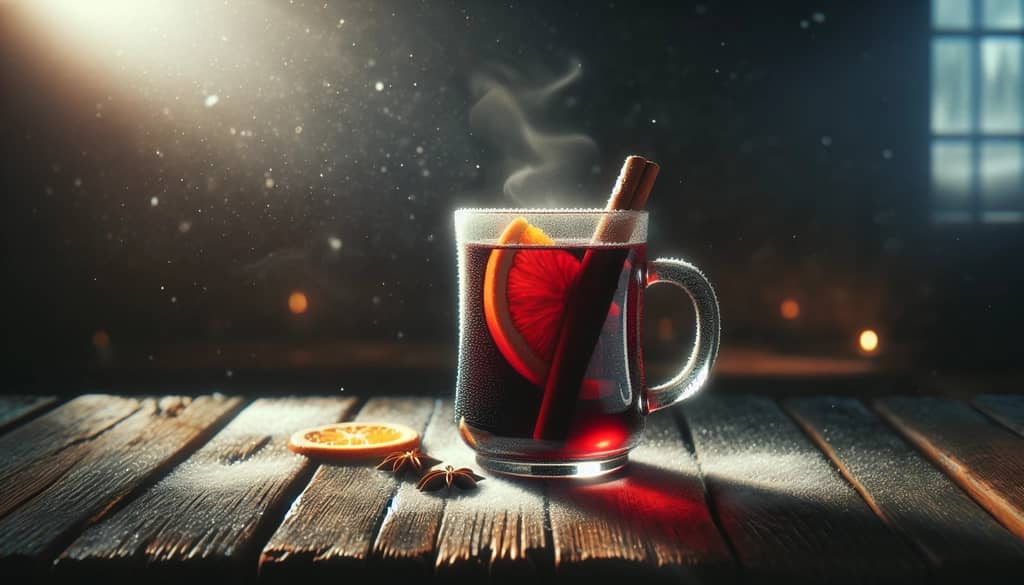
Sipping a well-crafted winter cocktail by the fire is one of the season’s great pleasures. Yet colder months and festive gatherings introduce some unique health considerations for anyone indulging in spiced, creamy, or boozy winter drinks.
Alcohol Content and Consumption
Winter cocktails often feature spirits and liqueurs with higher alcohol by volume (ABV) than summertime spritzes. Hot drinks like mulled wine or Irish coffee, and holiday classics like eggnog, may feel more comforting than a chilled cocktail, but their warming character can prompt more frequent refills or generous pours.
- Drink slowly and always measure spirits: most winter recipes call for 45 ml to 60 ml per cocktail.
- Consider making lower-ABV versions by using fortified wines, sherry, or combining with tea or coffee bases.
- Alcohol can mask the sensation of cold, increasing your risk of overexposure outdoors.
Sugar and Calorie Content
Festive cocktails, especially those with liqueurs, creams, or flavored syrups, can pack plenty of sugar and calories. Classic eggnog, hot buttered rum, or Brandy Alexanders, for example, typically contain both added sugars and fats.
- Check recipes for total sugar—many winter cocktails can contain 10–20 grams (2–4 tsp or 10–20 ml) sugar per serving.
- Opt for natural sweeteners such as honey (5 ml = 1 tsp) or maple syrup for richer flavor and minimal processing.
- Use unsweetened milk alternatives or reduced-fat dairy to lighten creamy cocktails.
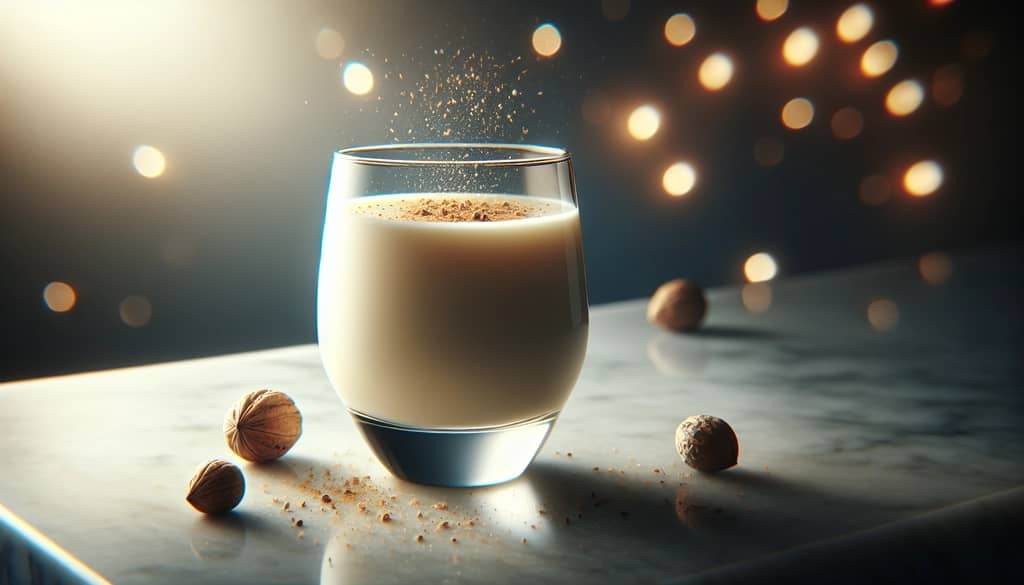
Allergies, Lactose, and Special Ingredients
Classic winter cocktails occasionally use ingredients like raw eggs (in flips or eggnog), cream, or spices. These can introduce allergens or food safety hazards if not sourced and prepared carefully.
- If using raw eggs, opt for pasteurized eggs to minimize risk.
- Dairy-based drinks may be unsuitable for those with lactose intolerance or milk allergy; consider oat or almond milk as alternatives.
- Check for hidden gluten in syrups, flavored liqueurs, or spice mixes if you are celiac or gluten-sensitive.
Warming Cocktails and Dehydration
Alcohol is dehydrating regardless of the season. Hot drinks, despite their soothing aroma, don’t change this effect. Dry winter air may amplify risk, especially when combined with caffeine from coffee-based cocktails.
- Alternate each cocktail with a full glass (200 ml) of water.
- Consider herbal infusions or caffeine-free bases for late-night drinks.
- Be mindful if combining multiple warming drinks—alcohol can temporarily lower body temperature.
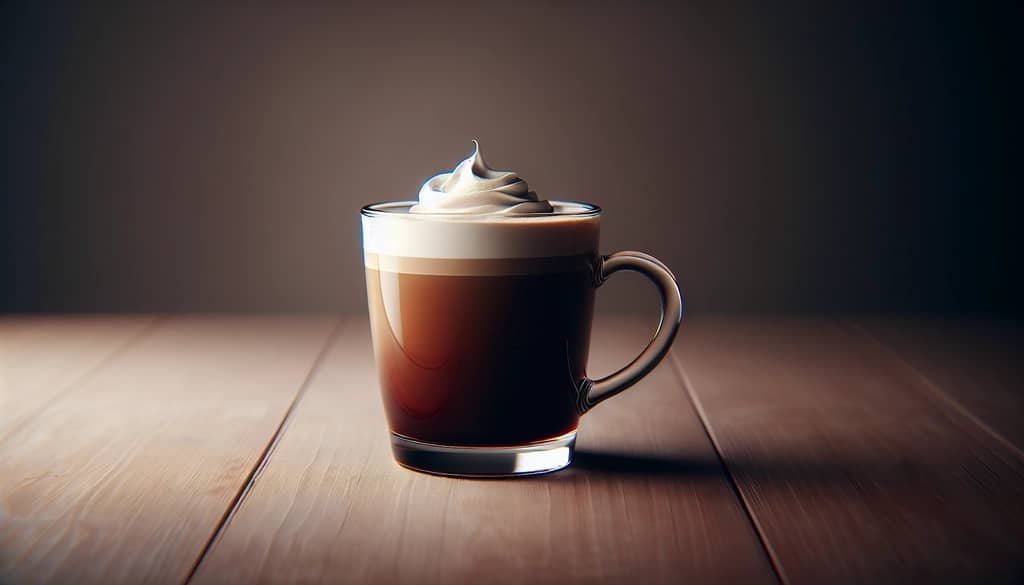
Tips for Enjoying Winter Cocktails Responsibly
- Serve cocktails in standard glassware to help track serving size—most are intended for 120 ml to 220 ml portions.
- Balance decadent drinks with lighter options: try spiced seltzers or lower-strength punches.
- Enjoy small sips and focus on festive flavors rather than quantity.
Winter cocktails are all about comfort and celebration, but enjoying them with a little mindfulness around health and moderation ensures that the season stays bright. If you have dietary needs or concerns about certain ingredients, most recipes can be easily adjusted for better balance and well-being.