
Updated on: 6/3/2025

How Are Liqueurs Different From Spirits?
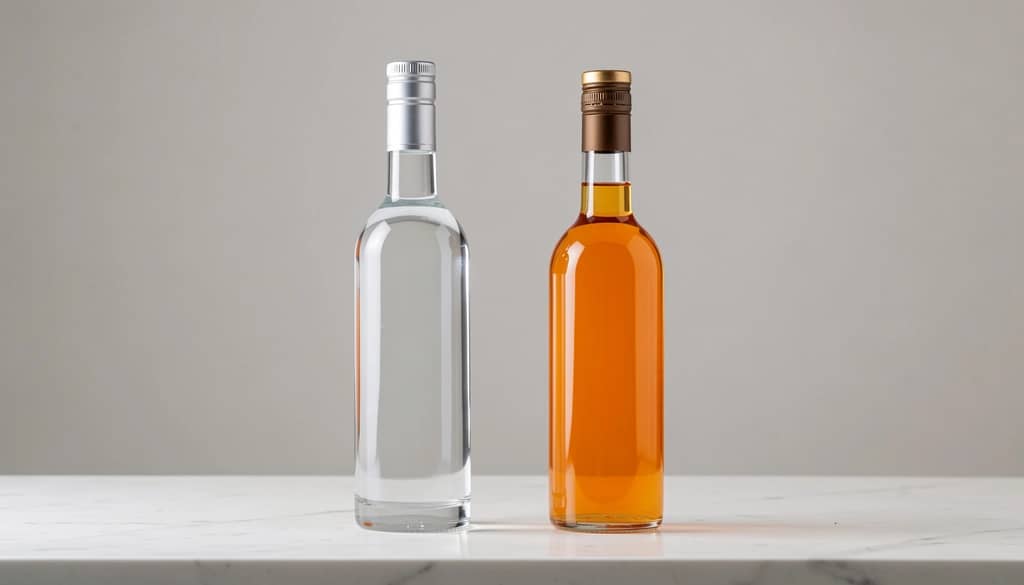
Liqueurs and spirits are often stocked together on the bar shelf, but their roles and flavor profiles stand apart. Knowing exactly what sets them apart helps you choose the right bottle for cocktails, sipping, or culinary use.
Core Distinctions: Liqueurs vs. Spirits
The main difference rests in sweetness and flavoring. Spirits—also called distilled spirits or liquors—are alcoholic drinks distilled from fermented ingredients and typically left unflavored and unsweetened. On the other hand, liqueurs start with a spirit base, but always include added sweeteners and infused flavors.
- Spirits (vodka, gin, rum, tequila, whiskey, brandy): distilled, unsweetened, focus on the base alcohol’s natural profile.
- Liqueurs (triple sec, amaretto, coffee liqueur, herbal liqueurs): based on a spirit, then blended with sugar and flavoring agents like fruit, herbs, nuts, coffee, or cream.
What Goes Into a Liqueur?
A liqueur always starts with a distilled spirit. The base can be anything from neutral alcohol (like for triple sec) to whiskey or brandy. After distillation, the producer adds sugar—often anywhere from 100 to 250 grams per liter—and a carefully chosen set of flavors.
- Fruit: orange (Cointreau, Grand Marnier), cherry (maraschino), blackcurrant (crème de cassis)
- Herbs & Spices: anise (sambuca), caraway (Kümmel), multiple botanicals (Chartreuse, Bénédictine)
- Nuts & Beans: almond (amaretto), hazelnut (Frangelico), coffee (Kahlúa)
- Dairy or Eggs: Irish cream, advocaat
How Spirits Are Made and Used
Spirits are produced by fermenting fruit, grains, or other sugars and then distilling the resulting liquid, raising the alcohol content and purifying flavors. Most spirits skip added sugar or flavoring entirely—their signature taste comes from base material, fermentation, and maturation (if any).
- Vodka: nearly flavorless, distilled from grains or potatoes, bottled unsweetened.
- Gin: neutral spirit redistilled with juniper and other botanicals but not sweetened.
- Whiskey: distilled from grains and matured in barrels; flavors come from grain, yeast, and oak, never sugar or added flavoring (except some flavored whiskey products, which become classified as liqueurs).
- Rum: distilled from sugarcane; “spiced rumm” has added flavors, but unless sweetened beyond a threshold, it remains a spirit.
Common FAQs and Misconceptions
- Is Baileys a spirit or liqueur? It’s a liqueur—cream, sugar, and Irish whiskey base.
- Are all liqueurs sweet? Yes, by legal and practical definition, a liqueur must be sweetened. Some, like herbal liqueurs, balance bitterness, but all contain sugar.
- Do spirits ever have flavors? Distillers may infuse natural botanicals (like in gin), but unless sweetened, these products remain classified as spirits, not liqueurs.
Understanding how liqueurs differ from spirits ensures you mix cocktails with intention—or simply sip with more appreciation.