Updated on: 6/3/2025

How Is Bourbon Different from Other Whiskeys?
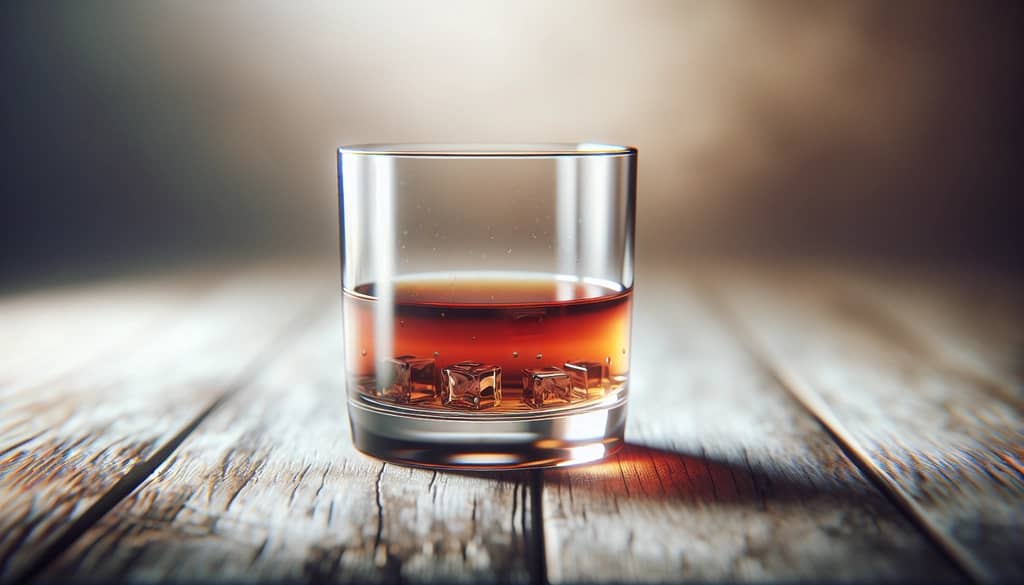
Bourbon stands out from the wider world of whiskey thanks to precise legal requirements, unique flavors, and its deep connection to American tradition. While all bourbon is whiskey, not every whiskey is bourbon — and the difference goes well beyond geography.
What Defines Bourbon by Law?
To officially be called bourbon, a whiskey must meet the following U.S. standards:
- Made in the United States (not just Kentucky)
- Mash bill: at least 51% corn; the rest can be rye, barley, or wheat
- Distilled to no more than 80% alcohol by volume (160 proof)
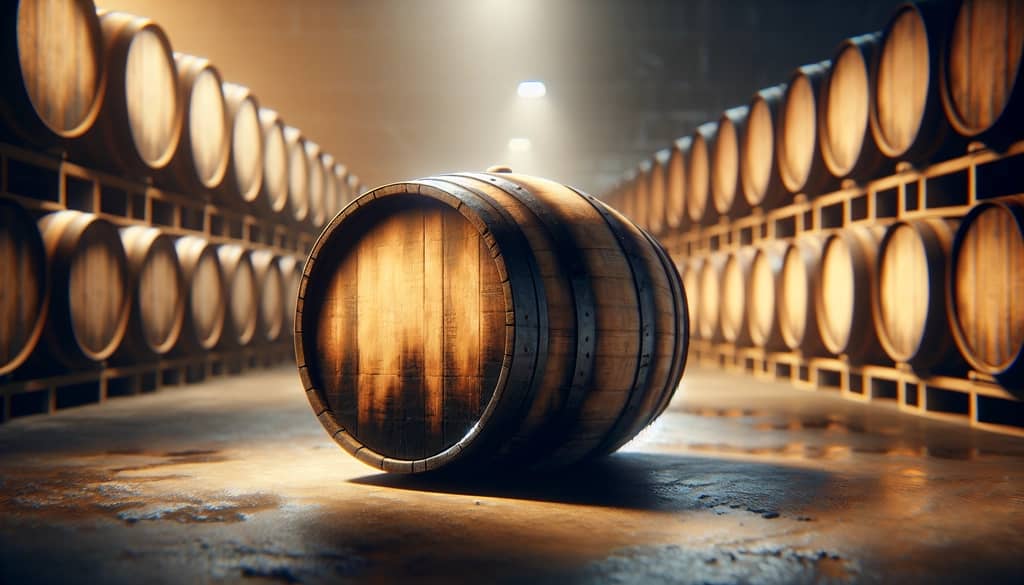
- Aged in new, charred oak barrels — never reused
- Entered into the barrel at no more than 62.5% alcohol by volume (125 proof)
- Bottled at minimum 40% alcohol by volume (80 proof)
How Does Bourbon’s Recipe Affect Flavor?
The high corn content (at least 51%) gives bourbon its famed sweeter, fuller-bodied profile. Corn brings notes of caramel, vanilla, and sometimes even candy or marshmallow, while cooperating grains like rye or wheat add spice or softness. New charred oak barrels contribute color, body, and signature notes of vanilla, coconut, baking spices, and gentle smoke.
- Sweeter than most rye or Scotch whiskies
- Typically fuller-bodied and round on the palate
- Bold notes of caramel, vanilla, and sometimes dried fruit
- Charred oak creates depth, color, and subtle smoke
Key Differences from Other Whiskeys
- Scotch whisky (from Scotland) uses mostly malted barley and is often aged in used barrels; it delivers smoky, earthy, or fruity flavors, usually less sweet than bourbon.
- Irish whiskey must be made in Ireland, typically using a mix of malted and unmalted barley, triple-distilled for smoothness and aged in used barrels for a lighter, more floral taste.
- Rye whiskey (American) is made from at least 51% rye, giving a spicier, drier finish; Canadian whisky often uses a high-rye mash but does not have specific barrel-aging regulations and may taste lighter.
Bourbon’s new-charred-oak requirement and high corn mash are what shape both its bold flavors and its legal definition, securing its place as a distinctly American whiskey.