
Updated on: 6/3/2025

How Is Gin Different from Other Spirits?
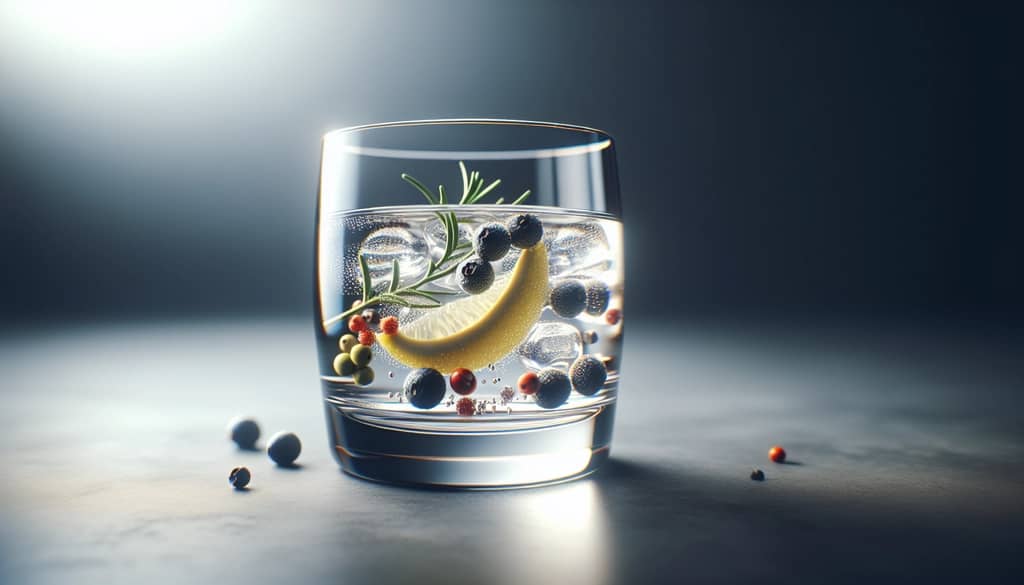
Gin stands out in the spirits world largely because of its defining use of juniper alongside a range of botanicals. This gives it a character that no other major spirit replicates. To understand what makes gin truly different, it helps to look at both how it’s made and how it tastes in comparison to other categories like vodka, whiskey, and rum.
The Defining Ingredient: Juniper
Every gin is required—by law in most regions—to have a noticeable juniper flavor. Juniper berries provide sparkling pine, citrus, and herbal notes. Other spirits, including vodka, rum, tequila, and whiskey, never feature juniper as the central flavor, making this the core difference.
Botanical Complexity
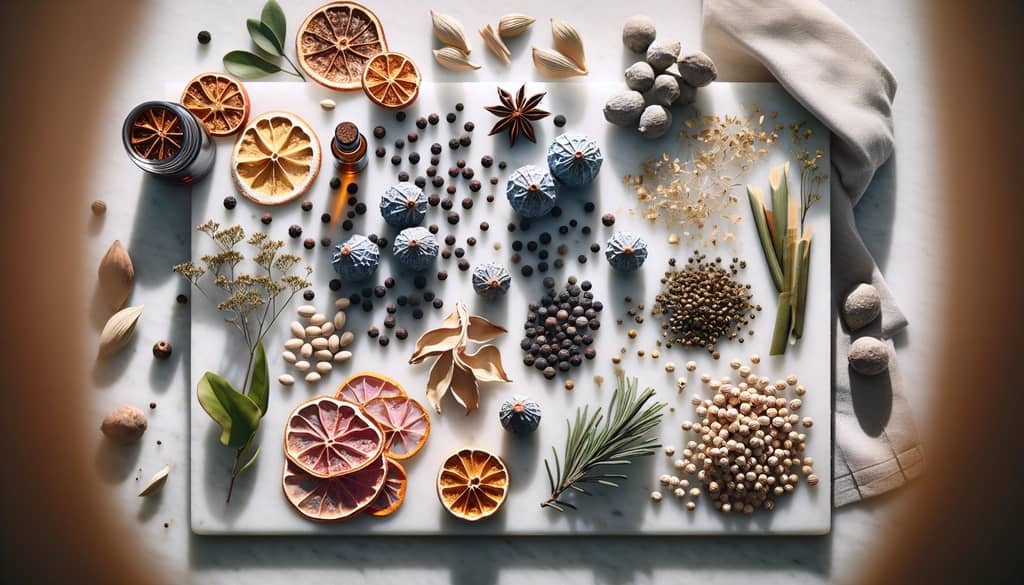
Gin's flexibility comes from the wide variety of other botanicals allowed—coriander, angelica, citrus peels, cardamom, orris root, licorice, and more. Each distillery uses its own botanical mix and method, yielding a huge range of aromas and flavors. In contrast, distillers of vodka typically aim for neutrality. Whiskey’s and rum’s profiles come from grain, molasses, fermentation nuances, and barrel aging, not infusions of fresh botanicals.
How Gin Is Made: Infusion and Distillation
- Gin starts with a neutral base spirit, most often from grain.
- The spirit is redistilled with juniper and botanicals, either steeped in the liquid or suspended in the still’s vapor path (as in London dry gin).
- This method yields an aromatic, often herbal and citrusy profile. Vodka, by contrast, is filtered or distilled to be almost odorless and flavorless. Whiskey is distilled from fermented grains and aged in oak, while rum relies on sugarcane or molasses and can be unaged or barrel-aged.
Comparing Gin to Other Spirits
- Vodka: Designed for neutrality; lacks botanical or pronounced character.
- Whiskey: Made with grains, then aged in oak; flavors are malty, woody, caramelized—no botanicals.
- Rum: Derived from sugarcane or molasses; sweet spice flavors often from aging, not botanicals.
- Tequila and Mezcal: Distilled from agave, offering earthy, vegetal character, with no added botanicals.
- Gin: Always made with juniper and a bouquet of botanicals—flavor is the purpose, not a byproduct.
How This Affects Cocktails
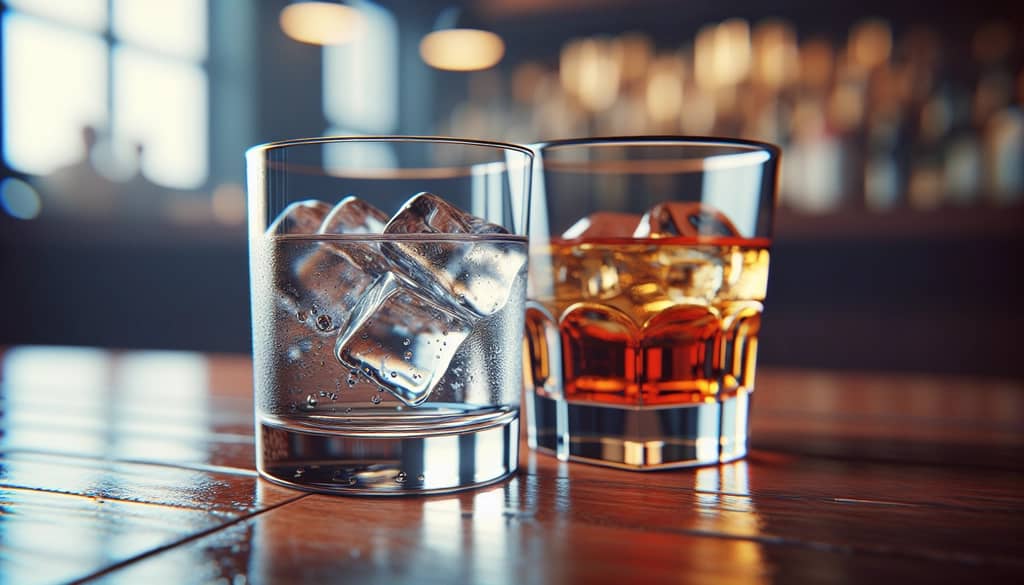
The complex, layered flavors of gin make it a favorite for mixed drinks where the spirit’s identity should shine. Classic gin cocktails—like the Gin & Tonic, Martini, and Negroni—depend on the interplay of juniper and botanicals with bitters, vermouths, or fresh mixers. Spirits like vodka serve more as a neutral backbone for other flavors, while aged spirits like whiskey or rum transform a cocktail’s profile with wood and spice notes.