
Updated on: 6/3/2025

How is Port Wine Made?

Port wine’s signature style—a deep, sweet, and fortifying richness—comes down to one essential act: the arresting of fermentation with grape spirit. Understanding this technique reveals both the craft and science behind every bottle.
Harvesting & Crushing Grapes
Port begins its journey in the Douro Valley, Portugal, where only approved grape varieties are used. The climate, soil, and steep terraces shape the distinct flavor profile found in true port wine.
- Grapes are hand-harvested for optimal quality.
- Bunches are crushed—nowadays by mechanical press or traditional foot treading—to extract maximum color and tannin from the skins.
Fermentation and Fortification
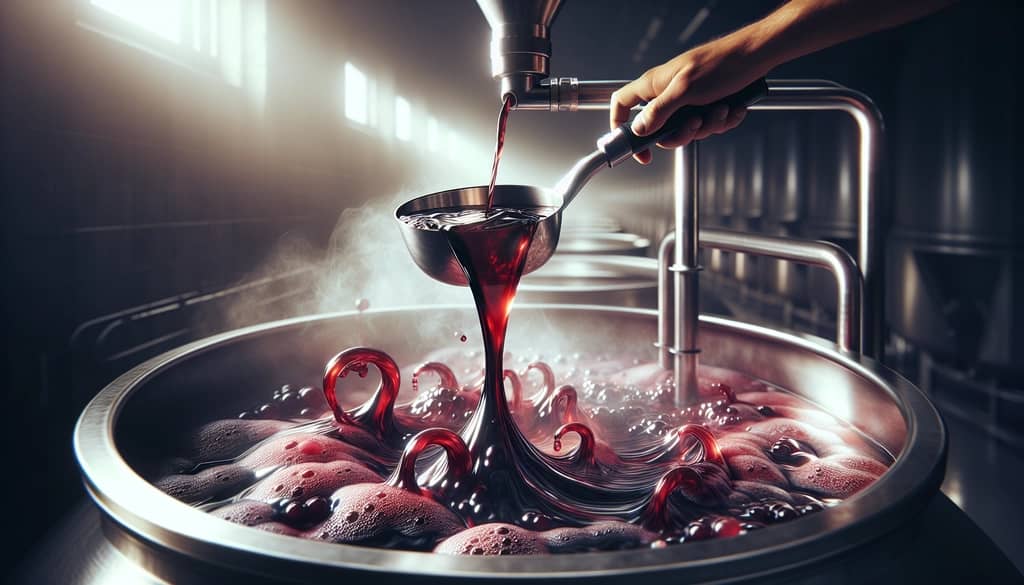
Port wine starts like most wines, but diverges when its yeast is forced to yield. The crucial step: interrupting fermentation by adding a neutral grape spirit—a process known as fortification.
- The juice ferments for only 2–3 days, with yeast converting grape sugars to alcohol.
- Once about half the sugar is consumed, approximately 110 ml neutral grape spirit (brandy at around 77% ABV) is added per 400 ml fermenting wine.
- The rising alcohol halts fermentation, locking in residual sugar for natural sweetness.
Aging and Blending
Once fortified, young port wine is separated from grape solids and left to mature. Style and time determine its final flavor spectrum and body—from tawny and mellow to deep and vintage-dense.
- Port matures in large tanks, wooden barrels, or casks for anywhere from 2 to 40+ years.
- Ruby port spends less time in wood, preserving fruit notes.
- Tawny port ages longer in oak, developing nutty, caramelized tones.
- Before bottling, most ports are blended from multiple casks for consistent style.

What Makes Port Distinct?
Unlike table wine, port’s hallmark comes from the balance of rich sweetness, complex fruit, and warming spirit. Key differences:
- Higher alcohol content (19–22% ABV), achieved by fortification.
- Residual sugar for dessert-level sweetness.
- Comes in multiple styles such as ruby, tawny, vintage, and white.
- Always from Portugal’s Douro region to bear the true port name.
Quick Reference: The Steps to Port
- Hand-harvest grapes in the Douro Valley.
- Crush and ferment grape must.
- Add grape spirit (fortify) to halt fermentation.
- Separate from solids, age in cask or tank.
- Blend and bottle according to style.
Port wine, whether enjoyed as a dessert sipper or mixed into cocktails, owes its unique appeal to this meticulous and traditional method. Every glass reflects a careful mix of nature, timing, and winemaking craft.