
Updated on: 6/3/2025

How Is Sweet Vermouth Made?
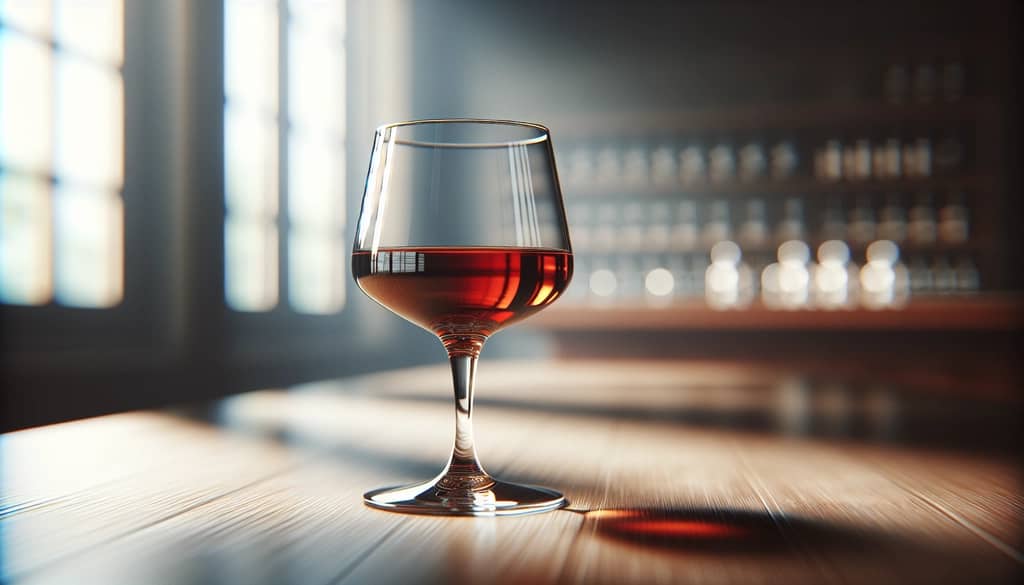
The production of sweet vermouth is a careful process that transforms base wine into a complex, aromatic fortified beverage. Bartenders and spirits enthusiasts often seek out these details to better understand how vermouth shapes the flavors and structure of classic cocktails.
Base Wine Selection
Every bottle of sweet vermouth begins with a foundation of high-quality wine. The choice of base wine can influence the body, aroma, and finish of the final product. Most producers use white wine made from neutral grape varieties, though the character of the grape subtly affects the vermouth’s personality.
- Neutral grape wines typically allow the botanicals to shine.
- Some brands blend different base wines for a specific texture or flavor foundation.
Infusion with Botanicals
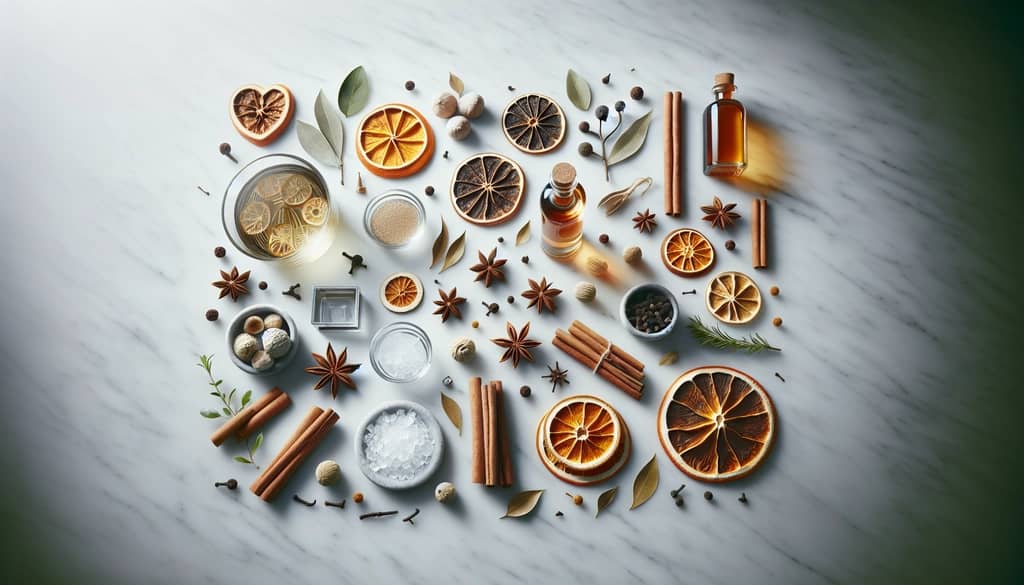
The signature flavor of sweet vermouth comes from infusing the wine with an array of botanicals. Producers keep their specific recipes highly secret, with each brand favoring its own blend. Common ingredients include wormwood (traditionally required for vermouth), along with additional herbs, spices, roots, and citrus peel.
- Wormwood provides the classic bitter backbone.
- Popular additions: cinnamon, gentian root, cloves, cardamom, orange peel, star anise, vanilla, and sometimes dried fruit.
- The botanicals are macerated in the wine (or occasionally in alcohol), steeped for days or weeks to extract flavors.
Fortification and Sweetening
After infusion, the wine is filtered and fortified by adding a neutral grape spirit (often brandy or a clean, flavorless alcohol). This raises the alcohol content, stabilizes the vermouth, and helps preserve the complex flavors.
- Sweet vermouth is sweetened—usually with caramelized sugar or grape must—giving its signature reddish hue and rich mouthfeel.
- Final alcohol content typically lands between 15–18% ABV.
Maturation and Bottling
Some sweet vermouths benefit from a brief resting period after blending, allowing flavors to mellow and integrate. While not aged like spirits, this step can round out any sharp edges. The finished vermouth is filtered to remove any solids and then bottled. Color and sweetness can vary, but all sweet vermouths share a lush, aromatic character.

What Makes Each Vermouth Unique?
The artistry of sweet vermouth comes from the precise botanical recipe and method. Brands like Carpano Antica Formula, Cocchi Vermouth di Torino, and Martini Rosso each have distinctive flavor signatures—from vanilla-rich, to fruit-forward, to spicy. This diversity explains why some vermouths shine neat or on ice, while others are chosen for mixing in drinks like the Manhattan or Negroni.