
Updated on: 6/3/2025

How Is Vodka Different from Other Spirits?
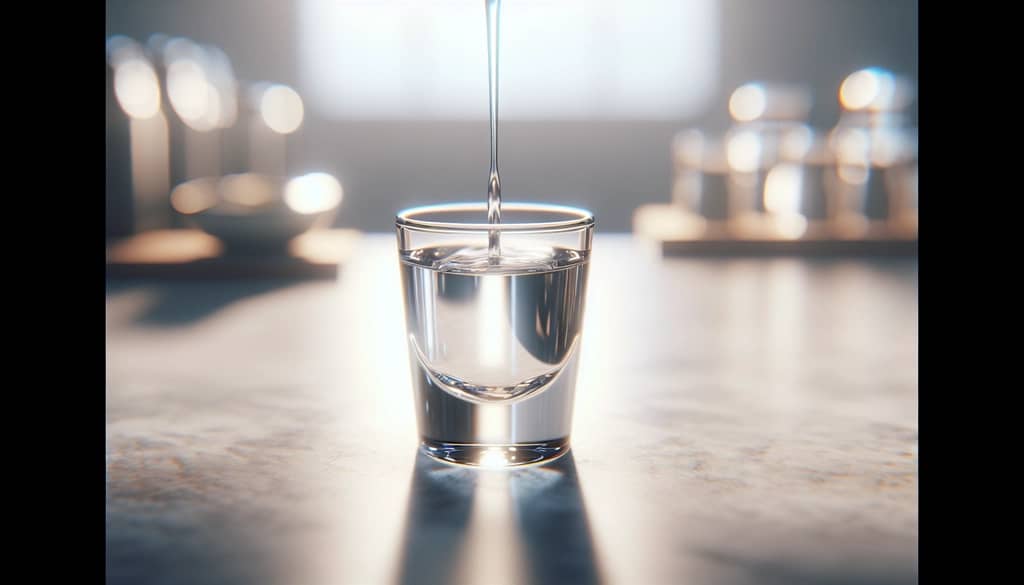
Vodka stands out in the world of spirits for its exceptional clarity, subtle aroma, and neutral taste profile. While many liquors deliberately preserve or highlight flavors from their base ingredients or from barrel aging, vodka’s creation centers on purity and smoothness—qualities that shape every aspect of its production and use.
What Defines Vodka’s Neutral Flavor?
The key distinction comes from the repeated distillation process. Vodka is typically distilled at a high proof (often over 90% alcohol by volume before dilution) and then filtered—sometimes through charcoal or other mediums—to strip away almost all impurities and flavor compounds. The result: a spirit that, when properly made, is colorless, nearly odorless, and free from strong taste.
Vodka vs. Other Major Spirits
Other spirits—like whiskey, rum, gin, or brandy—derive much of their identity from retained flavors, whether from grain mash, sugarcane, or botanicals, and often from barrel aging. Vodka, instead, aims to present almost no perceptible flavor. Here’s how it compares:
- Whiskey: Made from grains and aged in oak barrels, developing caramel, vanilla, spice, and sometimes smoky notes.
- Rum: Produced from sugarcane byproducts (like molasses), sometimes aged, with sweetness and tropical flavors.
- Gin: Distilled from grain but flavored with botanicals, especially juniper, delivering a pronounced herbal character.
- Brandy: Distilled from wine or fruit, with deep, fruity, and oak-induced flavors from aging.
- Tequila: Made from agave, usually with earthy, vegetal, or peppery notes, sometimes aged for complexity.

High Purity and Versatility
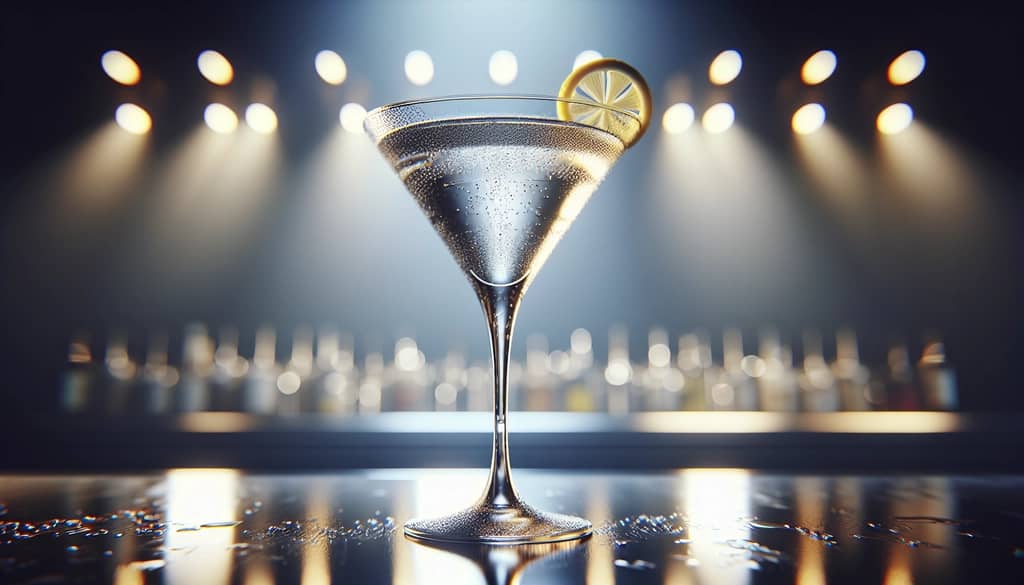
Vodka’s near-complete lack of flavor and aroma is not an accident; it’s a result of modern filtration and distillation techniques. Because it does not compete with mixers or other ingredients, vodka works as a seamless base in countless cocktails—from the classic vodka martini to a cosmopolitan or Bloody Mary.
- Multiple distillations for maximum purity
- Filtered to remove fusel oils and congeners (flavor and aroma compounds)
- Neutral taste profile means vodka carries added flavors cleanly
Common Misconceptions About Vodka
- Higher purity does not mean absence of quality differences; water source and base material (grain, potato, etc.) influence texture and subtle character.
- Flavored vodkas are produced by adding infusions post-distillation, not during the main distilling process.
- Proper neutral vodkas, when chilled, develop a glossier, viscous texture without pronounced aroma—this is a hallmark of good purity.
Summary of Vodka’s Distinction
- Neutral flavor from repeated distillation and filtration
- Minimal aroma and color, compared to pronounced notes in whiskey, gin, and rum
- Highly mixable in cocktails, never overpowering