
Updated on: 6/3/2025

Is It Safe to Use Raw Egg White in Cocktails Like the Boston Sour?
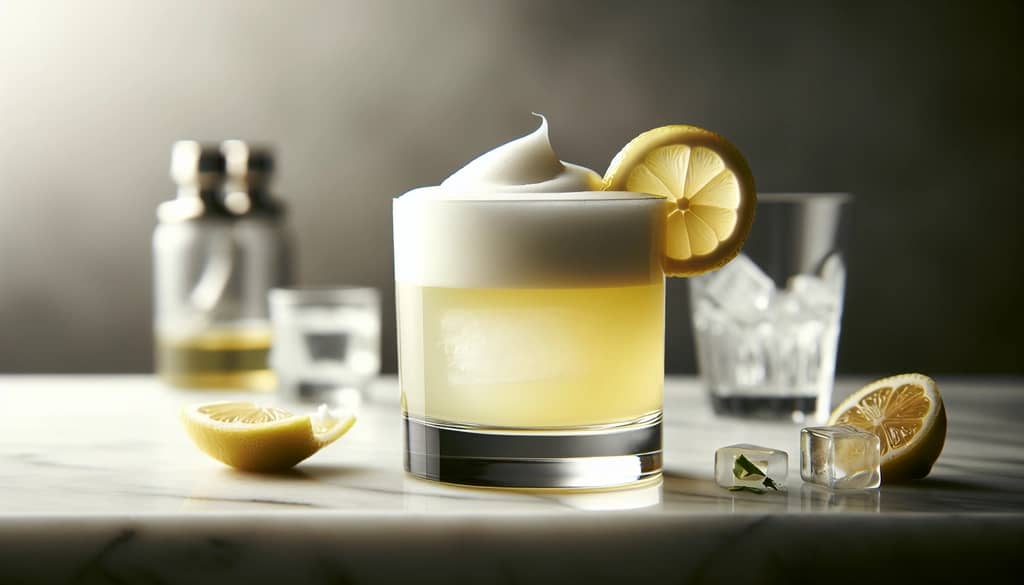
Egg white transforms the Boston Sour, lending creamy texture and a beautiful foam. Still, many home bartenders and guests hesitate: is shaking raw egg into your drink truly safe?
Raw Egg Whites: Evaluating the Real Risk
Salmonella is the primary concern with consuming raw eggs. While outbreaks are rare in most modern food systems, the risk isn’t zero—especially for pregnant people, children, elders, or immunocompromised guests. Most cases result from eggs with cracked or dirty shells, or improper storage. Using high-quality, clean, refrigerated eggs is your first line of defense.
- Refrigerate eggs promptly after purchase—store them at or below 4°C (39°F).
- Check for intact shells before cracking; discard any with visible cracks, even minor.
- Choose the freshest eggs possible, preferably within 3 weeks of packing date.
Minimizing Risk: Home Pasteurization and Commercial Alternatives
If you want added peace of mind, pasteurized eggs are a safe solution for cocktails. These are already heat-treated to destroy Salmonella without coagulating the protein (so they’ll still whip up into a perfect foam).
- Pasteurized liquid egg whites (sold in cartons) can be used in place of fresh eggs. Look for cartons labeled as safe for uncooked use.
- Homemade pasteurization: place whole eggs in a water bath at 57°C (134°F) for 4 minutes, then cool rapidly. Use a thermometer for accuracy.
- Vegan foaming options like aquafaba (chickpea brine) create a similar appearance and mouthfeel, with no risk of foodborne illness.
Classic Boston Sour Recipe: With Egg White
For those who want the true, creamy Boston Sour, here’s a recipe that balances tartness with rich mouthfeel. Egg white aerates and smooths the edges, transforming a standard whiskey sour into a silky, sophisticated drink.
- 60 ml bourbon or rye whiskey
- 22.5 ml fresh lemon juice
- 15 ml simple syrup (1:1, sugar to water)
- 20 ml egg white (from 1 medium egg or equivalent pasteurized product)
- 2 ml aromatic bitters (for garnish, optional)
- Lemon wheel or cherry (garnish, optional)
How to Shake a Boston Sour with Egg White
- Add whiskey, lemon juice, syrup, and egg white to a shaker (do not add ice yet).
- Seal and shake hard for 10 seconds without ice (this is the 'dry shake'—it whips the egg white for maximum foam).
- Open and fill the shaker with ice. Shake again for another 10–12 seconds to chill and dilute.
- Strain into a chilled rocks glass, preferably without ice for a classic Boston Sour.
- Garnish with a few drops of bitters and a lemon wheel or cherry.
Alternatives to Raw Egg White in Your Boston Sour
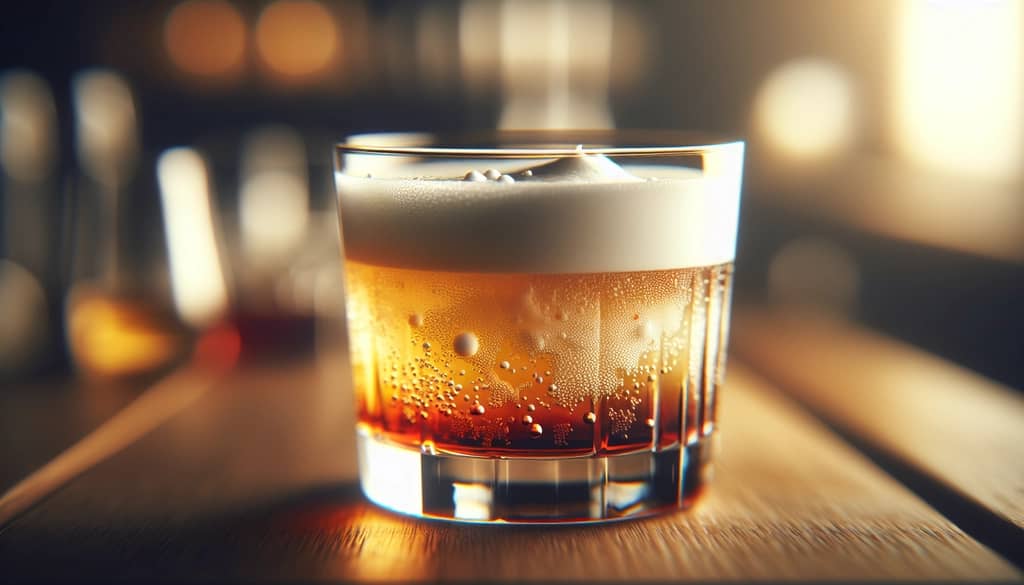
Reluctant to use raw eggs? Both pasteurized egg whites and vegan foaming agents are widely accepted by bartenders and safe to shake at home. Each comes with minor differences in mouthfeel, but the hallmark creamy foam and visual effect are easy to achieve.
- Pasteurized liquid egg whites: Use equivalent amounts; strong foaming action, neutral flavor.
- Aquafaba (liquid from canned chickpeas): 15–20 ml per drink; slightly earthier aroma, excellent vegan substitute.
- Commercial vegan foams: Some specialty cocktail foaming agents (soy protein, etc.), use as directed.
Quick Tips for Safely Enjoying Egg White Cocktails
- Always use the freshest, highest-grade eggs you can find.
- Wash eggs just before use if visibly dirty—never soak or submerge them long.
- Be transparent with guests: disclose use of raw eggs in drinks, and offer alternatives if there’s any concern.
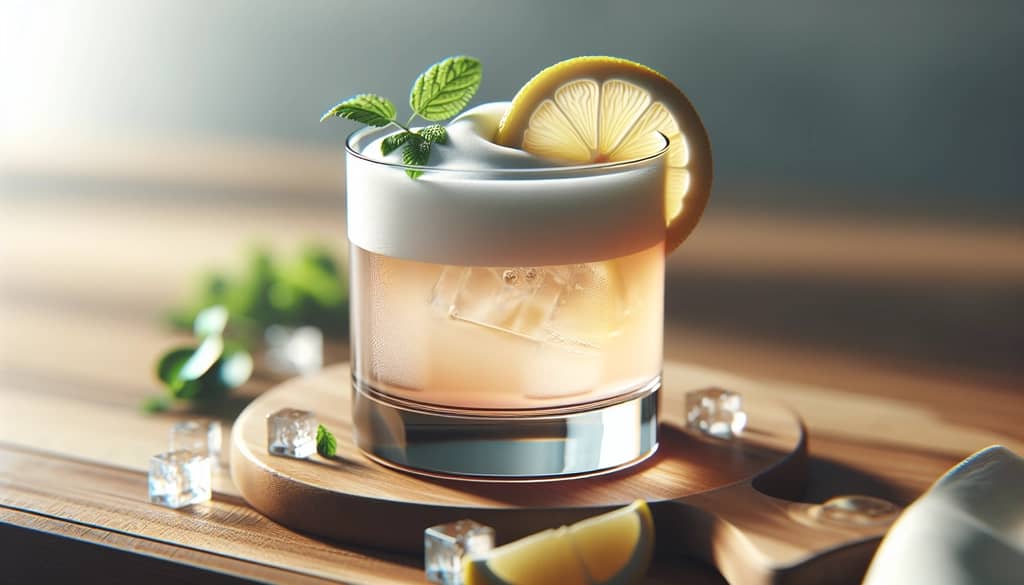
Egg white cocktails like the Boston Sour are safe for most people when made with care and high-quality ingredients. For those seeking the authentic frothy texture or a vegan workaround, the modern home bar offers plenty of safe, delicious choices.