
Updated on: 6/3/2025

Lavender and Gin Cocktails: Recipes, History, and Flavor Pairings
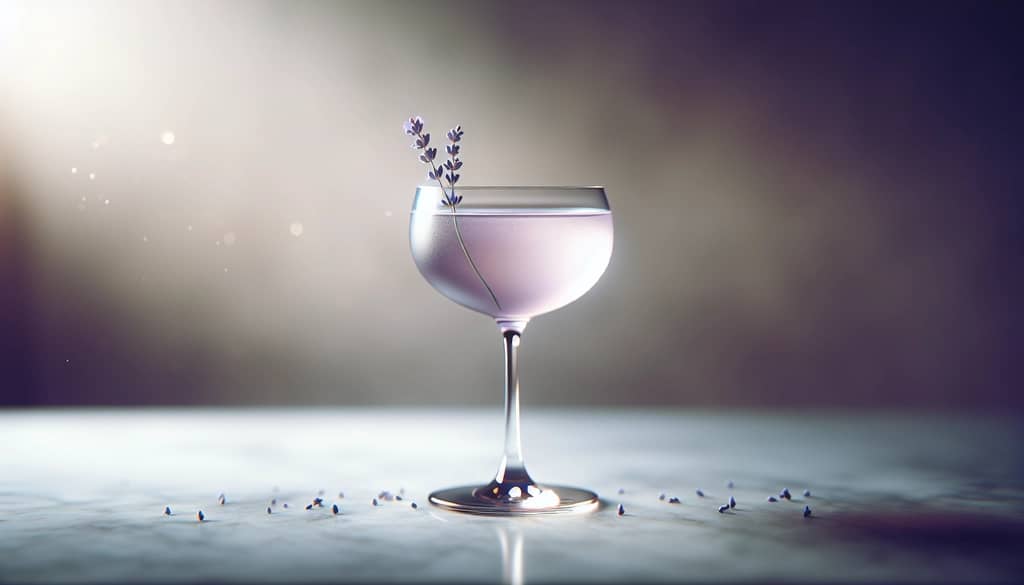
A well-made lavender and gin cocktail brings together the crisp, herbal character of gin with the gentle floral notes of lavender for a drink that's both refreshing and intriguing. Often found on spring and summer menus, these cocktails have become favorites among those looking to explore botanical flavors beyond the classics. With rich history in mixology and endless room for experimentation, lavender and gin cocktails offer much more than their signature scent.
The Origin of Lavender in Mixology
Lavender has a long-standing tradition in culinary and medicinal uses, reaching back to ancient Mediterranean civilizations. Its move into cocktail culture was driven by the craft cocktail resurgence in the late 20th and early 21st centuries, when bartenders sought ingredients with sensory appeal and unique flavor profiles. Lavender’s essential oils were quickly embraced as a complement to the botanicals found in London dry and new Western gins.
The gin and lavender cocktail gained widespread attention thanks to its ability to meld aromatic complexity with aesthetic appeal—lavender not only adds a natural, subtle purple hue but also fills the nose with uplifting floral notes.
Classic Lavender Gin Cocktail Recipe
The core of a gin lavender cocktail is simplicity: let the gin’s botanicals and the floral accents of lavender shine. Many bartenders source or make their own lavender syrup for consistency and freshness.
- 60 ml gin (London Dry or a floral-forward gin)
- 22.5 ml fresh lemon juice
- 15 ml lavender syrup
- 15 ml simple syrup (optional, for extra sweetness)
- Lavender sprig or lemon twist (garnish)
- Add gin, lemon juice, lavender syrup, and (if desired) simple syrup to a shaker filled with ice.
- Shake hard for 12–15 seconds.
- Strain into a chilled coupe or cocktail glass.
- Garnish with a sprig of lavender or a lemon twist.
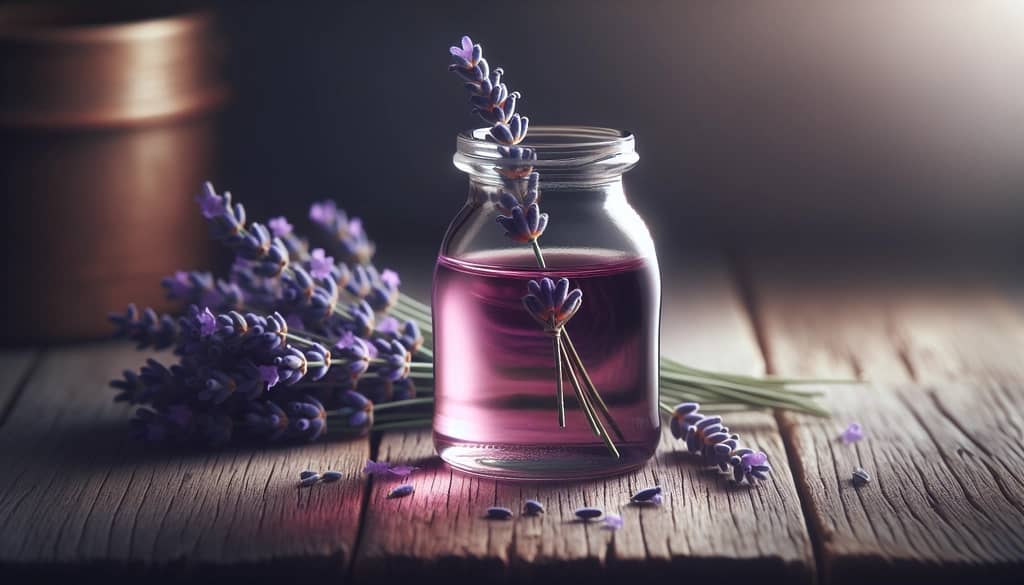
Lavender syrup is easily prepared by steeping dried culinary lavender buds in a simple syrup base, allowing the natural oils to infuse gently and evoke a springtime meadow in the glass.
Popular Variations on the Lavender Gin Cocktail
The gin and lavender combination is flexible. From sparkly patio sippers to creamy shaken classics, bartenders often adjust ingredients to highlight different aspects of these flavors. Here are some inspiring twists:
- Lavender Gin Fizz: Add 30 ml egg white and top with 45 ml soda water for a frothy, fresh cocktail with creamy texture.
- Lavender French 75: Swap simple syrup for lavender syrup and combine with 30 ml lemon juice, 60 ml sparkling wine, and 45 ml gin.
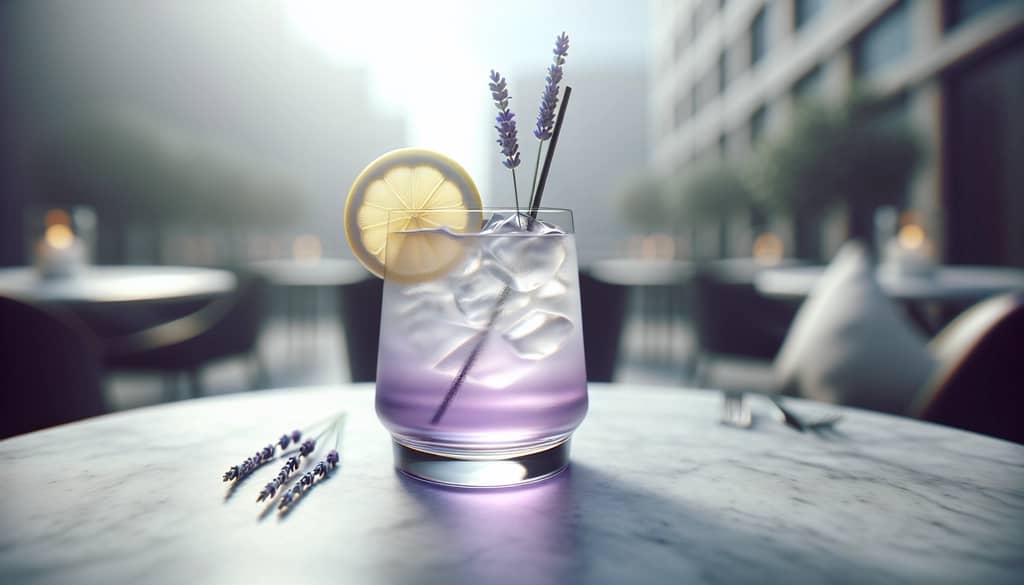
- Lavender Tom Collins: Use 45 ml gin, 22.5 ml lavender syrup, 22.5 ml lemon juice, and top with soda over ice.
- Smoky Lavender Gin: Add 2–3 ml mezcal to a classic build for deeper aroma and complexity.
Flavor Pairings and Serving Tips
Lavender’s floral delicacy pairs beautifully with gin botanicals, but also with ingredients like honey, citrus, and fresh herbs. The secret is balancing the earthy musk of dried lavender without overwhelming the palate. Use these pairing guidelines to keep your lavender gin cocktail balanced and lively:
- Use gently: A few milliliters of lavender syrup goes a long way—avoid soapy or medicinal notes.
- Pair with citrus: Lemon and grapefruit brighten and tame floral flavors.
- Try honey or elderflower: These sweeteners round off the floral edge for a smoother sip.
- Garnish with restraint: A light touch of lavender or a single herb sprig signals aroma without overpowering the drink.
- Serve in smaller glasses: Coupe or Nick & Nora glasses focus aromatics and keep each serving elegant.
Why Lavender and Gin Work So Well
Gin’s foundation of juniper, coriander, and other herbal notes bridges seamlessly with lavender’s aromatic complexity. Where some botanicals can overpower, lavender’s flavor acts as a soft accent—providing subtle perfume without suppressing gin’s identity. The success of a gin lavender cocktail lies in balance: letting each layer of aroma, citrus, and floral unfold with every sip.