
Updated on: 6/3/2025

How Is a Limoncello Mojito Different from a Traditional Mojito?
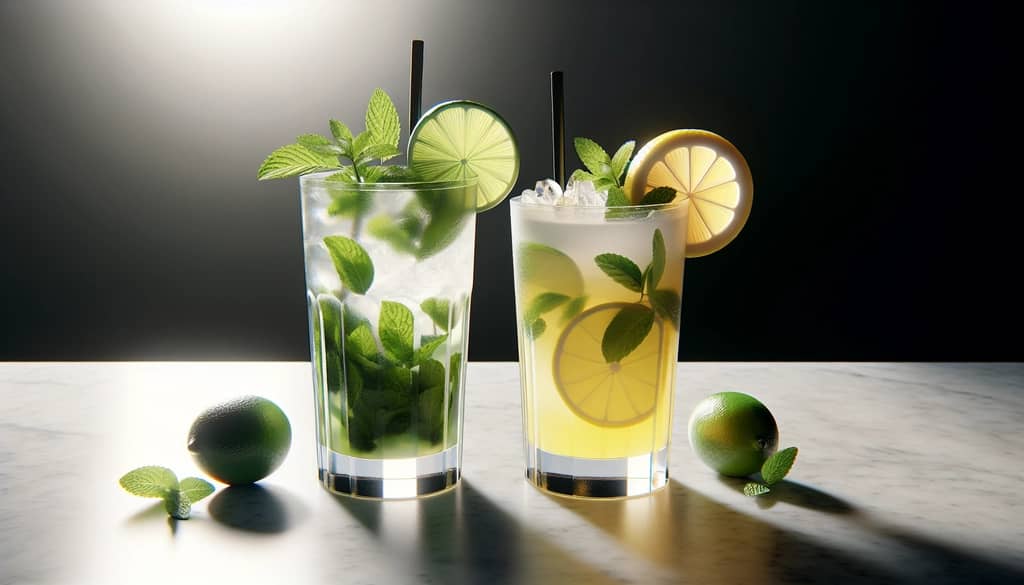
The mojito is a Cuban icon—a refreshing, citrus-mint highball built around white rum. The limoncello mojito, meanwhile, is a modern twist that transforms the flavor profile and origins of this classic with the addition of Italian limoncello, a vibrant lemon liqueur. Each cocktail tells a distinct story in both the history of its ingredients and the drinking experience it offers.
Origins: Cuba Meets Italy
The traditional mojito began in 16th-century Cuba as the “El Draque”—an early blend of aguardiente, lime, sugar, and mint. White rum became the core spirit as distillation evolved. The drink became a Havana staple by the 20th century, famously favored by writers and travelers for its sun-soaked simplicity.
Limoncello, on the other hand, is rooted in Southern Italy, especially the Amalfi Coast. It’s created by infusing spirits (typically vodka or neutral grain spirit) with lemon zest, yielding a sweet, intensely aromatic liqueur. The limoncello mojito is a recent innovation—most likely devised by contemporary bartenders seeking to blend Italian citrus character with the mojito’s breezy Cuban template.
Comparing Ingredients: Limoncello Mojito vs Traditional Mojito
- Traditional mojito uses only white rum as its base, while a limoncello mojito often uses both white rum and limoncello—sometimes with the rum entirely replaced by limoncello for a lighter version.
- Classic mojitos call for fresh lime juice; limoncello mojitos add an intense layer of sweet lemon flavor from the limoncello liqueur, sometimes substituting lemon slices for some or all lime.
- Simple syrup or sugar is typical in both, but the limoncello’s sweetness means less sugar is needed, resulting in a softer, fruitier profile.
- Both drinks rely on mint for backbone, but the limoncello mojito’s citrus complexity changes how the mint shows up, making the herbal notes pop differently against the tart-sweet backdrop.
- Soda water provides the final lift in both recipes, delivering refreshing length and sparkle.
Flavor Profiles: What Sets a Limoncello Mojito Apart
A classic mojito is lime-driven—the brightness of fresh lime, grassy white rum, and cooling mint combine in a crisp, lightly sweet format. Limoncello mojito, on the other hand, amplifies lemon aroma and body. The liqueur’s zesty oils add a voluptuous, silky mouthfeel, while its sweetness means a softer, less sharply tart drink overall.
- Traditional mojito: bracingly fresh, lime and mint forward, subtle rum warmth.
- Limoncello mojito: lush lemon zest, rounder sweetness, aromatic mint, less emphasis on rum.

Limoncello Mojito Recipe
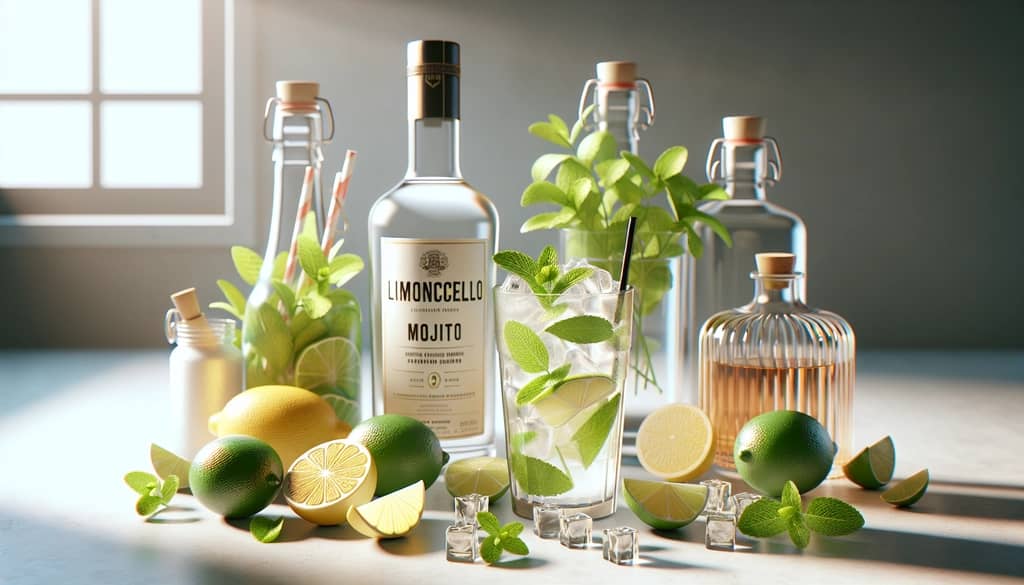
- 45 ml white rum
- 30 ml limoncello
- 15 ml fresh lime juice
- 10 fresh mint leaves (plus extra for garnish)
- 10 ml simple syrup (adjust to taste)
- 60 ml soda water (or to fill)
- Lemon wheel and mint sprig (for garnish)
- Place mint leaves and simple syrup in a tall glass. Gently press with a muddler to release aroma (do not tear).
- Add white rum, limoncello, and fresh lime juice.
- Fill the glass with ice cubes.
- Top with soda water and stir gently to mix.
- Garnish with a lemon wheel and a fresh mint sprig.
Key Takeaways: Limoncello Mojito vs Classic Mojito
- Limoncello mojito replaces some rum with limoncello, adding a bold lemon sweetness and aroma.
- The balance shifts toward softer, rounder citrus and less tartness compared to the classic mojito's sharp lime and grassy rum profile.
- Both drinks showcase mint, but limoncello’s natural sweetness offers new room for personalizing the drink’s sugar level.
- If you want a mojito with Amalfi Coast sunshine, limoncello mojito is the answer.