
Updated on: 6/3/2025

What Is Lion's Tail Tea? Herb, Recipe, and Cocktail Comparison
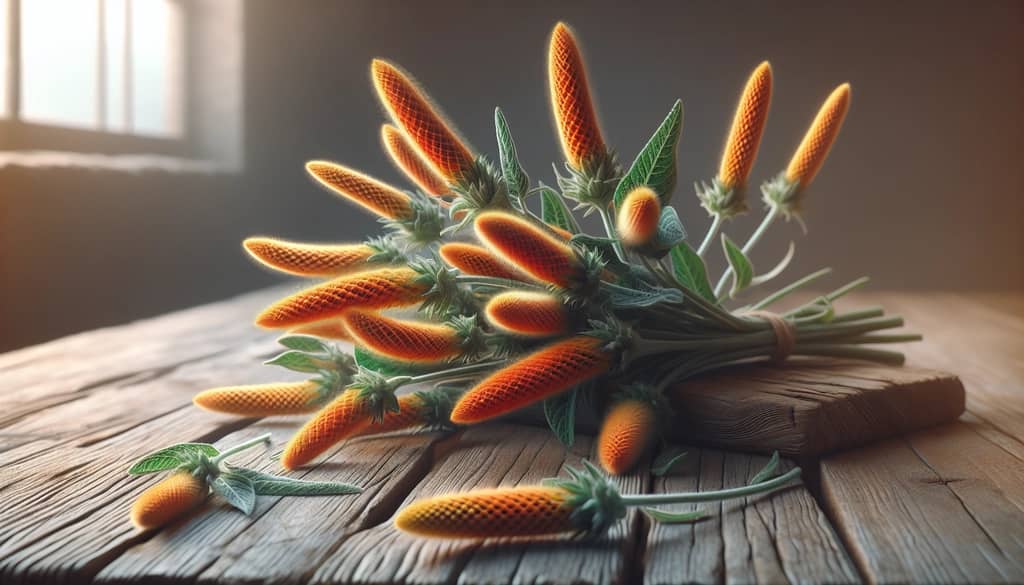
Lion's Tail tea and the Lion's Tail cocktail may share a name, but they couldn't be more different in their origins, effects, and uses. Lion's Tail tea comes from the Leonotis leonurus plant, sometimes called 'wild dagga' or 'lion's ear,' while the cocktail is a whiskey-based classic with a spicy twist. Here's a look at the plant behind the herbal tea, how to make it, and how this soothing infusion stands apart from its boozy namesake.
Leonotis leonurus: The Source of Lion's Tail Tea
Leonotis leonurus is a perennial shrub native to South Africa. Its bright orange tubular flowers, whorled around square stems, give rise to the name 'Lion's Tail.' This plant has a long history of traditional use by indigenous communities. Every part of the plant—leaves, flowers, and stems—has been brewed to create an earthy, slightly bitter tea promoted for its calming and mildly euphoric effects.
Lion's Tail Tea: Properties and Benefits
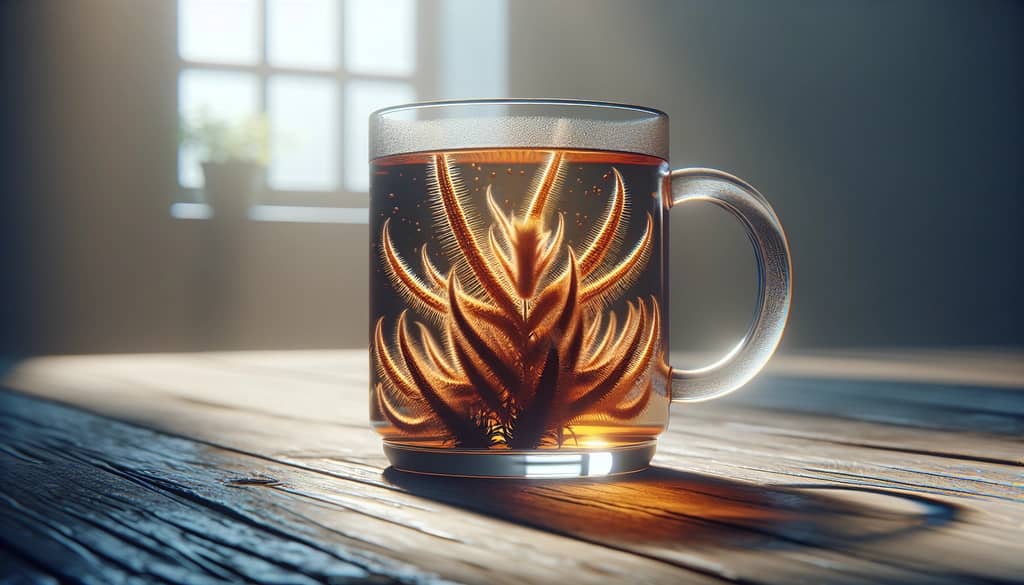
Lion's Tail tea is herbal and entirely free of alcohol or caffeine. Traditional uses include reducing mild pain, easing anxiety, and creating a sense of relaxation. The taste is earthy and herbal with subtle smoky notes, sometimes described as slightly astringent. While scientific research is limited, extracts of Leonotis leonurus have shown potential anti-inflammatory, antispasmodic, and mood-lifting properties. Always exercise caution and consult a qualified herbalist if trying new wild botanicals, especially if you have underlying conditions or take medication.
How to Make Lion's Tail Tea
Making Lion's Tail tea requires dried leaves or flowers from the Leonotis leonurus plant. Source from reputable herbal suppliers to avoid confusion with similarly named but unrelated ingredients.
- 500 ml filtered water
- 1–2 g dried Leonotis leonurus leaves or flowers (about 1–2 teaspoons)
- Optional: 5 ml honey or lemon slice, to taste
- Bring 500 ml water to a gentle boil.
- Add dried lion's tail herb to a teapot or infuser.
- Pour the hot water over the herbs.
- Steep for 5–10 minutes, covered.
- Strain into a cup. Add honey or lemon if desired.
Lion's Tail Tea vs. Lion's Tail Cocktail: Key Differences
- Lion's Tail tea is brewed from Leonotis leonurus plant matter, completely non-alcoholic and caffeine-free. The flavor is vegetal, earthy, and calming.
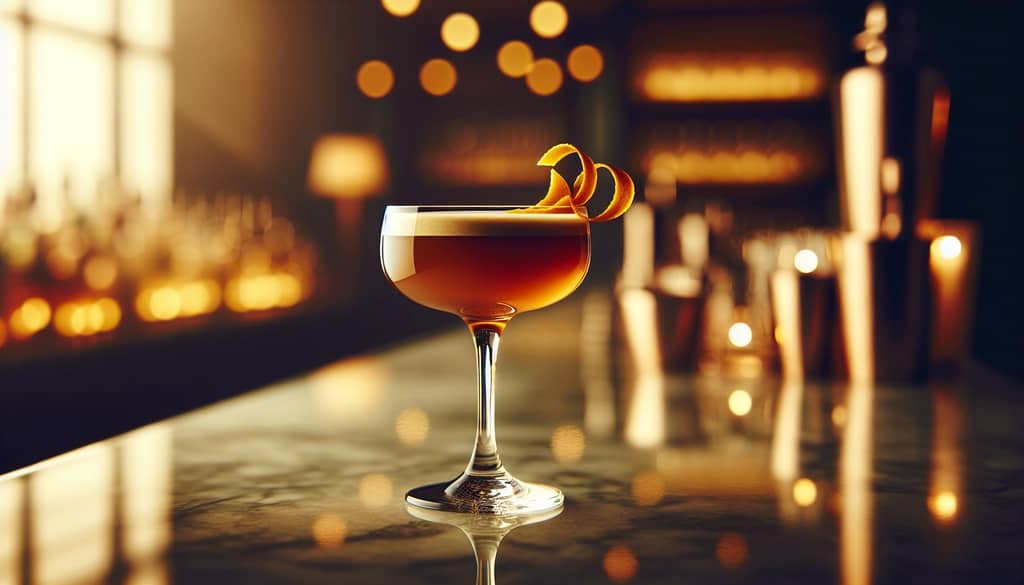
- The Lion's Tail cocktail is a Prohibition-era mixed drink blending whiskey, allspice dram, citrus, and bitters. It is aromatic, spicy, warming, and contains alcohol.
- The only link between them is the name; the cocktail's title alludes to 'kicking' spice (allspice dram), not the plant or tea.
- Lion's Tail tea is typically consumed for its soothing effect and traditional herbal uses, not as a recreational or celebratory beverage.
- Preparation methods are entirely different: infusion vs. shaking with ice and spirit ingredients.
FAQ: Lion's Tail Tea and Herb Safety
- Is Lion's Tail legal to use as tea? Leonotis leonurus is legal in most countries, with some restrictions in places like Poland and Latvia. Check local regulations before ordering.
- Can Lion's Tail tea cause a 'high'? While some users report mild euphoria or relaxation, the psychoactive effects are subtle compared to cannabis or alcohol.
- Any health risks? Most healthy adults tolerate small amounts, but side effects can include mild dizziness, dry mouth, or drowsiness. Avoid if pregnant, breastfeeding, or taking sedatives unless advised by your doctor.
Summary: Two Lion's Tails, Worlds Apart
Though they share a bold name, Lion's Tail tea and the Lion's Tail cocktail are distinct: one is a gentle, plant-based herbal infusion; the other, a spirited classic best enjoyed in the cocktail bar world. Understanding their origins and differences makes it easier to explore both safely and with intention.