
Updated on: 6/3/2025

What Are the Main Ingredients in Sweet Vermouth?
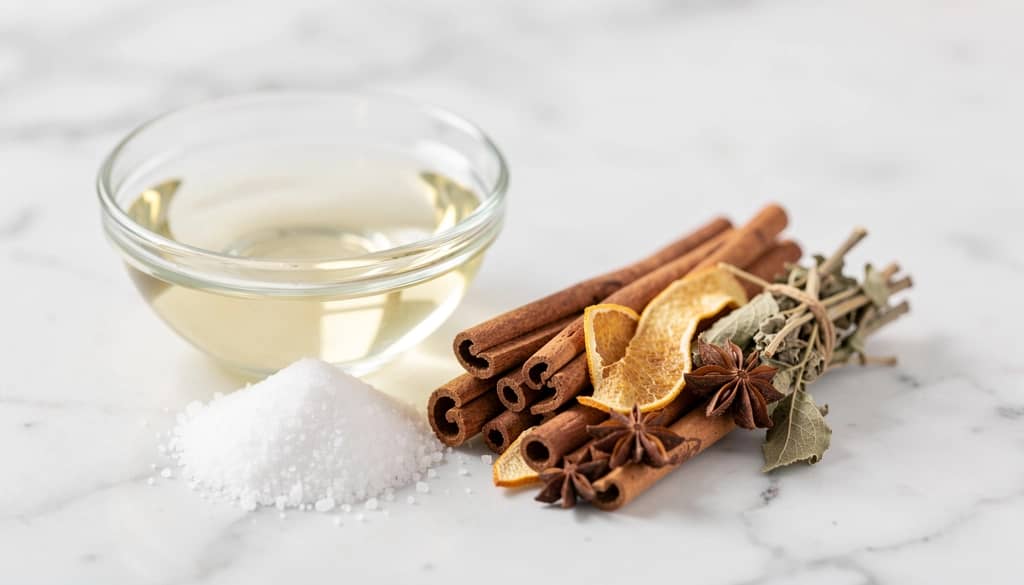
Sweet vermouth stands apart for its richly layered flavor, making it essential in classics like the Manhattan and Negroni. Many bottles differ, but some common ground exists across producers. If you’ve ever wondered what gives sweet vermouth its iconic taste and deep color, look to its carefully balanced ingredients.
The Core Building Blocks of Sweet Vermouth
- Base wine: Usually white wine, gently flavored, functions as the foundation of the vermouth’s body and aroma.
- Neutral spirit: Typically grape or grain-derived, this spirit fortifies the wine (usually to 15–18% ABV), stabilizes the mix, and helps extract botanicals.
- Sweetener: Sugar, most often cane-derived, or caramelized sugar, is used to achieve the signature richness and deep amber or ruby color seen in brands like Carpano Antica or Martini Rosso.
- Botanicals: A complex mixture—common botanicals include wormwood (Artemisia), cinnamon, clove, vanilla pods, bitter orange peel, angelica root, star anise, coriander, and gentian. These give depth, bitterness, and an aromatic finish.
What Sets Sweet Vermouth Apart?
Not all vermouth is sweet, but what distinguishes sweet vermouth is its elevated sugar content and the more robust, spice-driven bouquet. Producers use caramel not just for taste, but also for the deep mahogany or reddish hue that defines Italian-style vermouths. You'll often spot vanilla and baking spices on the nose, underpinned by the earthy, bittersweet tones of roots and wormwood.
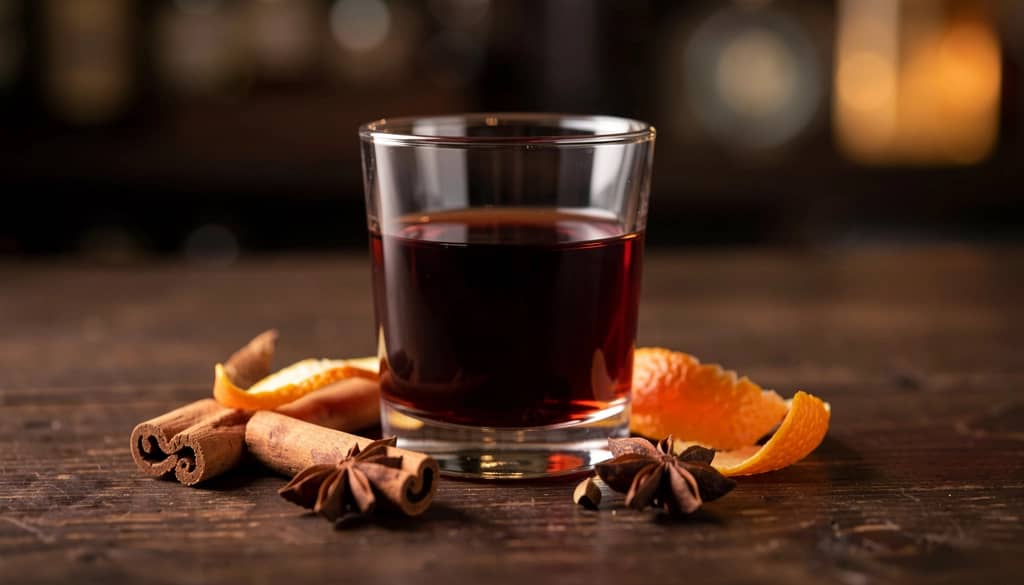
Typical Botanicals You’ll Find
- Wormwood: Essential for vermouth’s signature dry bitterness.
- Dried citrus peel: Offers brightness; orange peel is especially common.
- Cinnamon, clove, and nutmeg: Add warmth and complexity.
- Angelica root and gentian: Provide earthy, herbal undertones and structure.
- Star anise and coriander seed: Accentuate floral and spicy notes.
Every producer guards their precise botanical mix, but most maintain the backbone of wormwood and citrus, layered with baking spices, roots, and seeds. Mastering this balance is what makes the best sweet vermouths both versatile in cocktails and sippable on their own.