Updated on: 6/3/2025

The Mezcal Negroni: A Smoky Twist on a Classic
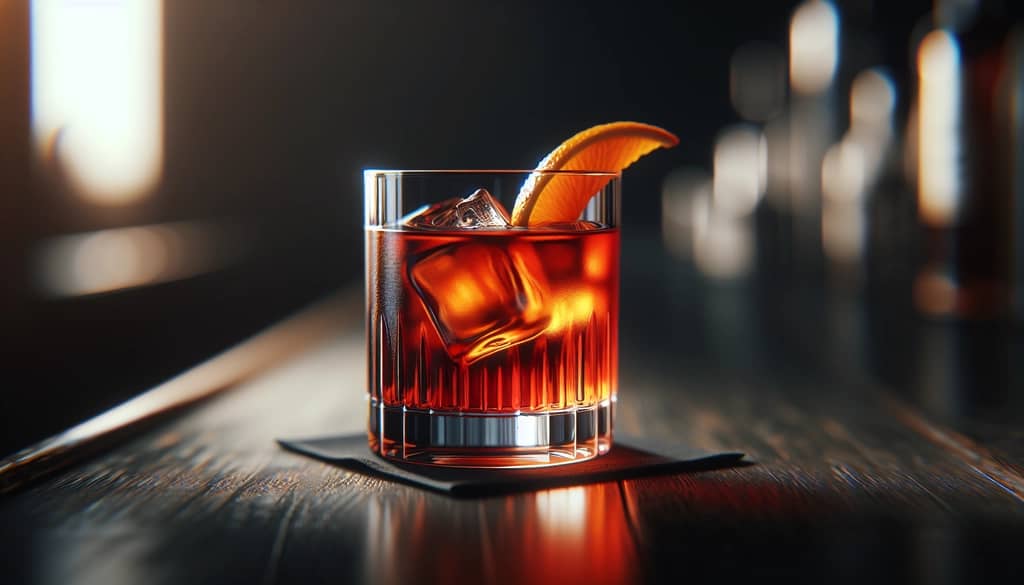
The Mezcal Negroni reimagines one of Italy’s most iconic cocktails by replacing gin with mezcal. The result is both familiar and unapologetically bold, introducing a smoky depth that’s become a favorite among adventurous drinkers and bartenders worldwide.
A Brief History of the Negroni—And Its Mezcal Offshoot
The classic Negroni—known for its equal-parts blend of gin, sweet vermouth, and Campari—originated in Florence, Italy around 1919. Legend credits Count Camillo Negroni with requesting a stronger version of his favorite Americano cocktail, leading a bartender to substitute gin for soda water. For decades, this ruby-red drink represented bittersweet sophistication. The mezcal negroni, however, is an invention of the cocktail renaissance of the 21st century, where global spirits and reinterpretation flourish. Its smoky variation is often traced to the United States and Mexico between the 2010s and today, showcasing mezcal’s rise as a craft spirit and its growing role in modern mixology.
Mezcal’s Allure: Culture, Terroir, and Flavor
Mezcal is Mexico’s ancient spirit, steeped in regional tradition. Unlike tequila, which must be made from Blue Weber agave, mezcal can be produced from more than 30 agave varieties and employs slower, wood-fired roasting. This endows mezcal with layered flavors—earth, green herbs, and unmistakeable smoke—making it a daring substitute for gin’s clean profile in the Negroni.
Flavor Profile: What to Expect From a Mezcal Negroni
Swapping gin for mezcal transforms the Negroni into a full sensory experience. Mezcal’s smoke hits first, followed by the vermouth’s herbs and Campari’s vibrant, bitter orange. The agave spirit brings a subtle sweetness and distinct earthy undertone, layering complexity on top of the classic cocktail’s original balance.
- Distinct smoke laced through bitter orange and herbal botanicals.
- A richer, rounder texture compared to gin.
- Slight earthy and mineral notes, especially with artisanal mezcal.
- Bitterness and sweetness are still present, but now embedded in deeper flavors.
Mezcal Negroni Recipe (Classic Proportions)
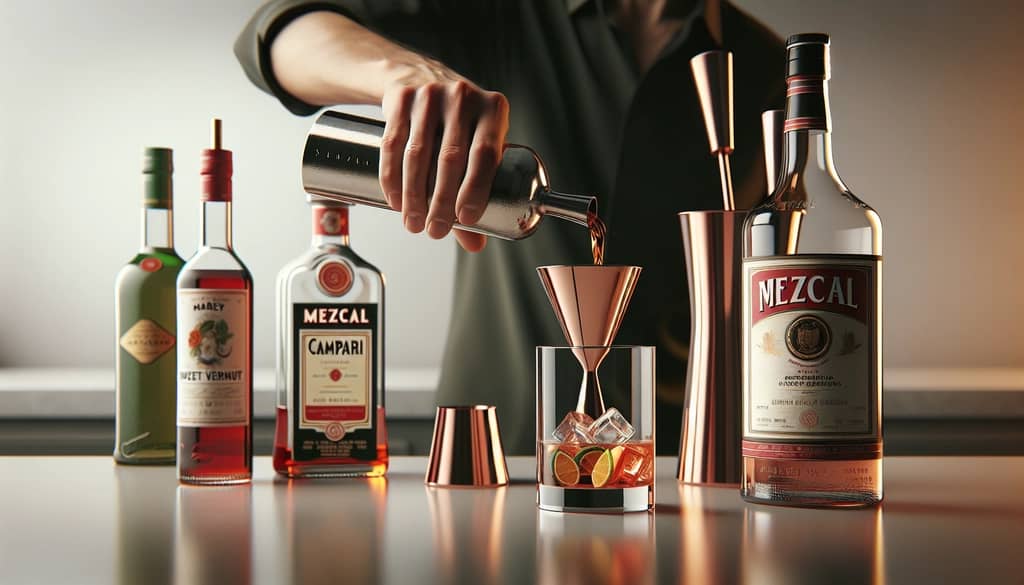
- 30 ml mezcal (choose joven or espadín for a balanced smoke)
- 30 ml Campari
- 30 ml sweet vermouth (Carpano Antica or Cocchi recommended)
- 1 orange peel (for garnish)
- Add mezcal, Campari, and sweet vermouth to a mixing glass filled with ice.
- Stir until well-chilled (20–30 seconds).
- Strain into an old fashioned glass over fresh ice (large cube preferred).
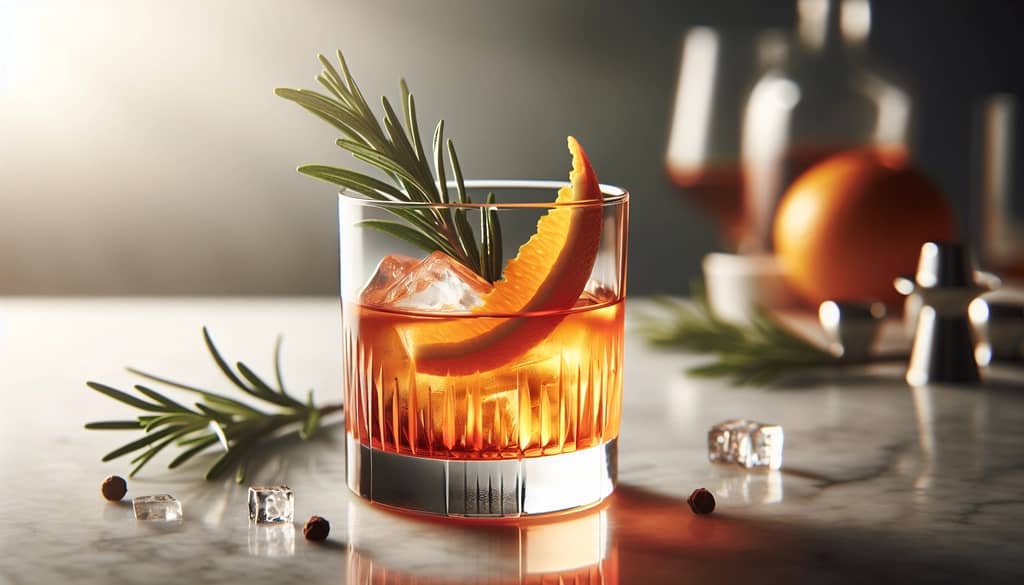
- Express the oils from an orange peel over the drink, then drop it in as garnish.
International Appeal: Why the Mezcal Negroni Resonates Abroad
Enthusiasts in Mexico, the United States, and even Europe embrace this cocktail for its capacity to showcase mezcal’s unique personality. In major cities, it’s found on both high-end and neighborhood bar menus. The mezcal negroni recipe highlights versatility—in Mexico, it’s a point of pride, a spirit-forward tribute to agave heritage, while abroad it signals cosmopolitan tastes for smoky, sophisticated flavors.
Variations and Creative Tweaks
The basic mezcal negroni recipe acts as a canvas for creativity. Some bars blend mezcal with other spirits for balance, swap in different bitters, or adjust proportions for sweetness or bitterness. These variations change intensity and flavor, but always keep mezcal’s smokiness at the forefront.
- “Oaxacan Negroni”: 15 ml mezcal and 15 ml reposado tequila as spirit base.
- Replace Campari with Aperol for less bitterness and more citrus.
- Try Cynar or other artichoke amari for added herbal complexity.
- Double the mezcal to amp up smoke, or use a wild agave species for deeper funk.
Serving and Enjoyment Tips
- Choose a young (joven) mezcal for clean, punchy smoke; wild agave varieties deliver more depth and funk.
- Always use quality sweet vermouth: fresh and well-chilled for best results.
- Large ice cubes or spheres dilute slower, preserving strong flavors.
- Experiment with different orange garnishes—flamed peels add a caramel note, while blood orange is more floral.