
Updated on: 6/3/2025

Are There Any Non-Alcoholic Regional Cocktails?
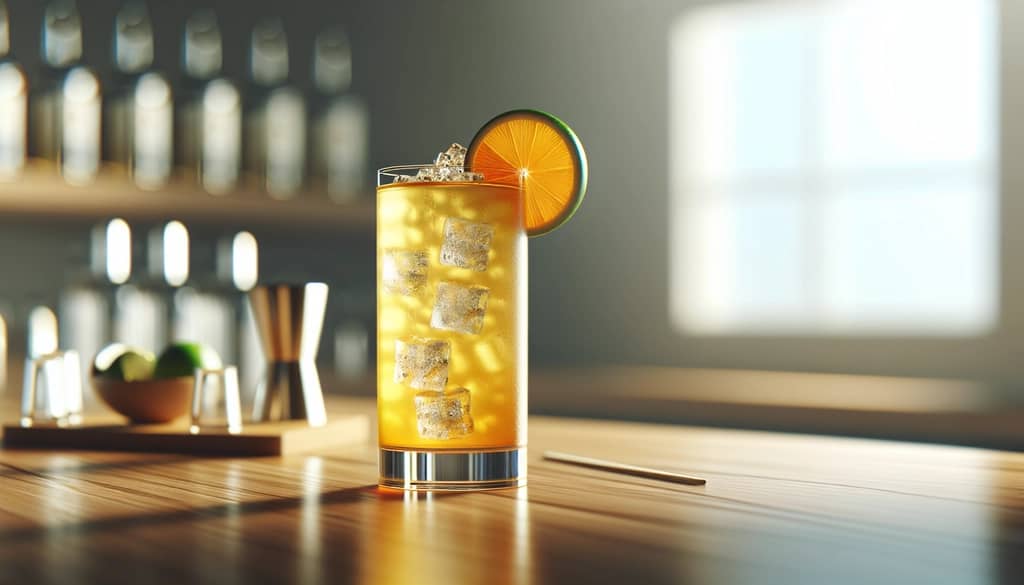
Many cultures around the world have crafted non-alcoholic drinks that offer the soul and sophistication of a traditional cocktail, all while reflecting regional tastes and heritage. These unique creations showcase local produce, spices, and preparation methods, resulting in vibrant beverages with deep sense of place—perfect for anyone exploring flavors beyond spirits.
Defining Non-Alcoholic Regional Cocktails
A non-alcoholic regional cocktail goes beyond a mocktail by capturing authentic local ingredients or long-standing drinking rituals. These beverages aren’t just spirit-free—they are expressions of their origin, often consumed in celebrations, hospitality, or daily traditions. Some began as alcohol-free servings, while others are creative adaptations of famous classics.
Examples of Regional Non-Alcoholic Cocktails
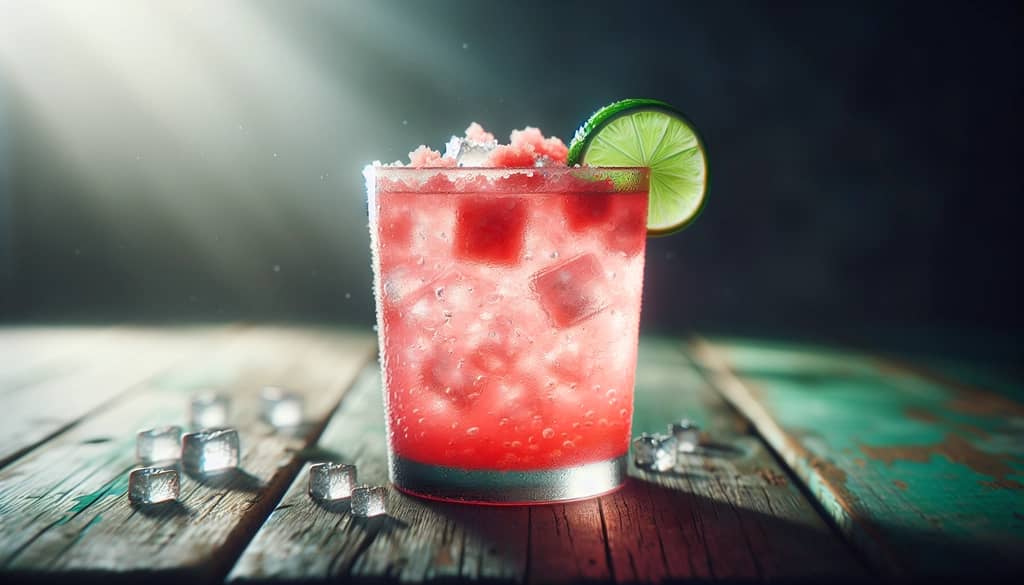
- Agua Fresca (Mexico): Fresh fruit, water, lime, sometimes fermented or spiced for depth. Classic summer street drink in countless flavors, from watermelon to tamarind.
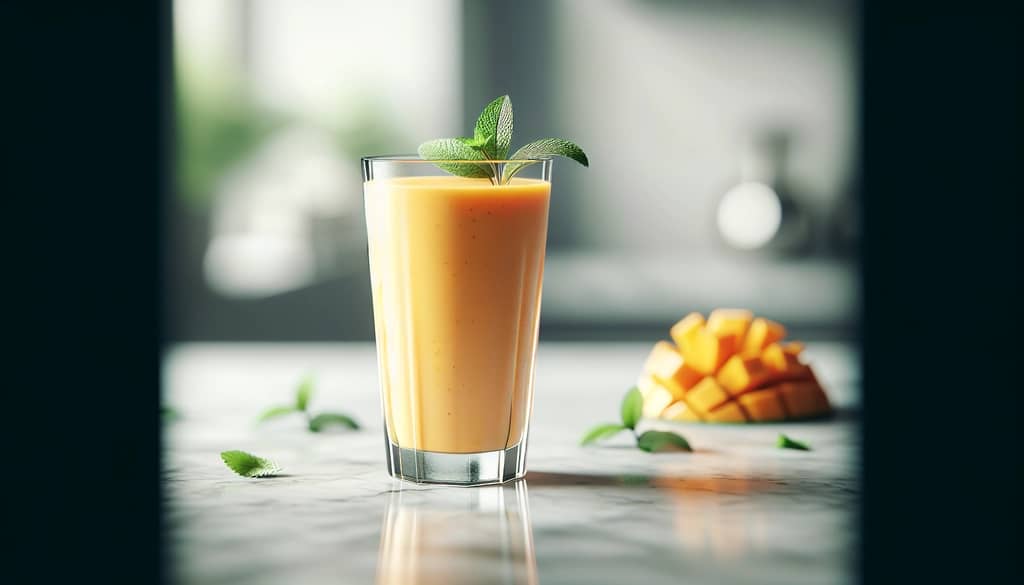
- Lassi (India): Yogurt-based, with mango, rosewater, or spices. Sweet or savory, cooling in hot climates.
- Suanmeitang (China): Smoked plum and herb infusion, tart and complex, traditionally enjoyed cold in summer.
- Switchel (Northeastern US/Canada): Ginger, apple cider vinegar, molasses or honey, water—rooted in colonial American tradition as a farm refresher.
- Iced Lemon Tea (Southeast Asia): Fresh lemon, strong tea, sugar; sweet-tart, robust—often found in glass mugs at hawker stalls in Singapore and Malaysia.
- Dawa (Kenya, Non-Alcoholic Version): Muddled lime, honey, crushed ice—without vodka. Zesty, refreshing, based on a local twist on the caipirinha.
Cultural Roots and Modern Adaptations
Not every non-alcoholic regional cocktail is centuries-old—modern bars and restaurants frequently reinterpret classics or craft new signature drinks using only local, non-alcoholic ingredients. For example, Scandinavian bartenders spotlighting sea buckthorn or spruce tip syrups, or Middle Eastern cafés serving creative combinations of rose, mint, and citrus.
How to Craft Your Own Regional-Inspired Mocktail
- Start with a base that mirrors the region: teas, fermented fruits, yogurt, or sparkling water.
- Blend in typical local flavors: native fruits, spices, herbs, syrups, or natural sweeteners.
- Balance acidity and sweetness for complexity, sometimes using citrus, vinegars, or pickled brines.
- Finish with an aromatic or visual garnish—fresh mint, fruit slices, edible flowers, or spice dust.
- Serve over plenty of ice, ideally in glassware traditional to the region.
When Alcohol-Free Means More Than Just a Substitute
Non-alcoholic regional cocktails aren’t just stand-ins for classics—they’re a window into tradition, hospitality, or geography. Whether you’re seeking a refreshing drink that tells a story or a sophisticated, alcohol-free way to toast, regional specialties invite deeper exploration and enjoyment far beyond a simple mocktail.