
Updated on: 6/3/2025

Are There Any Regional Variations in European Cocktails?
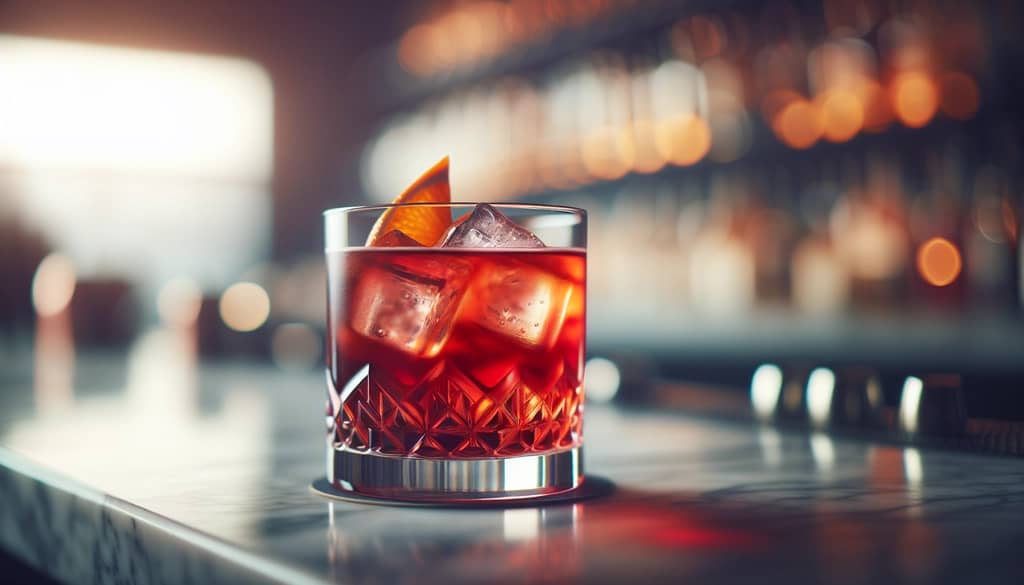
Europe’s cocktail culture is far from uniform; each country, and often each region within a country, brings its own traditions, ingredients, and drinking rituals to the glass. From bitter Italian aperitivi to crisp Eastern European infusions, the continent's diversity is expressed as much in its cocktails as in its food or languages.
Italian Aperitifs: Bitter Roots and Urban Ritual
Italian cocktails often highlight herbal, bittersweet flavors, many intended for sipping before a meal. The Negroni—combining gin, sweet vermouth, and Campari—is an emblem of this love for the aperitivo. In Northern cities like Milan and Turin, Aperol Spritz or Americanos are common, emphasizing community and the culture of winding down after work with a light, elegant drink.
France: Champagne Cocktails and Refined Sips
French cocktail tradition leans into elegance, showcasing the country’s world-class wine and spirits. Drinks like the French 75—built with gin, lemon juice, simple syrup, and topped off with sparkling wine—highlight the importance of texture and finesse. In Cognac-producing regions, cocktails may feature brandy or local aromatised wines.

United Kingdom: Fruity Cups and Botanical Spirits
The UK’s cocktail personality is marked by drinks built for sociability and gardens. The Pimm’s Cup—featuring Pimm’s No. 1, lemonade, and fresh fruits—carries a distinctly British flair and is a summer icon. Gin & tonic owes its modern identity to British colonial history, but today’s versions often use local craft gins and seasonal garnishes to reflect regional tastes.
Spain: Vermouth, Sherry, and Spanish Gin
In Spain, the tradition of the 'vermut' hour brings locals together over chilled vermouth blended with soda or citrus. In Southern cities, cocktails often showcase sherry or Spanish brandies. The Spanish Gin & Tonic has evolved as a showcase for exotic gins and vibrant garnishes, often oversized and packed with botanicals—very different from its British cousin.
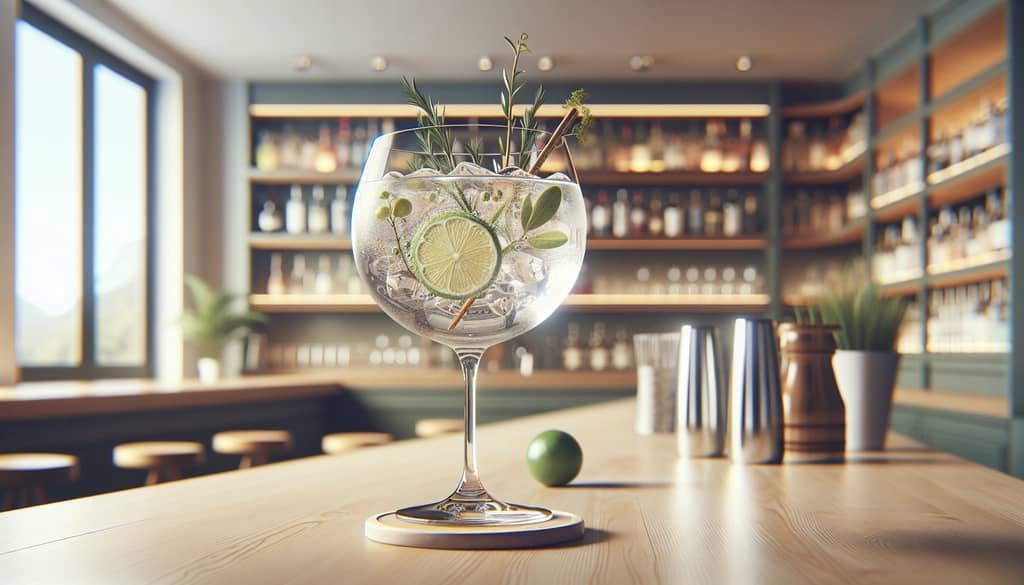
Eastern Europe: Vodka Traditions and House Infusions
Vodka dominates Eastern European cocktails, so drinks lean on infusions and seasonal produce. Poland and Russia favor vodka-based highballs, often flavored with local berries, herbs, or honey. In the Balkans, local fruit brandies (like slivovitz) are often sipped neat, but some bartenders are now folding them into contemporary cocktails for a regional twist.
Why Regional Variations Matter in European Cocktails
Ingredients available, local spirit production, social customs, and climate all combine to shape Europe’s distinctive cocktail scenes. Whether sipping a bitter Negroni in Italy, a sparkling French 75 in Paris, or a berry-laced vodka highball in Poland, each drink acts as an expression of place. For cocktail enthusiasts, exploring regional variations is a delicious path into culture itself.