Updated on: 6/3/2025

Are There Any Safety Tips for Making Hard Cocktails?

Crafting complex or potent cocktails brings a sense of adventure—but it also introduces a handful of real-world hazards. Whether your drink features high-proof spirits, involves advanced tools, or uses intense flavorings, prioritizing safety is as crucial as nailing that perfect pour. Serious cocktail fans, home bartenders, and professionals alike can benefit from a clear-eyed approach to safety behind the bar.
Alcohol Handling: Safe Dosage and Storage
- Keep all spirits and liqueurs stored securely out of reach of children and pets.
- Read and respect the ABV (alcohol by volume) of your spirits. High-proof liquors (over 50% ABV) can ignite, so avoid using them near open flames unless the recipe specifically calls for it.
- Use proper glassware rated to handle both very cold and hot ingredients if the cocktail includes temperature extremes. Sudden shifts can shatter lesser glassware.
Flaming and High-Pressure Techniques
- Always keep a fire extinguisher or fire blanket within easy reach if you attempt flaming garnishes or flamed drinks.
- Use only kitchen-safe butane torches and never attempt to ignite alcohol in glassware not rated for flame exposure.
- When carbonating cocktails (with CO₂ chargers or siphons), follow manufacturer instructions strictly. Overfilling can cause explosive spray or shattering.
Ventilation: Strong Aromatics and Smoke
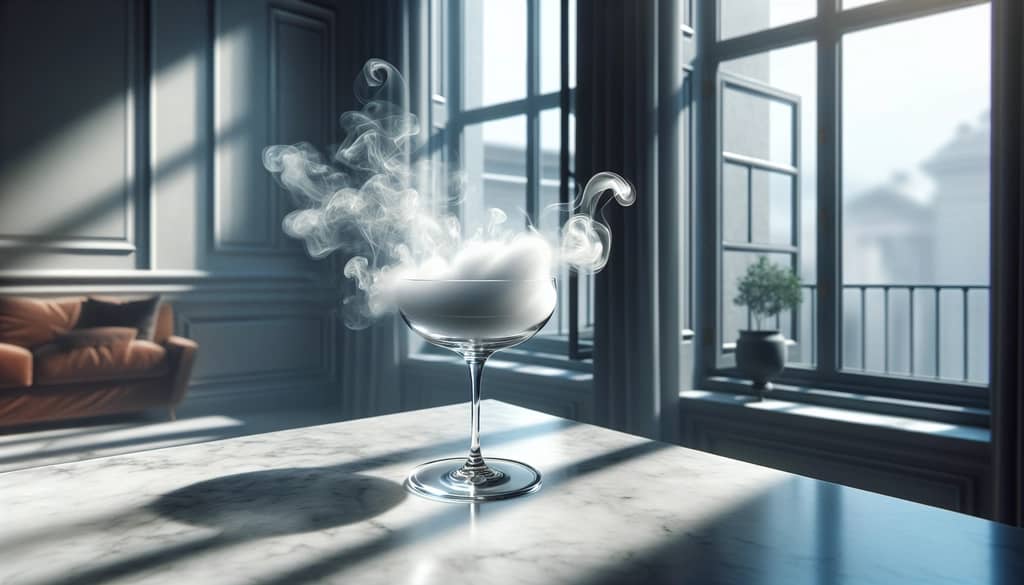
Handling ingredients like absinthe, overproof rum, or liquid smoke demands respect for your environment. These can create powerful aromas and, in some cases, airborne irritants.
- Open a window or use a kitchen vent when working with smoke, high-proof spirits, or volatile flavorings.
- Avoid inhaling vapors from freshly charred wood chips or flamed cocktails.
Sharp Tools and Bar Equipment
- Always keep knives and peelers sharp—dull tools are likelier to slip. Never cut fruit in your hand; use a cutting board.
- When assembling a shaker, ensure both parts are secure before shaking. A loose seal causes spills and possible cuts from flying tins.
- Respect bladed bar tools like zesters and swizzle sticks. Rinse and dry after use to prevent rust or foodborne hazards.
Personal Safety and Moderate Serving
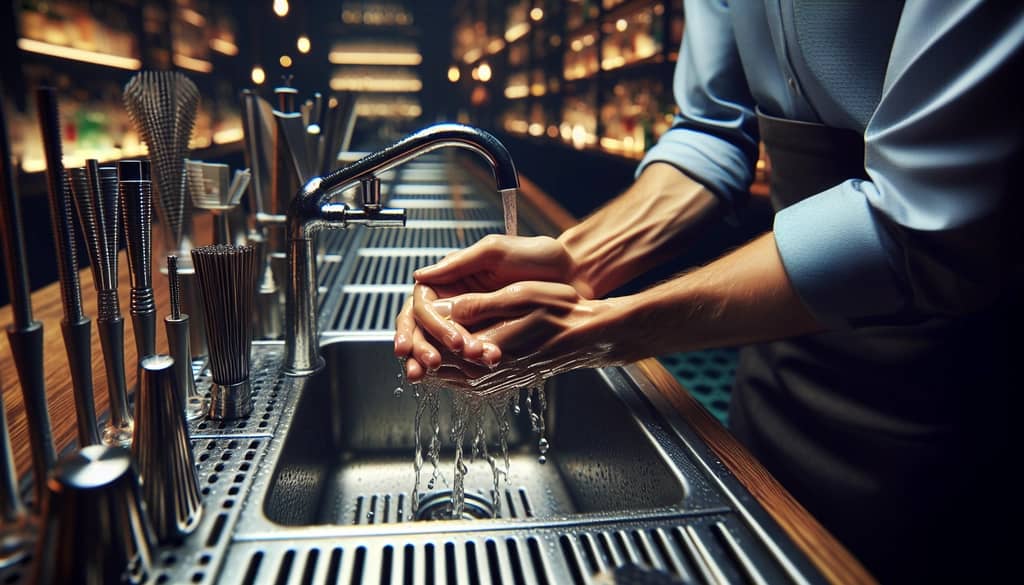
- Wash hands thoroughly after handling chili, citrus peel, or oils; residues can irritate eyes and skin.
- Never serve hard cocktails to visibly intoxicated guests. High-strength cocktails can escalate impairment more quickly than lower-ABV drinks.
Quick Checklist: Cocktail Safety in Practice
- Store alcohol and tools safely
- Treat fire and carbonation as real hazards
- Ventilate for strong aromas and smoke
- Sharpen and handle all tools carefully
- Wash hands and be mindful of serving limits
A hard cocktail is only worth the effort if you finish the night without accidents, spills, or unwanted surprises. Tending to the details—ventilation, proper gear, clean work, moderate measures—will keep every pour enjoyable, safe, and memorable.