
Updated on: 6/3/2025

Is There a Specific Way to Taste Tequila?
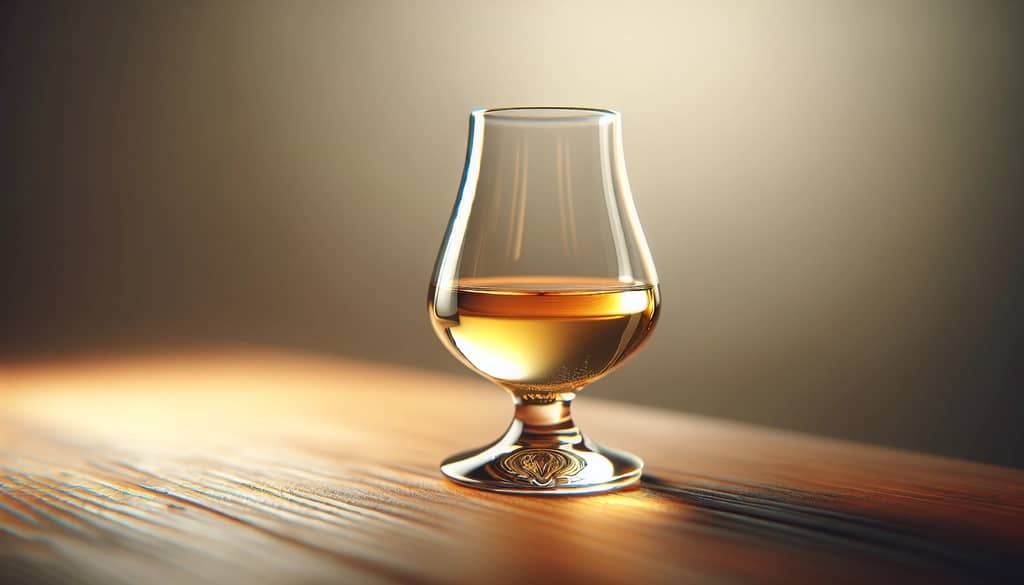
Exploring tequila goes well beyond simply taking a shot with salt and lime. Each style of tequila—blanco, reposado, añejo—offers unique aromas and flavors that reveal themselves through careful tasting. For anyone looking to truly understand and evaluate tequila, approaching the spirit with intention is key.
Why Tequila Deserves a Proper Tasting
Tequila is crafted from blue agave and developed with as much expertise as the world’s best whiskeys or cognacs. High-quality tequila carries notes ranging from cooked agave and citrus to caramel, pepper, and even subtle oak. Rushed drinking only flattens those characteristics. Slowing down the tasting process makes it possible to appreciate the full spectrum of aromas and flavors, spot differences between brands, and train your palate to pick up on subtle cues.
How to Taste Tequila Like an Expert
- Pour 30–45 ml tequila into a clean tasting glass—not a shot glass. A tulip-shaped glass (like a sherry or small white wine glass) helps funnel aromas.
- Hold the glass up to the light. Examine the color to gauge agave age and time spent in barrels. Blanco is clear, reposado shows pale gold, while añejo can range from deep amber to copper.
- Swirl gently to coat the glass walls, watching how the tequila drips—legs indicate alcohol content and body.
- Bring the glass to your nose and sniff lightly, mouth open. Try to detect the top notes: is it grassy, floral, citrus, spicy, or sweet? Avoid jamming your nose in—alcohol evaporates quickly and can overwhelm delicate aromas.
- Take a small sip and let it coat your tongue. Notice the initial flavors, the mouthfeel (creamy, oily, sharp), and the aftertaste. Swish slightly to reach every area of your palate.
- Exhale gently through your nose after swallowing—a technique known as 'retro-olfaction'—to further reveal underlying aromas.
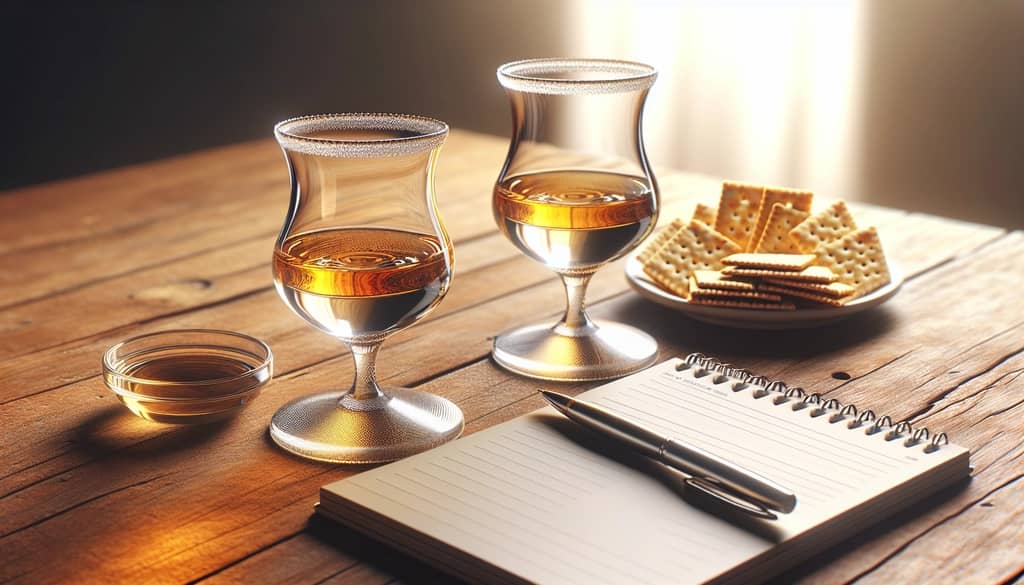
- In between tastings, sip a bit of water or eat a plain cracker to cleanse your palate.
Tips for Getting the Most from a Tequila Tasting
- Taste at room temperature, as cold dulls the nuanced flavors.
- Avoid strong-scented soaps, candles, or food nearby that can interfere with aroma.
- Compare different tequilas side-by-side: try blanco, reposado, and añejo from the same producer to highlight contrasts.
- Write down your impressions—the act of noting aromas and flavors helps develop your sensory memory.
What Should Tequila Taste Like?
Expect differences based on age category. Blanco brings pronounced agave and citrus, often with a peppery bite. Reposado is mellower, gaining honey, vanilla, and soft wood notes from its brief barrel rest. Añejo is smooth and rounded, offering caramel, dried fruit, spice, and deeper oak influence. Above all, high-quality tequila should never taste harsh, overly bitter, or astringent.
Common Mistakes When Tasting Tequila
- Tossing it back as a shot and missing the complexity.
- Using heavily chilled or flavored glasses, which reduce aroma.
- Over-powering your palate with lime or salt before you’ve tasted the spirit alone.