
Updated on: 6/3/2025

Tips for Selecting the Best Fruits and Vegetables for Cocktails
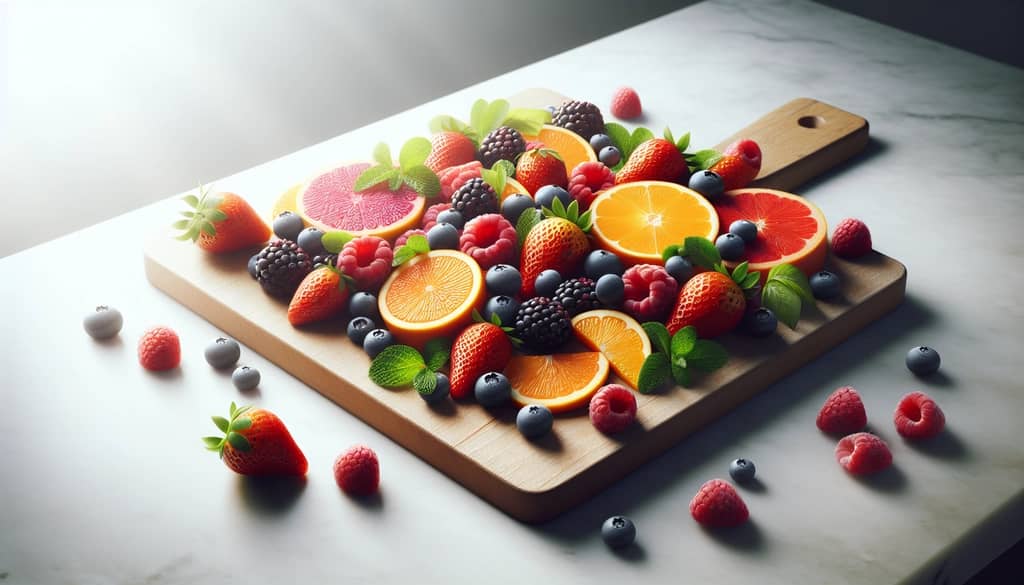
Choosing the right fruits and vegetables can elevate the aroma, texture, and flavor of any cocktail, making each sip truly memorable. Bartenders and home enthusiasts alike benefit from a few simple guidelines when selecting produce for muddling, garnishing, or juicing.
Prioritize Freshness and Ripeness
Fresh, ripe produce delivers brighter flavors, juicier textures, and more appealing aromas in cocktails. Underripe or old fruits and vegetables can taste flat or bitter, detracting from the drink’s balance.
- Look for firm produce without blemishes or bruising.
- Fruits should feel heavy for their size—an indicator of juiciness.
- Favor ripe, fragrant items that yield slightly under gentle pressure.
Go Organic When Possible
Organic fruits and vegetables are often preferred for cocktails because they’re grown without synthetic pesticides or chemicals—especially important when zesting, muddling, or using skins in the glass. Even small residues can change the drink’s taste.
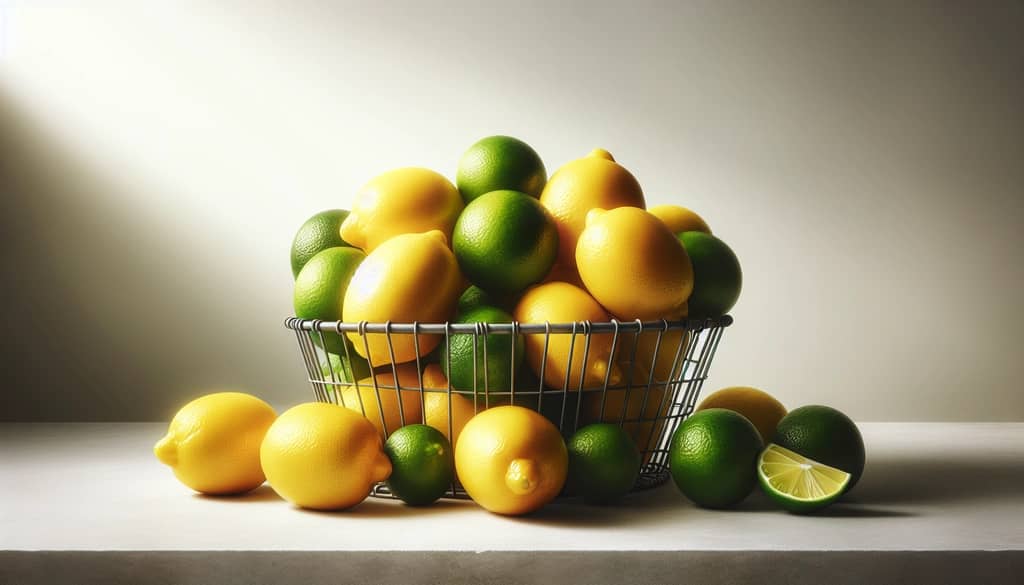
- Choose organic options for citrus and berries, as these are commonly used whole or with peel.
- When organic isn’t available, thoroughly wash and scrub produce to remove surface residues.
Choose Seasonal Produce
Seasonal fruits and vegetables usually offer superior flavor and value. Freshly harvested produce is picked at peak ripeness, giving cocktails their most vivid, natural qualities—think juicy watermelon in summer or crisp apples in autumn.
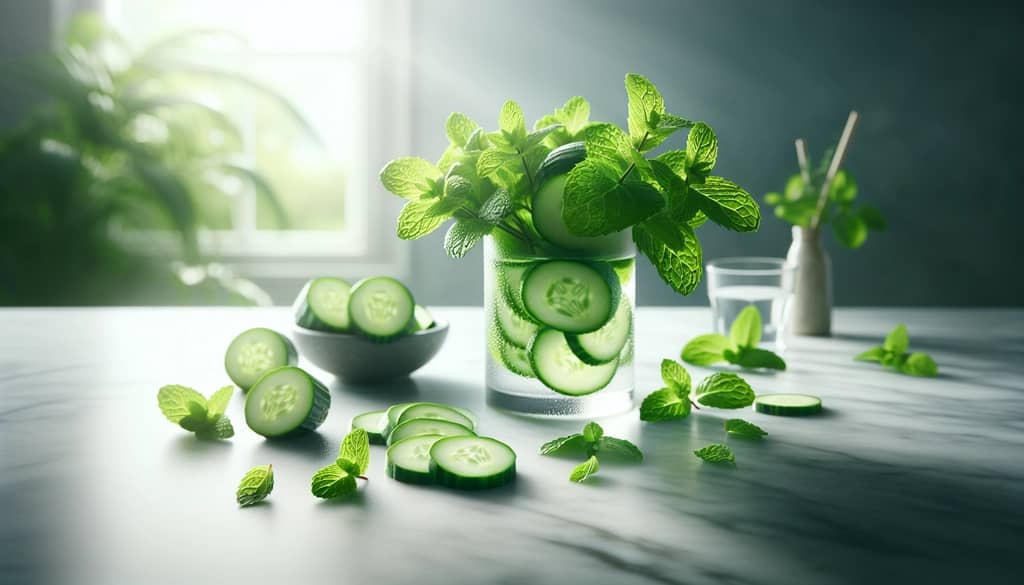
- Visit local farmers’ markets for in-season varieties like strawberries, stone fruit, or cucumbers.
- Adapt cocktail recipes to showcase what’s best each month—seasonality brings both flavor and novelty to the glass.
Handle and Store Produce Properly
Even the best produce loses quality if stored poorly. Keep fruits and vegetables chilled if needed, and use them promptly for maximum freshness and minimal nutrient loss.
- Refrigerate berries, leafy greens, and cut produce; let tropical fruits ripen at room temperature.
- Prep only what you’ll use—cut fruits oxidize and lose flavor over time.
- For zesty garnishes, zest citrus right before serving to capture their essential oils.
Taste and Adjust
Every batch of fruit or vegetables can have its own sweetness, acidity, or bitterness. Always taste test before committing ingredients to a cocktail. Adjust syrups or citrus as needed—for truly great drinks, flexibility is key.
- Sample citrus for tartness before juicing; some limes are milder or more sour depending on the crop.
- If produce is especially tart or sweet, modify the cocktail’s sugar or acid for balance.