
Written by: Olivia Bennett
Updated on: 6/3/2025
Updated on: 6/3/2025
Favourite
Share
Tips for Selecting High-Quality Spirits
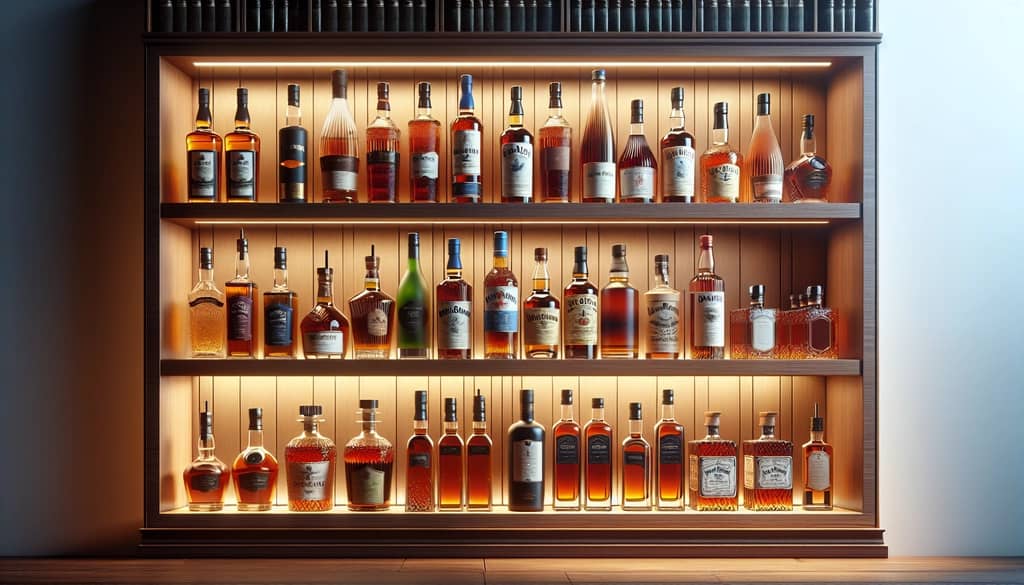
Choosing a high-quality spirit is about more than just price or packaging. Discerning drinkers and home bartenders alike benefit from considering several key factors when selecting bottles for their collection or next cocktail.
Key Considerations When Choosing Spirits
- Check the brand's reputation: Established brands with heritage often maintain consistent quality. Small-batch or craft producers can also be excellent; research their story and accolades.
- Read credible reviews: Seek opinions from trusted sources like spirits competitions, expert reviewers, and respected industry publications. Pay attention to tasting notes that match your preferences.
- Consider the spirit’s origin: Geographic indications (like Scotch whisky, Cognac, or Tequila) can be a mark of authenticity and quality, as they must adhere to strict production standards.
- Understand the production process: Spirits made with traditional methods, careful distillation, and natural ingredients usually offer superior flavor and purity. Look for bottles that specify pot-distilling, long aging, or single origin sources.
- Taste before you buy, when possible: Attend tastings or sample spirits at bars to explore a variety of styles and producers. Building your palate is the fastest way to tell good from ordinary.
How to Read Labels and Spot Quality Markers
- Look for age statements: Whiskies, rums, and some brandies mention aging duration (e.g., 12 years). Authentic aging generally enhances complexity.
- Seek out production details: Mentions of small batch, pot still, or single estate production can signal careful craft.
- Watch for authenticity seals: Appellations and certification symbols (like Denomination of Origin) indicate adherence to quality standards.
- Prefer natural over artificial: Spirits that disclose no artificial colors or flavorings usually provide more genuine character.

Refining Your Palate Through Tasting
Personal experience is one of the best teachers. Tasting a variety of spirits side by side reveals differences in quality, aroma, and flavor profile you can't get from reading alone.
- Attend organized tastings where you can sample different brands and styles with expert guidance.
- At home, pour small 20–30 ml samples of several spirits in clean glasses. Take time to observe color, nose, and taste, noting preferences and differences.
- Keep a tasting notebook, jotting down impressions, notes, and standout bottles. Your palate will become more discerning with practice.

Final Suggestions for Selecting Spirits
- Avoid impulse buys based on bottle shape or flashy packaging; substance matters more than style.
- Ask knowledgeable staff at specialty stores or cocktail bars for recommendations tailored to your taste.
- Pay attention to your own preferences: There’s no universal ‘best,’ but higher-quality spirits are always worth the thoughtful selection.