
Written by: Ethan Parker
Updated on: 6/3/2025
Updated on: 6/3/2025
Favourite
Share
What Does 'Built' Mean in Cocktail Making?
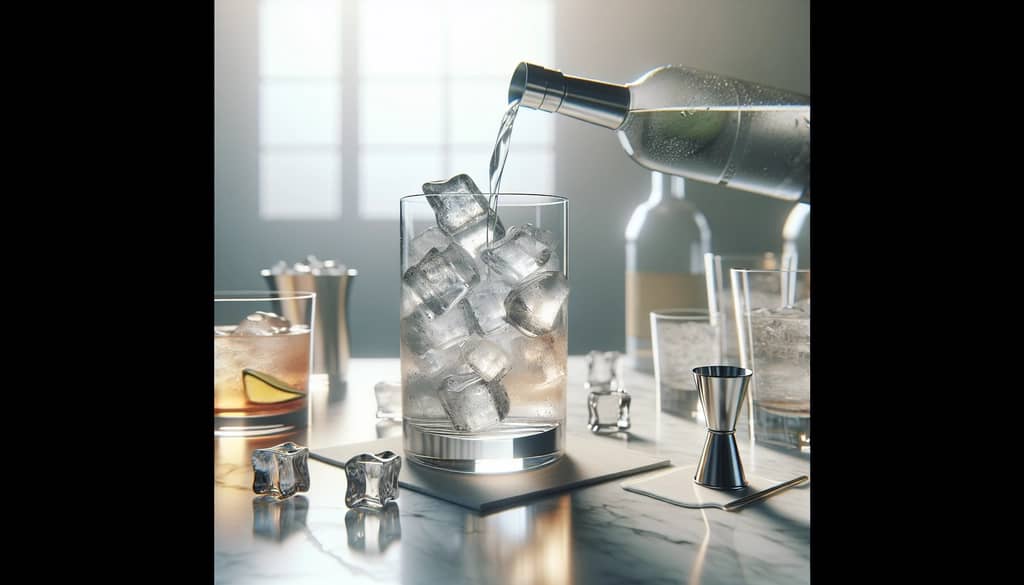
In cocktail making, the term 'built' describes a technique where all the ingredients are poured sequentially into the serving glass, often directly over ice. Instead of using a shaker or a separate mixing glass, everything happens right in the vessel you'll drink from.
How the Built Method Works
- Select the serving glass—commonly a highball, Old Fashioned, or rocks glass.
- Fill the glass with fresh ice.
- Pour each ingredient (spirit, mixer, syrup, juice) directly into the glass, typically starting with the heavier or base spirits and finishing with lighter elements like soda.
- Some built drinks might get a gentle stir to encourage mixing, but vigorous shaking or stirring is rarely used.
Why Use the Built Technique?
- Built cocktails save time and cleanup since no separate shaker or strainer is needed.
- This method preserves distinct ingredient layers in some drinks, creating visual appeal—think tequila sunrise or some spritzers.
- It's perfect for carbonated ingredients, since shaking sodas or sparkling wine causes excess fizz and loss of bubbles.
Classic Built Cocktails
- Gin & Tonic: 60 ml gin, 120 ml tonic water, built over ice in a highball glass.
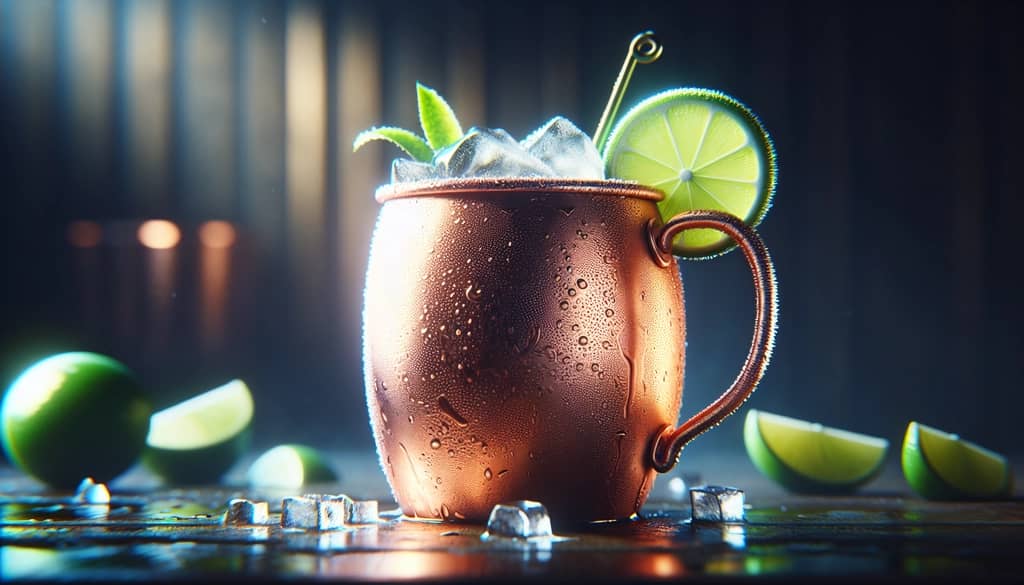
- Moscow Mule: 60 ml vodka, 120 ml ginger beer, 10 ml lime juice, built over ice in a copper mug.
- Rum & Coke: 60 ml rum, 120 ml cola, built over ice in a tall glass.
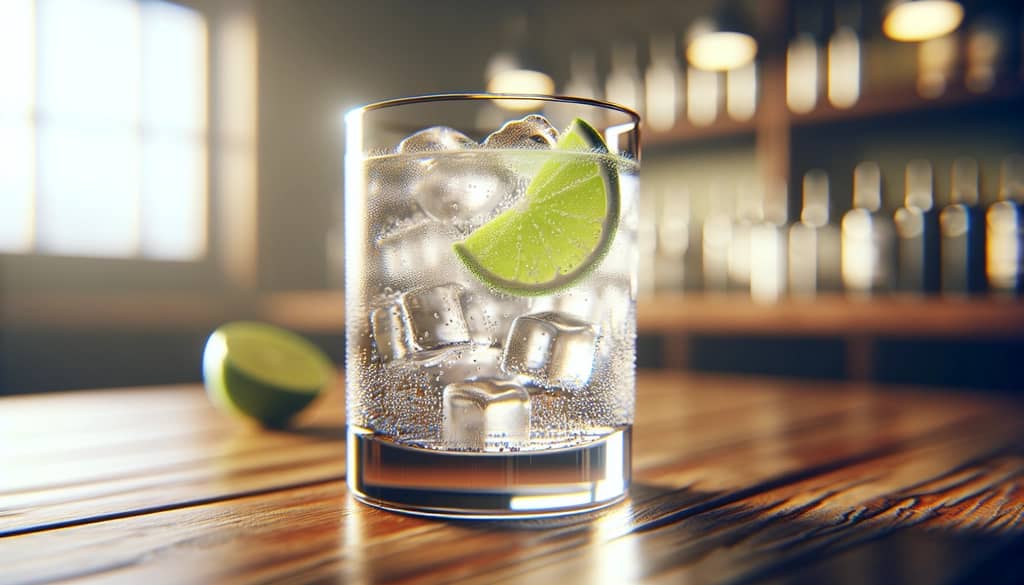
Tips for Building Better Drinks
- Always use fresh, clean ice; cloudy or melting ice dilutes your drink and muddies flavors.
- Pour heavier ingredients first and top with lighter or carbonated mixers.
- If needed, stir gently with a bar spoon for even flavor, but leave some drinks partially mixed for visual layering.
- Garnish last—citrus, herbs, or berries add aroma and finish.
The built method keeps cocktail making straightforward while still offering control over flavors and presentation. For highball and simple mixed drinks, it’s often the go-to technique behind any bar.