Updated on: 6/3/2025

What Is Tequila Made From?

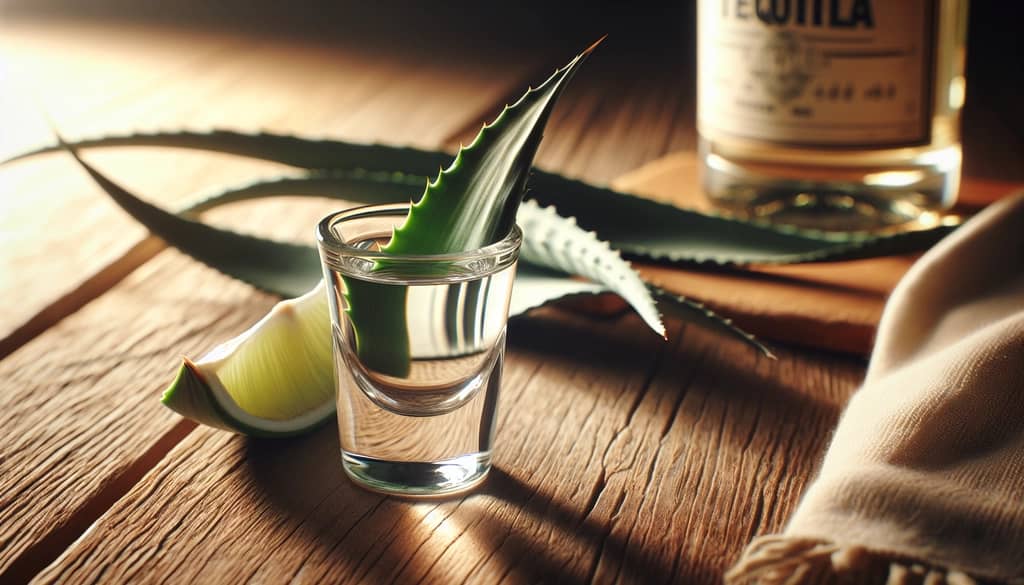
Every bottle of tequila begins its life in the arid fields of Jalisco, Mexico, and a handful of neighboring regions. The spirit’s unique identity comes from the heart of the Blue Weber Agave—a large, spiky succulent that grows for years before it’s ready to harvest.
The Blue Weber Agave: Tequila’s Sole Source
For tequila to be legally called tequila, it must be made from at least 51% Blue Weber Agave (Agave tequilana). Premium and artisanal brands use 100% agave for a purer, more vibrant flavor, free from additives and sugars from other sources.
- Blue Weber Agave is native to Mexico, mainly grown in Jalisco and a few official regions.
- The agave plant takes 7 to 8 years (sometimes longer) to reach maturity.
- The "piña"—the dense, starchy heart of the agave—is harvested by hand using a sharp coa machete.
From Agave to Tequila: The Core Steps
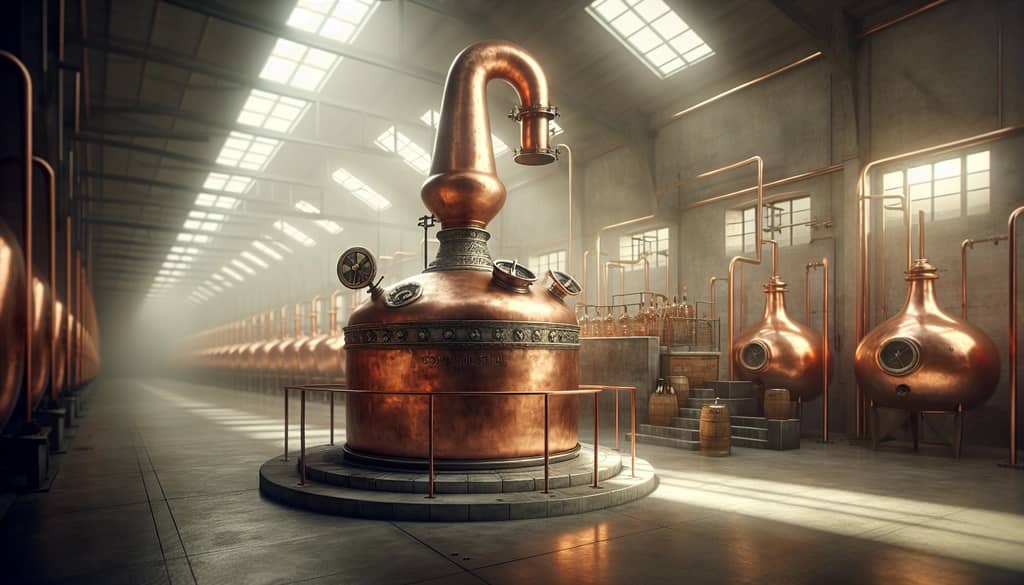
Once harvested, the process of transforming agave into tequila is both traditional and precise. Here’s how agave becomes the spirit in your glass:
- The agave piñas are slow-cooked in ovens (steam, brick, or modern) to convert starches into fermentable sugars.
- Cooked agave is crushed or shredded to extract the sweet, juicy liquid called "aguamiel."
- This juice ferments naturally or with added yeast, producing a low-alcohol wash.
- Double distillation yields a clear spirit—tequila blanco—which can be bottled as is or aged (reposado, añejo) in oak.
Why Blue Weber Agave Matters
Unlike most spirits, tequila’s character comes almost entirely from this one plant. Blue Weber Agave provides earthy, peppery, and citrusy notes, shaped by soil, altitude, and growing conditions—much like wine grapes.
- Tequilas labeled "100% agave" reflect the purest expression—no added sugars or flavorings.
- "Mixto" tequilas (at least 51% agave) include neutral spirits or sugars from other sources—resulting in lighter, less complex flavors.
- Region, soil, and harvest age add subtle differences to aroma, flavor, and mouthfeel.