
Updated on: 6/3/2025

What Makes the Japanese Highball Unique?
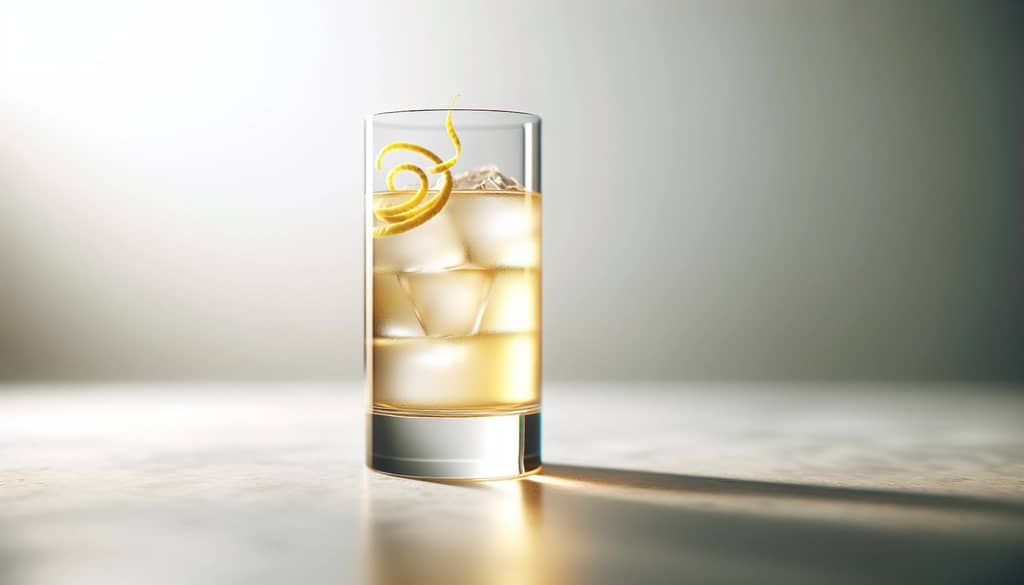
Few drinks better exemplify the elegance and restraint of Japanese bartending than the Japanese Highball. While highball cocktails around the world share a basic structure—spirit, sparkling mixer, and ice—the Japanese Highball has earned a cult reputation for its singular focus on finesse, clarity of flavor, and almost ceremonial preparation.
A Highball Built on Philosophy, Not Flash
At heart, the Japanese Highball is an expression of minimalism: just Japanese whisky, chilled soda water, and ice. But what sets it apart goes far beyond ingredients. It’s a philosophy rooted in Japanese hospitality—omotenashi—and the pursuit of perfection through repetition, ritual, and subtlety.
The Japanese Whisky Advantage
Japanese whisky is the backbone of this drink. Distilleries like Suntory and Nikka have built their craft on delicate blending, precision, and aging in both American oak and native Mizunara wood. The result is a whisky profile that's often lighter, softer, and more nuanced than many Scottish or American styles—crucial in a drink that amplifies, rather than hides, its base spirit.
Look for flavor notes ranging from orchard fruit and honey to subtle smoke or sandalwood, especially when using high-quality Japanese whisky. The highball’s simplicity demands a balanced whisky; bitterness, excessive peat, or aggressive sweetness easily overwhelm the drink.
Precision in Preparation: The Art of the Japanese Highball
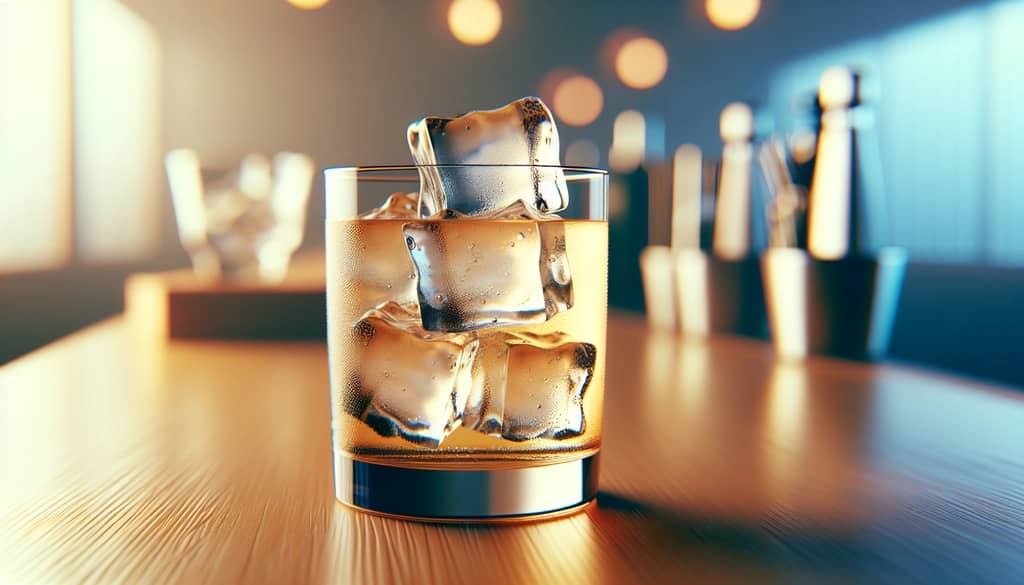
While most highballs worldwide are assembled briskly—ice, whisky, mixer—the Japanese approach verges on ritual. Glass, mixer, and whisky are always chilled; large, clear cubes or carved ice spheres are preferred to slow dilution. Bartenders stir or tumble the whisky with ice to chill thoroughly before adding soda water with care, often using a bar spoon to preserve its fine bubbles.
Key Features That Distinguish the Japanese Highball
- Meticulous chilling and layering to ensure perfect dilution and carbonation.
- Highly clarified or carved ice—free from cloudiness and odors.
- Quietly complex Japanese whisky, which stays in focus instead of fading behind mixers.
- Top-quality, fresh soda water—often dispensed under high CO2 pressure for extra-fine bubbles.
- Optional minimalist garnish—just a whisper of citrus zest.
Authentic Japanese Highball Recipe
Creating an authentic Japanese Highball at home isn’t about complicated recipes; it’s about care, clarity, and restraint. Here’s a standard recipe, using ml for precision.
- 45 ml Japanese whisky (e.g., Suntory Toki, Nikka Days)
- 120 ml chilled soda water (briskly carbonated, unflavored)
- Crystal-clear ice (carved block or large cube, ideally)
- Lemon zest (optional, thin strip, not wedge)
- Chill a tall highball glass in the freezer for several minutes.
- Add the ice, filling the glass almost to the top with one large cube or block if possible.
- Pour 45 ml Japanese whisky over the ice and stir gently for 10–15 seconds to chill.
- Slowly pour 120 ml chilled soda water down the side of the glass or over a bar spoon to maintain carbonation.
- Stir once, gently, then garnish with a thin strip of lemon zest if desired.
Beyond the Basics: Japanese Highball Variants
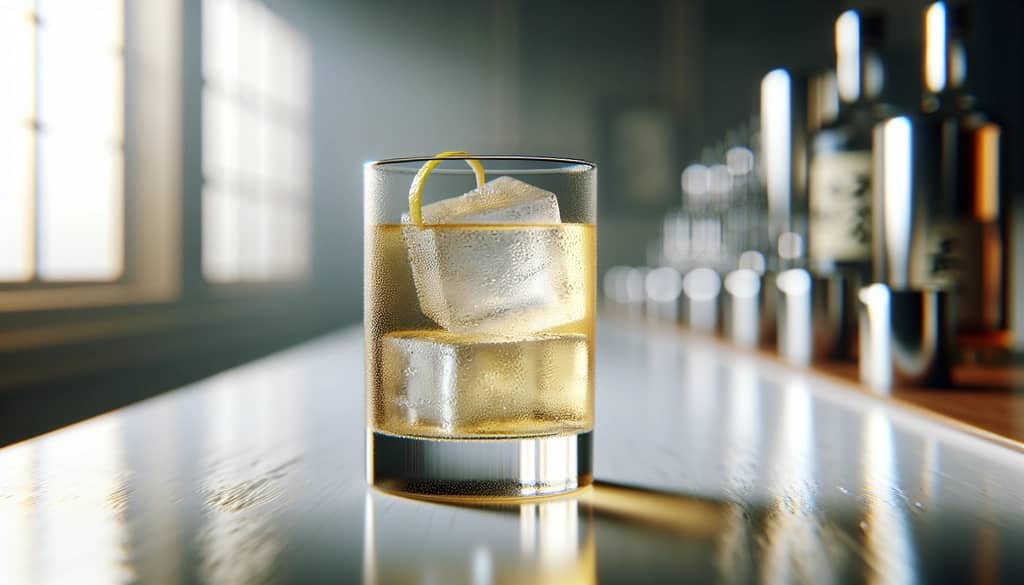
While whisky and soda remain the classic pairing, the precision and mindfulness of the Japanese Highball recipe can be applied to other spirits. Variants may include shochu, umeshu, or yuzu-flavored vodka—but minimalist construction and elegant carbonation always remain.
- Shochu Highball (chu-hai): 45 ml shochu, 120 ml soda, citrus garnish.
- Umeshu Highball: 45 ml Japanese plum liqueur, 90–120 ml soda water.
- Yuzu Sour Highball: 45 ml Japanese gin or vodka, 15 ml yuzu juice, 100 ml soda.
Attention to Detail: The Essence of the Japanese Highball
The distinction of the Japanese Highball ultimately lies in quiet excellence: transforming an everyday mixed drink into a study of flavor, texture, and refreshment. Every facet—from whisky selection, to the practice of chilling, to the near-silent fizz as soda is added—reflects the belief that artistry shows itself in simplicity. The result is a cocktail that’s far more than the sum of its parts, best enjoyed with equal parts presence and appreciation.