
Updated on: 6/3/2025

The Origin and Legacy of the Death in the Afternoon Cocktail

Few cocktails blend literary legend and spirited indulgence quite like Death in the Afternoon. This striking recipe—champagne topped with absinthe—has become synonymous with Ernest Hemingway, whose affinity for adventure, danger, and strong drinks is as renowned as his novels.
Birth of Death in the Afternoon: Hemingway’s Imprint
The story of Death in the Afternoon traces back to 1932, when Ernest Hemingway contributed it to "So Red the Nose, or Breath in the Afternoon," a cocktail book penned by writers. Hemingway, ever the innovator, offered this simple yet potent combination alongside his own stark drinking instructions—a playful nod to his larger-than-life persona.
How the Cocktail is Made: Hemingway’s Official Recipe
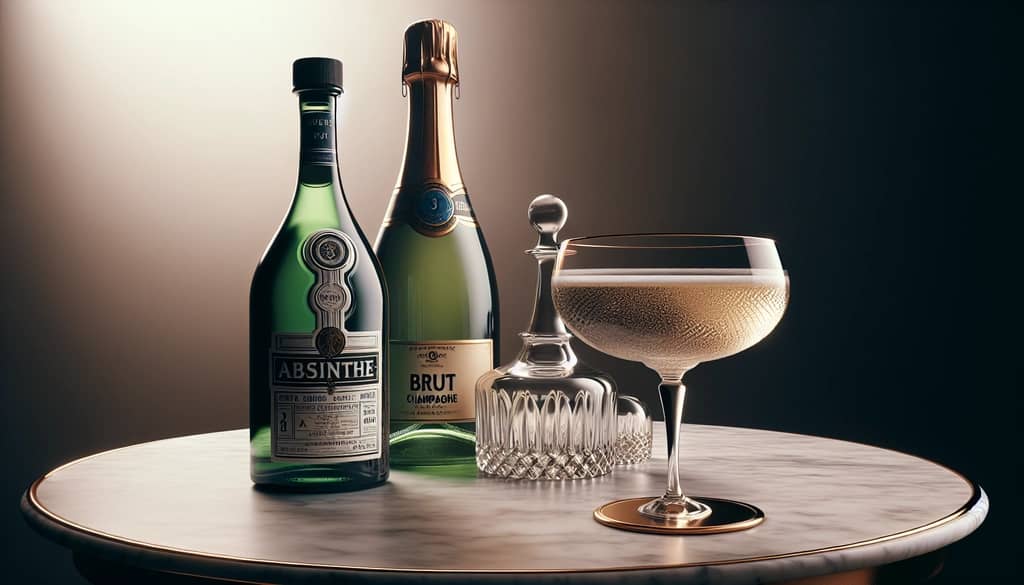
The "Hemingway Death in the Afternoon" recipe is concise—true to its creator’s minimalist style. The original note: “Pour one jigger absinthe into a champagne glass. Add iced champagne until it attains the proper opalescent milkiness. Drink three to five of these slowly.” Interpreting these instructions today, the usual proportions are:
- 30 ml absinthe
- 90–120 ml brut champagne
Making it is a ritual in restraint. Add the absinthe to a chilled coupe or flute, then gently pour the champagne over the top, letting the green liquor cloud and swirl. No stirring—just a gentle effervescence and the "opalescent milkiness" Hemingway described.
Cultural Impact and Mystique
Death in the Afternoon’s intrigue owes as much to absinthe’s mythos as Hemingway’s reputation. Absinthe, once infamous for its rumored hallucinogenic qualities, delivers an intoxicating blend of anise and botanicals. When wedded with the dry bite of champagne, the combination creates a drink that’s as decadent as it is dangerous—a toast not just to Hemingway, but to the enigmatic spirit of the early twentieth century.
- Symbol of bohemian Paris and Lost Generation decadence
- Embodies Hemingway’s flair for drama and risk
- Celebrated as a conversation starter and challenge for adventurous palates
Tips for Enjoying the Classic Hemingway Death in the Afternoon
- Use authentic absinthe for the characteristic louche effect and herbal complexity.
- Opt for a dry brut champagne—sweet styles disrupt the balance.
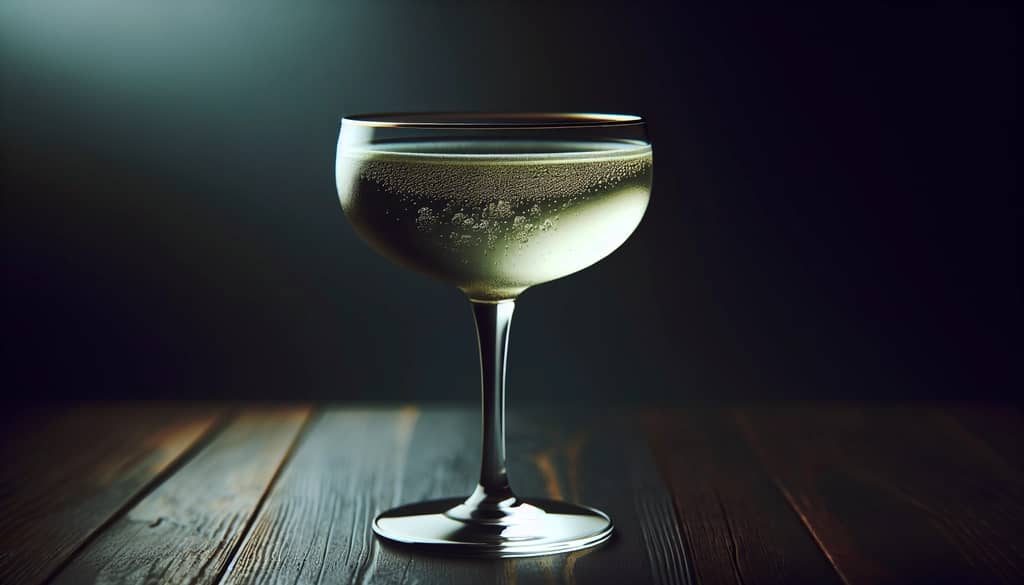
- Serve in a well-chilled coupe to accentuate aromatics and bubbles.
- Sip slowly—this is a deceptively strong, contemplative drink.
Whether enjoyed as a tribute to Hemingway or as a unique celebration of absinthe’s revival, Death in the Afternoon remains a cocktail of mythic proportions—simple, bold, and always a topic of conversation.