
Updated on: 6/3/2025

Choosing the Best Wine for Apple Cider Sangria
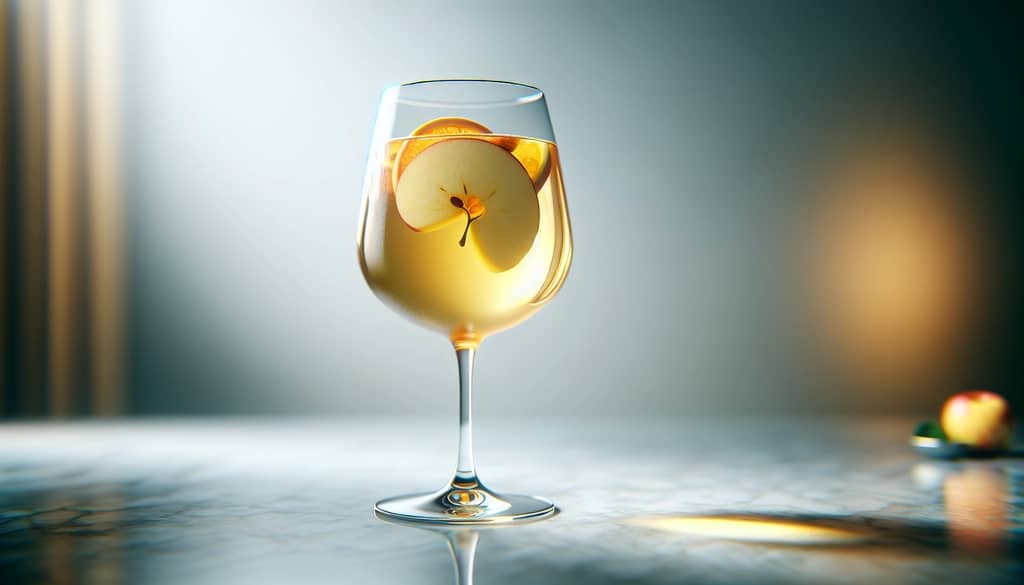
Apple cider sangria blends crisp cider, seasonal fruits, and a bottle of wine, making it a fall favorite for gatherings or cozy evenings. The wine you select shapes the drink’s character—ranging from bright and refreshing to rich and spicy. Understanding the flavor profiles of different wines helps you match fruits and spices for a balanced sangria.
White Wine Choices: Crisp, Fruity, or Sweet?
White wines create a lighter, fruit-forward apple cider sangria ideal for daytime brunches or afternoons. The best options are those with lively acidity and fresh orchard or citrus notes, which complement apple cider and enhance autumnal fruit additions like pears and citrus wheels.
- Moscato: Sweet, lightly effervescent, and bursting with peach and floral flavors. Especially suited for dessert-style sangria or those who enjoy a touch of sweetness. Try with apples, oranges, raspberries, and a cinnamon stick.
- Pinot Grigio: Dry, crisp, and subtle, with green apple and pear flavors. Creates a refreshing sangria that lets fresh fruit and cider shine. Works beautifully with apple slices, lemon, and a few cloves or ginger slices.
- Sauvignon Blanc: High acidity and grassy, citrus-driven notes give a zesty backbone. Pairs well with apples, pears, citrus, and thyme.
Red Wine Variations: Deeper Flavors, Cozy Notes
Red wine apple cider sangria leans into bold, warming flavors—perfect for chilly evenings or holiday parties. The best reds for this drink are fruit-driven, low in tannins, and not too oaky, to avoid clashing with apples and baking spices.
- Pinot Noir: Light-bodied, elegant, with red fruit notes. Lets the spiced apple cider shine through without heaviness.
- Merlot: Soft, supple, with plummy flavors; offers more weight but remains smooth alongside apples, cinnamon, and pears.
- Garnacha (Grenache): Juicy and low in tannin, this Spanish classic deepens apple and orange notes while blending amiably with baking spices.
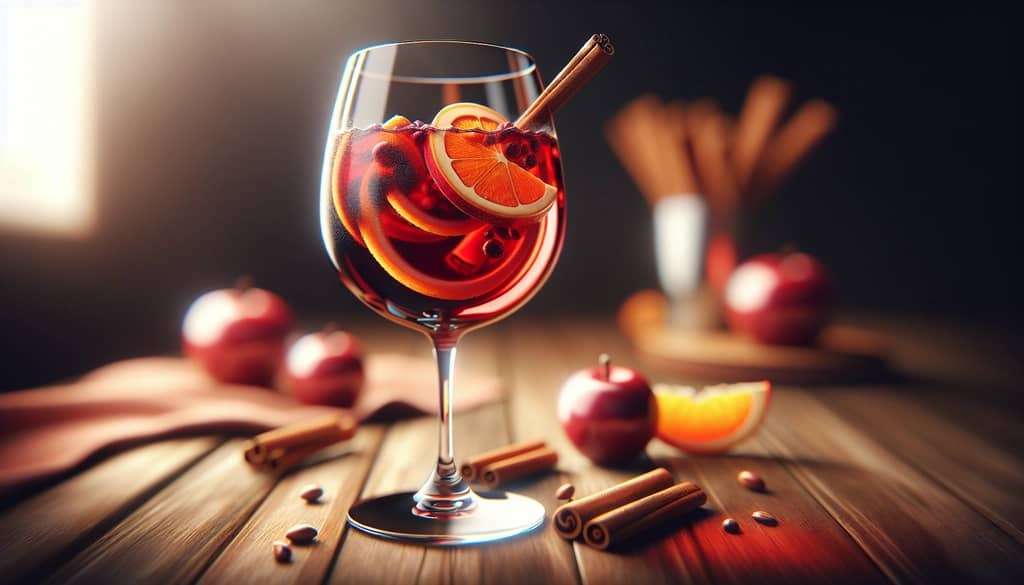
Classic Apple Cider Sangria Recipe (White or Red Wine)
Adjust the recipe for your choice of white or red wine. Use Moscato for a sweet sangria or Pinot Grigio for a crisp finish. Substitute with your favorite light-bodied red for a richer, spiced version.
- 750 ml (1 bottle) white wine (Moscato, Pinot Grigio, or Sauvignon Blanc) or light red wine (Pinot Noir, Merlot)
- 500 ml apple cider (unfiltered for best flavor)
- 60 ml orange liqueur (triple sec or Cointreau)
- 1 medium apple, thinly sliced
- 1 orange, sliced into wheels
- 1 pear, sliced (optional)
- 2–3 cinnamon sticks
- 2–4 cloves (optional, especially for red wine sangria)
- Combine sliced fruits and spices in a large jug or pitcher.
- Pour in wine, apple cider, and orange liqueur. Stir gently to mix.
- Cover and refrigerate for at least 2 hours (overnight for fullest flavor).
- Before serving, stir and taste; add more apple cider for extra sweetness if desired.
- Serve chilled over ice, ensuring some fruit and a cinnamon stick in each glass.

Pairing Fruits and Spices for Balance
The versatility of apple cider sangria means you can easily adapt fruits and spices depending on your wine selection. Each addition brings out hidden dimensions:
- White wine sangria pairs effortlessly with apples, pears, citrus slices, and subtle herbal notes like thyme or mint.
- Red wine sangria welcomes deeper flavors—think pomegranate arils, plums, and baking spices such as cinnamon, clove, or star anise.
- Moscato and other sweet whites benefit from a squeeze of lemon juice to balance the sugar and liven up the palate.
Tips for a Standout Apple Cider Sangria
- Use a wine you’d enjoy drinking on its own—avoid heavily oaked or overly tannic bottles.
- Maximize flavor by letting the sangria chill at least two hours, ideally overnight.
- If sweeter sangria is desired, add 15–30 ml maple syrup or honey before chilling.
- Sparkling apple cider or a splash of club soda on serving brings lively fizz.