Updated on: 6/8/2025

Gin Gin Mule vs. Moscow Mule: History, Recipe, and What Makes Each Unique
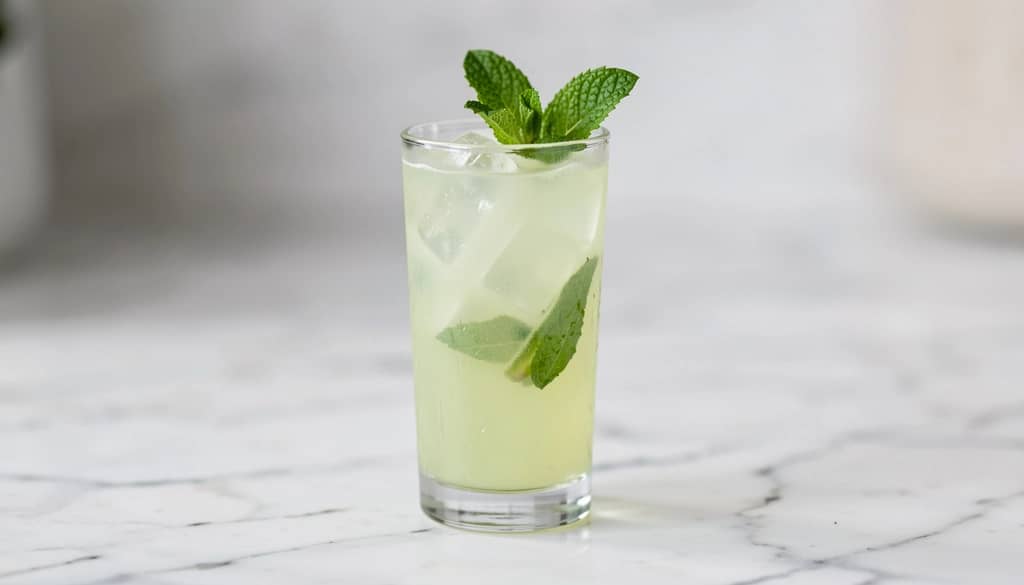
Both the Gin Gin Mule and Moscow Mule have made their mark on modern cocktail culture, but their origins, ingredients, and personalities set them apart. Unpacking their backstories and construction highlights not only what makes each drink distinctive but why both remain favorites behind the bar.
Tracing the Mule Lineage: Origins and Evolution
The Moscow Mule kicked off the 'Mule' category in 1940s Los Angeles. Created as a marketing collaboration to move surplus vodka and ginger beer, its copper mug and sharp, spicy punch soon became iconic. Decades later in New York, bartender Audrey Saunders reimagined this classic, swapping vodka for gin and layering in fresh mint. Her Gin Gin Mule was born, bridging old-world botanicals and modern craft technique.
Core Ingredients: How Gin Changes the Mule
At first glance, both drinks rely on the same basic formula: spirit, ginger beer, citrus, and a cold, refreshing presentation. The distinction lies in the featured spirit—and in the Gin Gin Mule's case, the addition of mint and sometimes simple syrup. Classic gin (especially London dry styles) injects a backbone of juniper, citrus peel, and subtle spice, which transforms the mule’s profile into something herbal, bright, and layered compared to vodka’s neutral character.
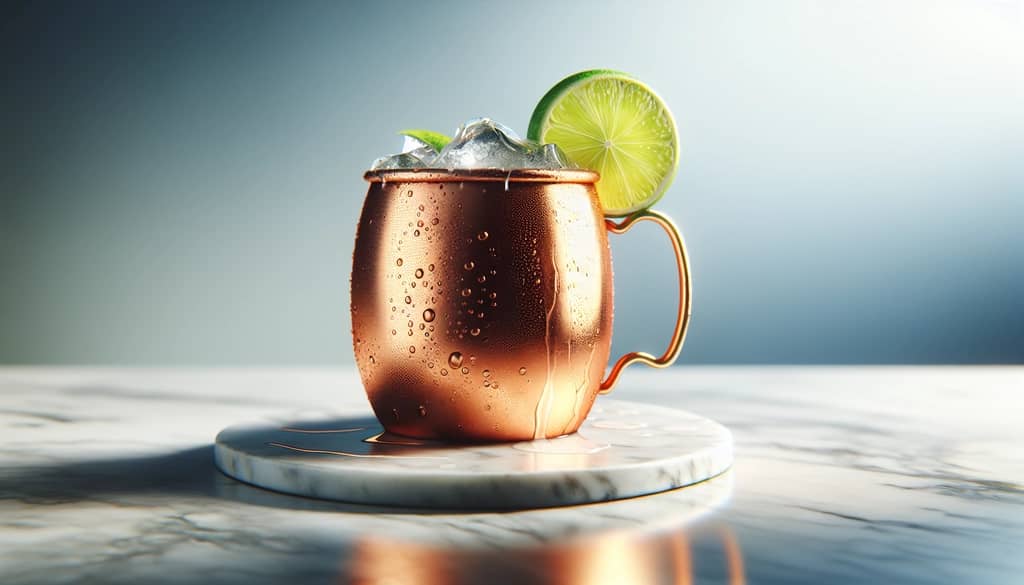
- Moscow Mule: 60 ml vodka, 15 ml lime juice, ginger beer to top
- Gin Gin Mule: 60 ml gin, 15 ml lime juice, 15 ml simple syrup, handful fresh mint, ginger beer to top
While both shine over ice in tall glasses, the Gin Gin Mule’s use of mint and a dash more sweetness evokes a cross between a Mojito and a mule—crisp and invigorating.
Comparing the Gin Mule and Classic Mule: Flavor, Aromatics, and Style
- Spirit: Gin’s botanicals contribute herbaceous, citrus, floral notes; vodka remains neutral, letting ginger beer shine.
- Herbs: Fresh mint in Gin Gin Mule delivers pronounced aroma and a cooling lift on the finish.
- Sweetener: The simple syrup in the Gin Gin Mule balances acids and spice, yielding a rounder mouthfeel.
- Glassware: Moscow Mule’s signature copper mug enhances chill; Gin Gin Mule is usually served over ice in a highball or Collins glass, but the copper mug is optional.
- Ginger Beer: The backbone in both, quality matters—look for a version with plenty of bite and real ginger.
Choosing which to make isn’t just about spirit preference—it’s about the drinking experience you want. The Gin Gin Mule skews more botanical and mojito-like; the Moscow Mule is all about bold ginger and brisk simplicity.
Gin Gin Mule: Cocktail Recipe and Tips
- 60 ml London dry gin
- 15 ml fresh lime juice
- 15 ml simple syrup
- 6–8 mint leaves (plus sprig for garnish)
- Ginger beer to top (typically 90–120 ml)
- Lightly muddle mint leaves with lime juice and simple syrup in the bottom of a shaker.
- Add gin and fill shaker with ice.
- Shake briskly for 8–10 seconds.
- Strain into a highball glass filled with fresh ice.
- Top with ginger beer and garnish with mint sprig.
Moscow Mule: Traditional Gin Variation
- 60 ml gin (substitute for vodka)
- 15 ml fresh lime juice
- Ginger beer to top (90–120 ml, adjust for taste)
- Lime wheel for garnish
- Fill a copper mug (or highball glass) with ice.
- Add gin and lime juice.
- Top with ginger beer and stir gently.
- Garnish with a lime wheel.
Choosing Your Mule: Which Suits the Occasion?
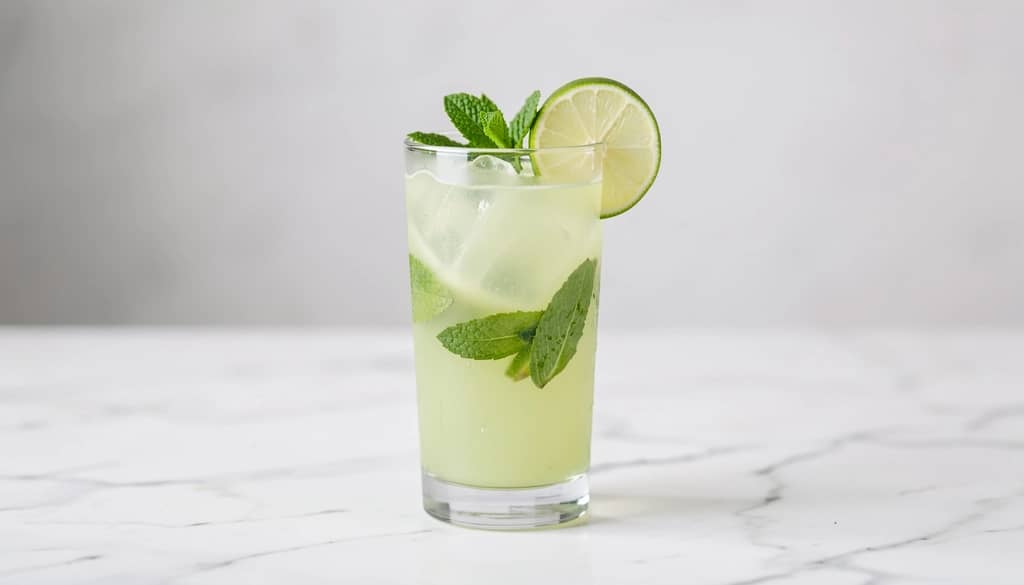
For those who enjoy bright herbs and a layered bouquet, the Gin Gin Mule offers both refreshment and complexity in every sip. Purists (or those after a classic American bar experience) lean to the Moscow Mule’s bracing simplicity and effervescent punch. Both cocktails are easily adjustable for sweetness and spice. The only real mistake? Skimping on fresh citrus or settling for subpar ginger beer.