
Updated on: 6/8/2025

How Cynar Changes the Flavor of a Negroni

Swapping Campari for Cynar in the classic Negroni isn’t just a simple switch—it opens up an entirely new spectrum of aromas and flavors. Cynar, an Italian amaro made with artichoke and over a dozen herbs, brings earthy complexity, herbal bitterness, and surprising depth to the familiar trio of gin, vermouth, and bitter.
What Makes Cynar Unique Among Amari?
Cynar stands out from other Italian bitters with its idiosyncratic blend of vegetal notes. Most notably, artichoke gives it a foundation, but the liqueur’s main strengths are its balance between sweet and bitter, lower sugar compared to many amari, and a deep, savory undertone. Its ABV (16.5%) is also gentler, so it won’t overpower boozy gins or rich vermouths.
How Cynar Alters the Negroni’s Taste Profile
- Bitterness rebalanced: Cynar’s bitterness is herbal and earthy, versus Campari’s searing, citrus-forward bite.
- Savory complexity: Subtle vegetal and roasted flavors amplify with every sip, echoing artichoke, celery root, and chicory.
- Gentler sweetness: The overall profile is less candied and more mellow, letting gin botanicals and vermouth’s spice shine through.
- Finish: A drier, lingering herbal note replaces Campari’s neon-orange aftertaste.
Many bartenders describe the Cynar Negroni as “grown-up,” with layers that unfold as the drink rests over a large ice cube. It’s a favorite for those who find the standard Negroni too brash or sweet, or anyone seeking a deeper, quieter nuance.
Cynar Negroni Recipe: Classic Proportions, New Sensation
- 30 ml gin
- 30 ml Cynar
- 30 ml sweet vermouth (Carpano Antica or Cocchi recommended)
- Add all ingredients to a mixing glass with plenty of ice.
- Stir briskly for at least 20 seconds to chill and dilute.
- Strain into an old-fashioned glass over a large ice cube.
- Express the oil from an orange twist over the drink and drop it in.

Negroni Variations: Cynar vs Campari, Aperol, and Beyond
- Campari (classic): Brighter red, sharper citrus, higher bitterness—what most expect from a Negroni.
- Aperol: Softer, much sweeter and less bitter, with orange and rhubarb notes; suitable for those easing into amari.
- Cynar: Deep umami, earthy without being punishing, bittersweet, and more adaptive to a wider range of gin and vermouth pairings.
Cynar’s gentler profile unlocks even more creative substitutions—try splitting the amari (using 15 ml Cynar with 15 ml Campari for extra depth), or experimenting with mezcal or rye as the base. Each swap shifts the Negroni into uncharted territory.
Expert Tips for Balancing a Negroni With Cynar
- Pick a bolder gin—juniper-heavy or spiced gins are more present against Cynar’s vegetal bitterness.
- Sweet vermouth matters—choose one with baking spice and cherry tones for contrast, not just pure sweetness.
- Always use fresh orange peel—its citrus oils amplify Cynar’s complex, savory layers.
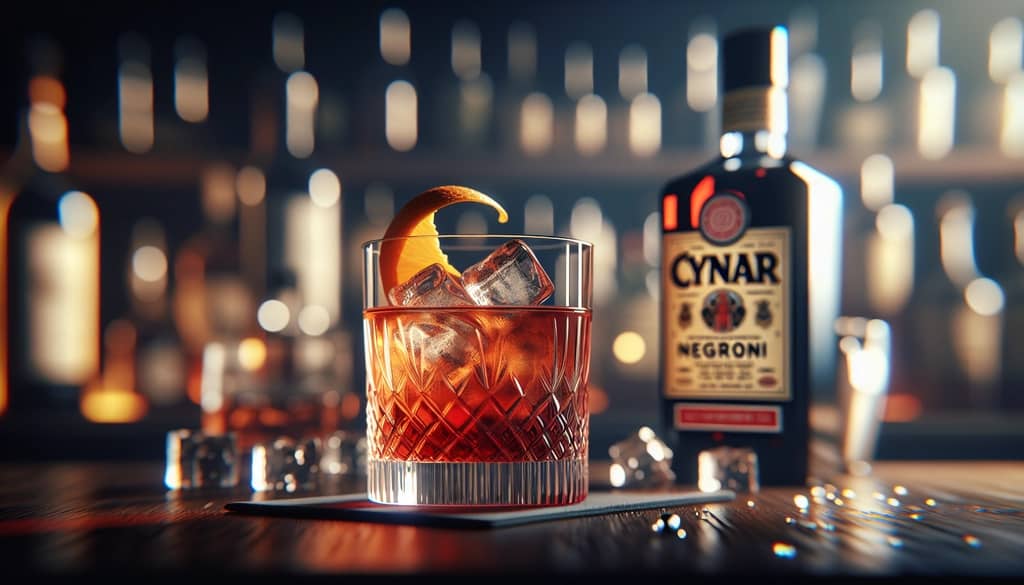
Bartenders looking to showcase depth and originality turn to Cynar for its ability to transform the Negroni into an earthy, contemplative aperitivo. For home enthusiasts, it’s an effortless way to rediscover a classic—one where each sip rewards a little patience and curiosity.