
Updated on: 6/8/2025

How Do Latin American Cocktails Differ from Other Cocktails?
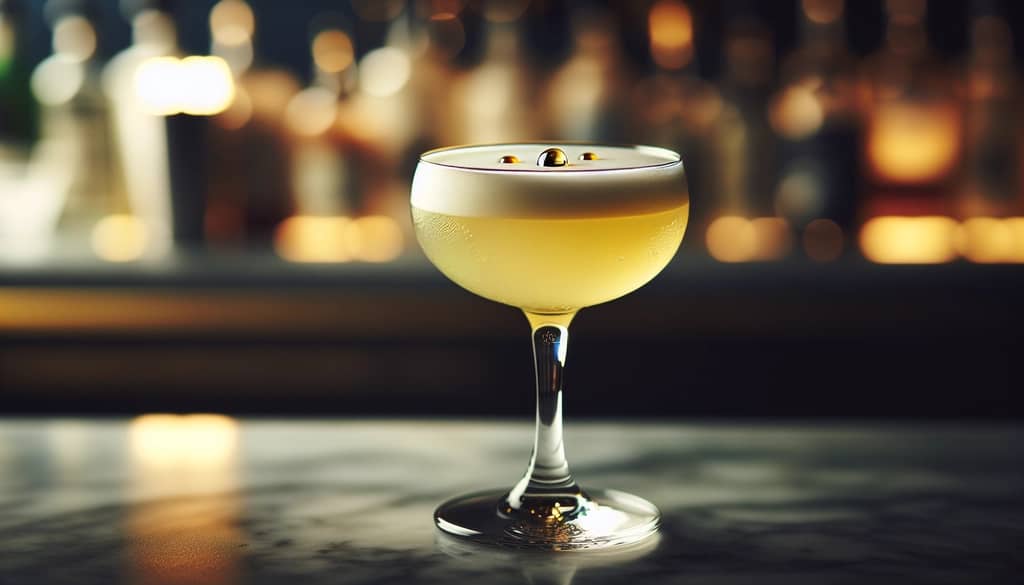
Latin American cocktails stand apart by blending vibrant native ingredients and traditions, creating drinks that burst with life and flavor. Comparing them to classic European or North American cocktails reveals key distinctions in spirit choice, ingredient freshness, and cultural presentation.
Native Spirits Set the Tone
Cocktail traditions in Latin America build upon a rich palette of regional spirits. Instead of the usual gin, bourbon, or vodka, bartenders reach for:
- Pisco — the grape-based brandy of Peru and Chile, famous in the Pisco Sour
- Cachaça — distilled from sugarcane in Brazil, a must for Caipirinhas
- Tequila & Mezcal — iconic Mexican agave spirits, powering Margaritas and Palomas
- Rum — both white and aged varieties, essential in Cuba’s Daiquiri and Mojito
Each spirit brings its own earthy, grassy, or fruity profile, hard to replicate with substitutes.
Celebrating Fresh, Vibrant Flavors
Latin American cocktails feature a full spectrum of fresh produce, making them especially lively and thirst-quenching.
- Lime, lemon, passionfruit, pineapple, mango — no bottled juices, just the real thing.
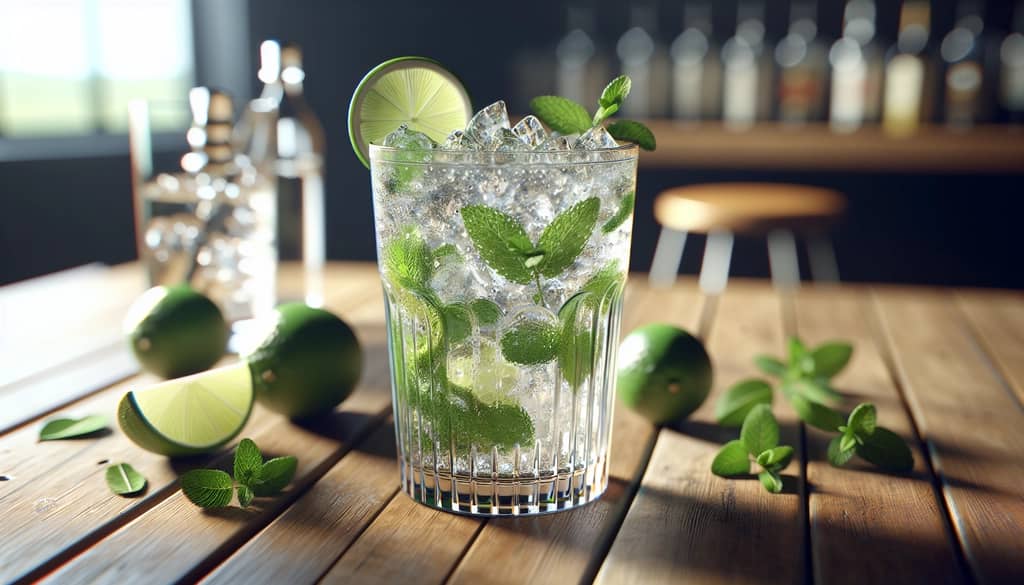
- Herbs like mint and cilantro, used for aroma and flavor, especially in Mojitos and Micheladas.
- Spicy elements — chili, jalapeño, or hot sauce, adding a kick absent from most classic cocktails.
This devotion to freshness makes Latin American drinks particularly bright and inviting, suited to long afternoons and warm evenings.
A Social, Communal Drinking Style
Beyond ingredients and flavors, Latin American cocktails differ in how and when they’re enjoyed. These drinks are woven into festive gatherings and lively celebrations — rarely sipped solo. Cocktails are often made in pitchers, shared in rounds, or served in large glasses designed for lingering conversation.
- Paloma or Margarita pitchers signal group enjoyment, not private indulgence.
- Micheladas and Cheladas are tailored for long afternoons and relaxed socializing.
Balancing Sweet, Sour, and Spice
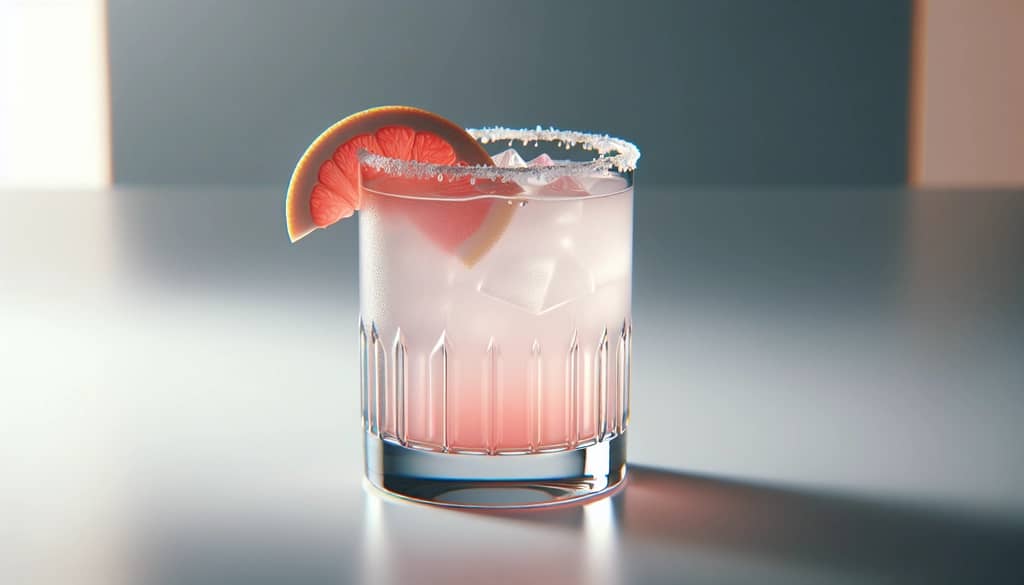
Many classic Latin American cocktails are masterclasses in balancing acidity, sweetness, and sometimes salt or chili. The interplay of these components — think salty-sour Margarita, tart Daiquiri, or tangy Caipirinha — results in drinks that excite the palate without heaviness.
- Salt rims or chile powder add a savory edge.
- Ample use of lime and sugar sharpens or softens bold spirits.
- Carbonated mixers — soda, tonic, ginger beer — are common for lift and refreshment.
A Lasting Impact on the World Cocktail Scene
Latin American cocktails have permanently shaped global drinking culture. Their flavors, spirits, and festive approach bring a fresh perspective to the international bar, reminding us that cocktails can be as bright and welcoming as the cultures they spring from.