
Written by: Ava Mitchell
Updated on: 6/8/2025
Updated on: 6/8/2025
Favourite
Share
How Do Savory Cocktails Differ From Sweet Cocktails?
Cocktails offer a spectrum of flavors, but the divide between savory and sweet drinks marks a fundamental difference in both ingredients and experience. Understanding their unique profiles helps bartenders and curious drinkers navigate menu choices or craft inventive beverages at home.
What Defines a Savory Cocktail?
Savory cocktails lean on herbs, spices, vegetables, and umami-rich elements. They eschew overt sweetness for complexity and depth, often presenting earthy, briny, or even spicy notes.
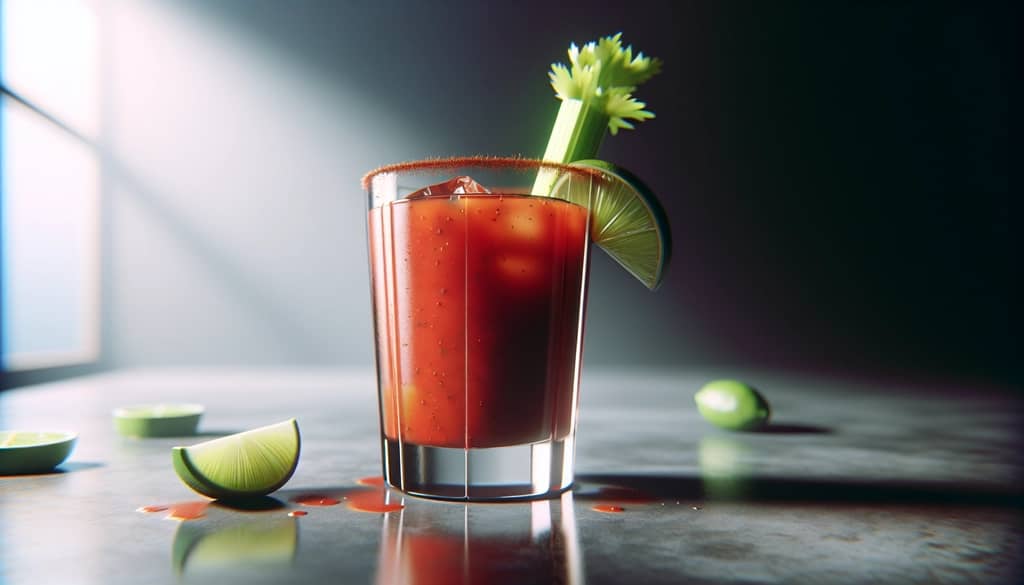
- Fresh vegetables like tomato, cucumber, or bell pepper—think classic Bloody Mary.
- Herbs such as basil, thyme, or sage for depth and aromatics.
- Spices and seasoning—black pepper, celery salt, horseradish, even hot sauce.
- Umami accents including Worcestershire sauce, miso, smoked salt, or olive brine.
How Are Sweet Cocktails Crafted?
Sweet cocktails, in contrast, highlight fruit juices, liqueurs, syrups, and sugars. Their profiles are bright, approachable, and familiar—often serving as refreshing, dessert-like beverages or crowd-pleasers for those who avoid bitterness or spice.
- Fresh or clarified juices (orange, pineapple, cranberry, lemon, lime).
- Flavored syrups—grenadine, honey syrup, vanilla, ororgeat.
- Fruit liqueurs such as triple sec, peach schnapps, or crème de cassis.
- Sugar rimmed glasses, candied garnishes, or muddled fruits.
Key Differences: Ingredients, Flavor, and Experience
- Savory cocktails favor umami, earthiness, or spice, often with briny or herbal undertones. Sweet cocktails prioritize sugars and fruit acids for a crisp, easily enjoyed sip.
- Most savory drinks are served as aperitifs or brunch staples, pairing well with savory foods. Sweet cocktails can act as palate cleansers, nighttime treats, or even substitutes for dessert.
- Savory recipes make use of tomato juice, olive brine, and fresh herbs, while sweet cocktails lean into grenadine, citrus juices, and flavored liqueurs.
Notable Examples of Each Style
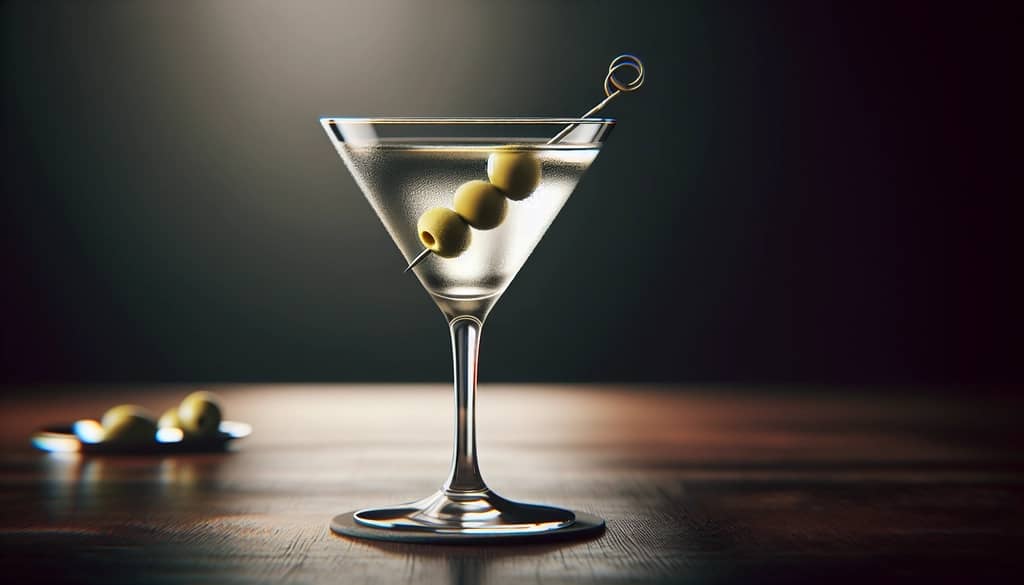
- Classic savory favorites: Bloody Mary, Dirty Martini, Michelada, Red Snapper.
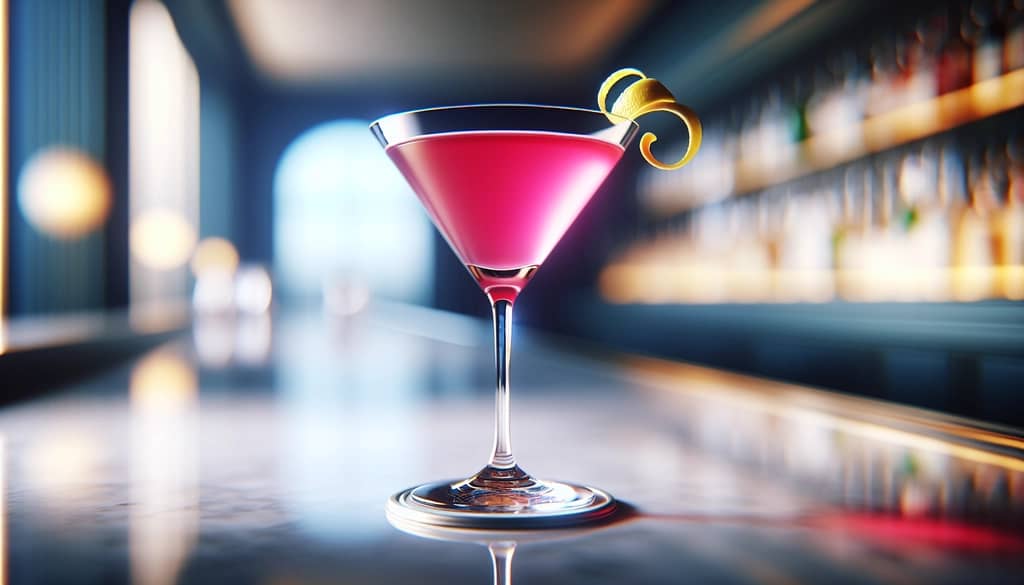
- Popular sweet drinks: Cosmopolitan, Margarita, Piña Colada, Daiquiri, Whiskey Sour.
Tips for Creating Well-Balanced Savory and Sweet Cocktails
- Find contrast: Even in savory drinks, a hint of acidity (from lemon or vinegar) or a touch of sweetness (from tomato or carrot) balances salt and spice.
- Layer flavors: With savory cocktails, use multiple umami sources (like Worcestershire and brine), then brighten with citrus or fresh herbs. With sweet drinks, balance fruitiness with fresh lime or a dash of bitters.
- Garnish with intent—choose additions that intensify core flavors instead of distracting from them.