
Updated on: 6/8/2025

How the Rolled Technique Enhances the Drinking Experience

In cocktail mixing, subtle choices in technique often shape what you feel on your palate. The rolled technique—a method less showy than shaking yet more active than stirring—offers a unique way to deliver clarity and cohesiveness in each sip.
What Is the Rolled Technique?
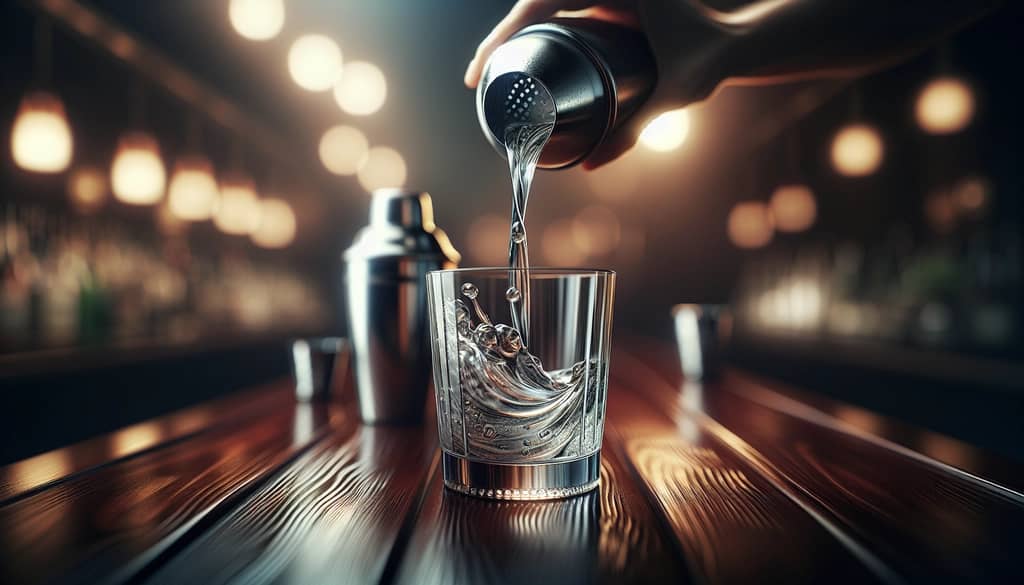
To roll a cocktail, bartenders pour the liquid gently between two mixing vessels (typically shakers), letting gravity guide its flow. This is usually repeated 3–5 times. The motion incorporates and chills ingredients with precision but avoids the harsh turbulence of shaking.
How Does the Rolled Technique Enhance Flavor?
- Smooth texture: The gentle pour minimizes the formation of air bubbles, leaving the drink silky rather than frothy or overly diluted.
- Flavor integrity: Minimal aeration preserves the distinctive characteristics of base spirits and modifiers, so botanicals, spices, and citrus notes stay crisp and defined.
- Balanced dilution: Rolling chills and dilutes the drink at a controlled rate—less aggressive than shaking, but more effective than stirring for larger builds or juice-heavy cocktails.
- Visual clarity: Because it does not whip air into the mixture, drinks poured via the rolled technique remain clear and visually appealing, which is especially prized for spirit-forward or transparent cocktails.
When to Choose the Rolled Technique
Rolled technique shines when a cocktail includes fresh juices, delicate liqueurs, or layered juices and spirits that don’t benefit from aggressive foaming. It’s a preferred method for drinks like Bloody Marys, Pisco Punch, and some spirit-forward sours where subtle blending matters more than aeration.
Step-by-Step: How to Roll a Cocktail
- Add all ingredients, including ice, to one mixing vessel.
- Hold a second, empty tin securely and create a small gap for pouring.
- Gently pour the mixture from one vessel to the other, allowing gravity to control the flow.
- Repeat 3–5 times for optimal chill and mix, pausing as needed so ice stays intact.
- Strain into the final glass, ensuring the texture remains unagitated.
Mastering the rolled technique requires patience and a steady hand, but the reward is a drink with integrated flavor and a distinctly soft mouthfeel.
Why Bartenders Value the Rolled Technique
Experienced bartenders appreciate the rolled technique for its ability to yield drinks where flavors stay nuanced and the texture remains invitingly smooth. For those looking to evolve their cocktail craft beyond the basics of shaking and stirring, rolling offers a controlled, elegant method that quietly enhances the drinking experience—especially for complex recipes where balance is paramount.