
Updated on: 6/8/2025

How Should I Store Fresh Juices to Maintain Their Quality?
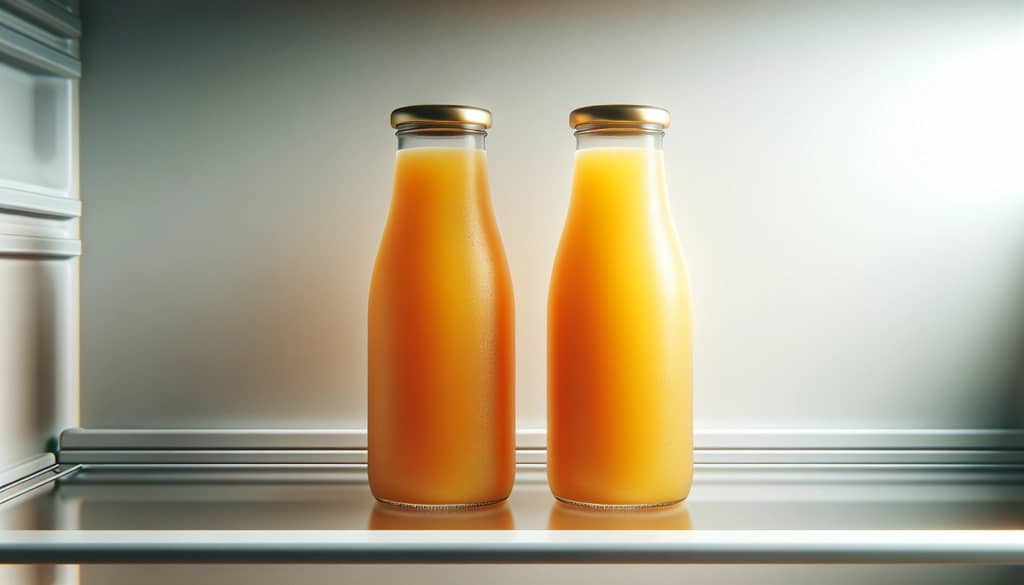
Freshly pressed juices, whether citrus, apple, or tropical blends, offer vibrant flavor and a boost of nutrients when handled with care. The way they’re stored directly affects taste, quality, and shelf life. Understanding proper storage is key for anyone who makes fresh juice at home—from daily juicers to the occasional brunch bartender.
Best Practices for Storing Fresh Juices
- Transfer fresh juice immediately into a clean, airtight container—glass bottles or jars are ideal.
- Fill containers to the very top to minimize contact with air and slow oxidation.
- Refrigerate juice promptly. Store between 0–5°C for best quality.
- Label with the date of juicing to keep track of freshness.
How Long Do Fresh Juices Last?
For maximum flavor and nutritional value, fresh juices are best consumed within 24–72 hours of pressing. Some citrus juices can last up to 3–4 days if refrigerated constantly, but flavor and nutritional content start to decline as soon as the juice is exposed to air and light.
- Citrus: typically remains fresh for 2–3 days.
- Apple: 2–3 days but prone to oxidation—add a dash of lemon juice to slow browning.
- Mixed green or vegetable: best used within 24–48 hours.
Tips for Maintaining Freshness and Flavor
- Keep juice chilled at all times. Do not leave out at room temperature for more than 30 minutes.
- Use glass containers over plastic whenever possible to avoid flavor transfer and preserve taste.
- If storing for cocktails, separate juice into smaller containers to prevent opening the full batch repeatedly.
- For the freshest cocktails, press only as much juice as you plan to use within a couple of days.
Can I Freeze Fresh Juice?
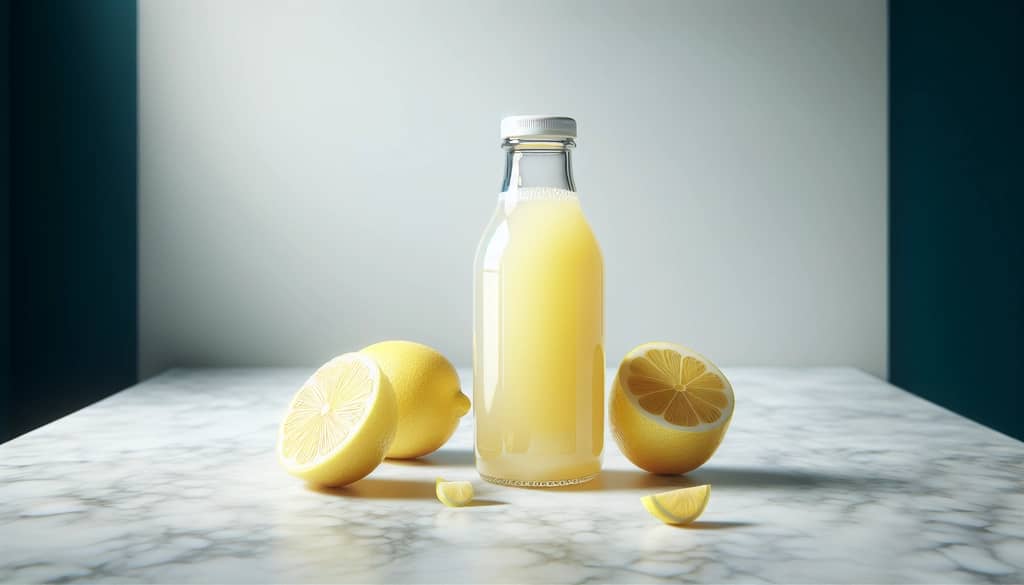
Freezing is an option when you want to prepare juice ahead or avoid waste. Use freezer-safe glass or plastic containers, leaving a few centimeters of headspace for expansion. Thawed juice may lose flavor intensity and texture but is still suitable for cooking or cocktails.