
Updated on: 6/8/2025

How Should I Store Wine for Cocktails?
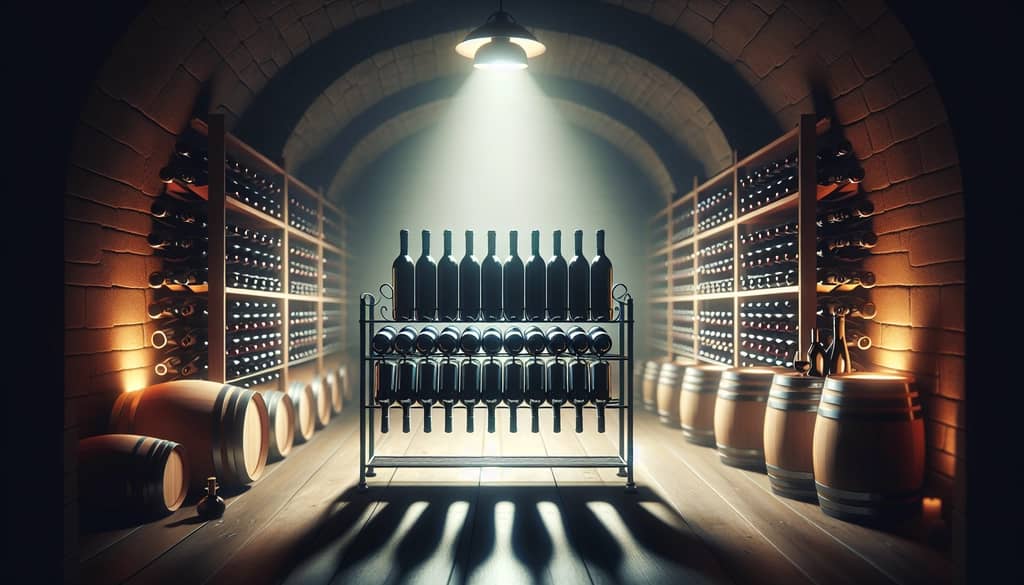
Wine plays a versatile role in cocktail making, from mellowing bitter spirits to adding fruitiness and aroma. However, its delicate nature means that how you store wine strongly affects the flavor of your cocktails. Taking a few simple steps will help you get the best result from each bottle.
Ideal Storage Conditions Before Opening
Whether you’re working with a crisp Sauvignon Blanc for a White Sangria or a robust red for a New York Sour, keeping wine fresh before you mix it is essential. Exposure to heat, light, and air can quickly rob wine of its vibrancy.
- Store unopened bottles in a cool, dark place to prevent the wine from aging prematurely.
- Aim for a steady temperature between 7–18°C (45–65°F). Fluctuating temperatures can push air in and out of the cork, spoiling the wine.
- Keep bottles on their side if they have natural corks, which helps prevent the cork from drying out and letting in air.
How to Store Opened Wine for Cocktail Use
Wine is best when fresh, but cocktail recipes rarely use a whole bottle at once. Oxygen is the enemy—opened wine quickly loses aroma and develops stale flavors. Preserve freshness with these tactics:
- Reseal the bottle tightly with the original cork or a reusable stopper.
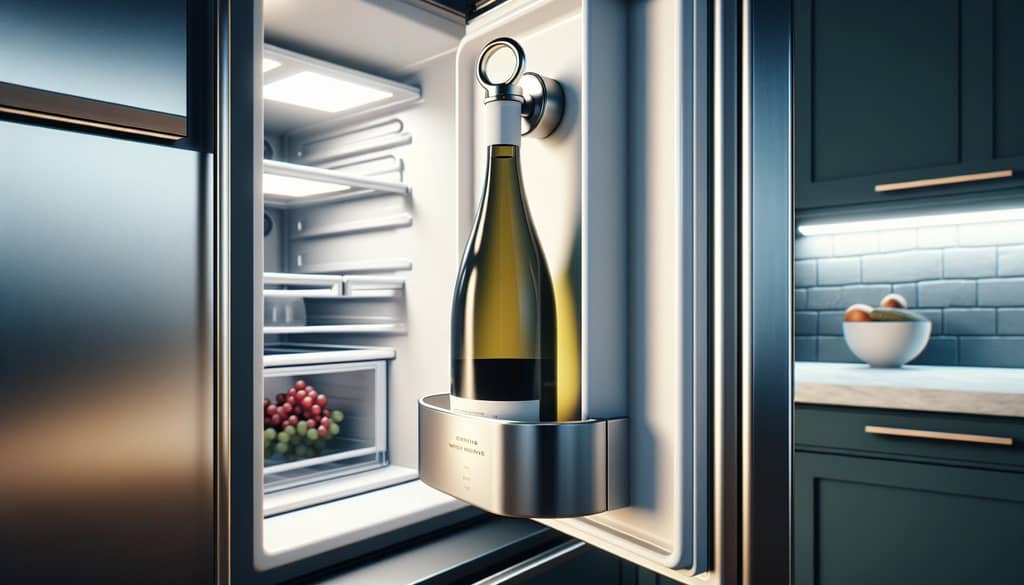
- Store in the fridge, even for reds—lower temperature slows oxidation.
- Try to use opened wine within 3–5 days for the best flavor contribution in cocktails. Sparkling wine fades fastest—plan to use it within 24 hours.
Tips for Wine Storage When Making Cocktails
- Avoid direct sunlight and keep bottles away from the stove, dishwasher, or heat-producing appliances.
- Don’t store wine long-term in the fridge if unopened: the constant vibration can disturb sediments and the environment is too cold for aging.
- If wine develops a vinegary smell or tastes flat, it’s best not to use it in cocktails—freshness makes a noticeable difference.
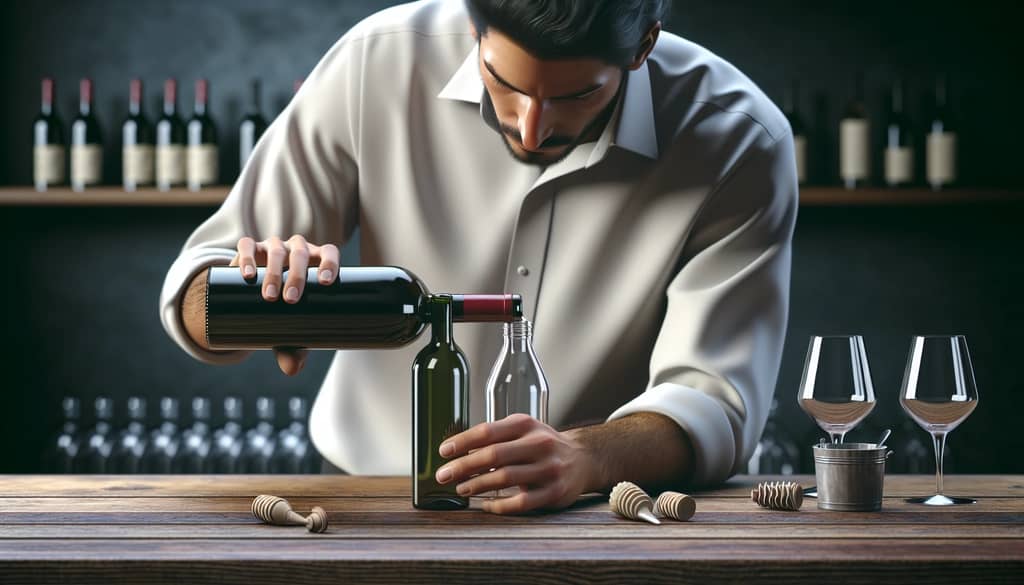
Some bartenders keep small screwcap bottles on hand to decant leftover wine. This reduces surface area exposed to air and keeps wine tasting vibrant for another round of cocktails.
Best Practices: Serving and Using Wine in Cocktails
- Chill white, rosé, or sparkling wine to 7–10°C (45–50°F) before using. Slightly cool lighter reds for summer spritzes.
- Choose wine styles that complement your mixer and spirit: dry wines are usually more versatile; sweet wines can completely change the profile.
- Fresh wine always delivers the cleanest, brightest flavors to cocktails—save older or fading bottles for sauce or cooking, not mixing.