
Updated on: 6/8/2025

How Should Liqueurs Be Stored?
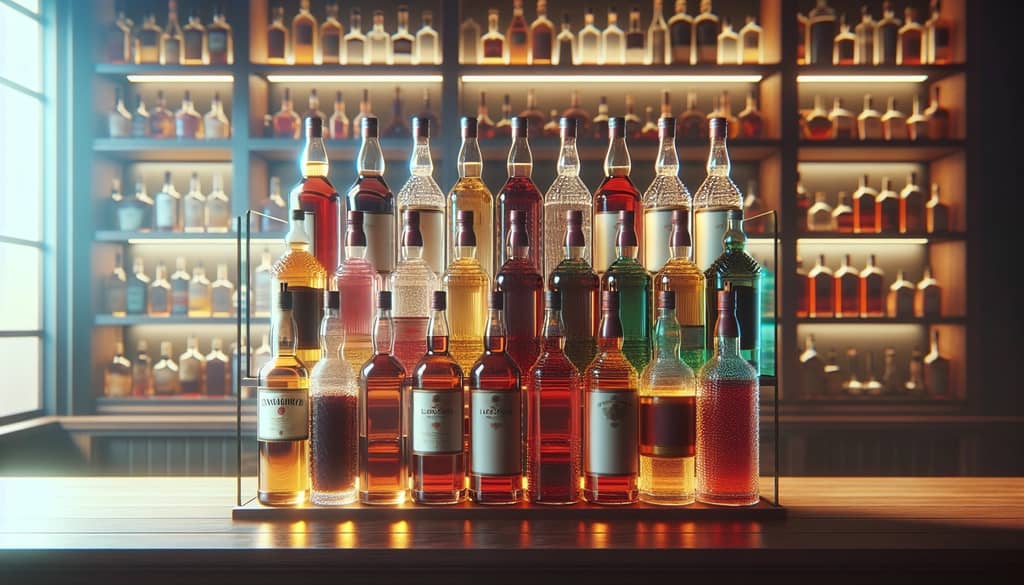
Proper storage of liqueurs is essential for preserving both flavor and shelf life. Ingredients like sugar, dairy, fruit extracts, or herbs interact differently with air and temperature compared to straight spirits—making smart storage even more important for these bottles.
Ideal Storage Conditions for Liqueurs
- Keep liqueurs in a consistently cool environment, ideally between 10–18°C (50–65°F), to prevent changes in aroma or texture.
- Store bottles out of direct sunlight as UV rays can degrade color, flavor, and aroma—especially in fruit and herb-based liqueurs.
- Control humidity whenever possible, particularly for natural cork-sealed bottles. Too-dry air can shrink corks and invite oxidation.
- Shelve bottles upright. Unlike wine, this limits spirit-to-cork contact and reduces the risk of the closure degrading or tainting the contents.
What Happens After Opening a Liqueur Bottle?
After unsealing, liqueurs become far more susceptible to oxygen, which can subtly erode their fresh aroma and vivid flavors—particularly in bottles made with real cream, eggs, or delicate botanicals. The alcohol content and sugar both help preserve, but even high-strength liqueurs eventually lose punch if neglected on the shelf.
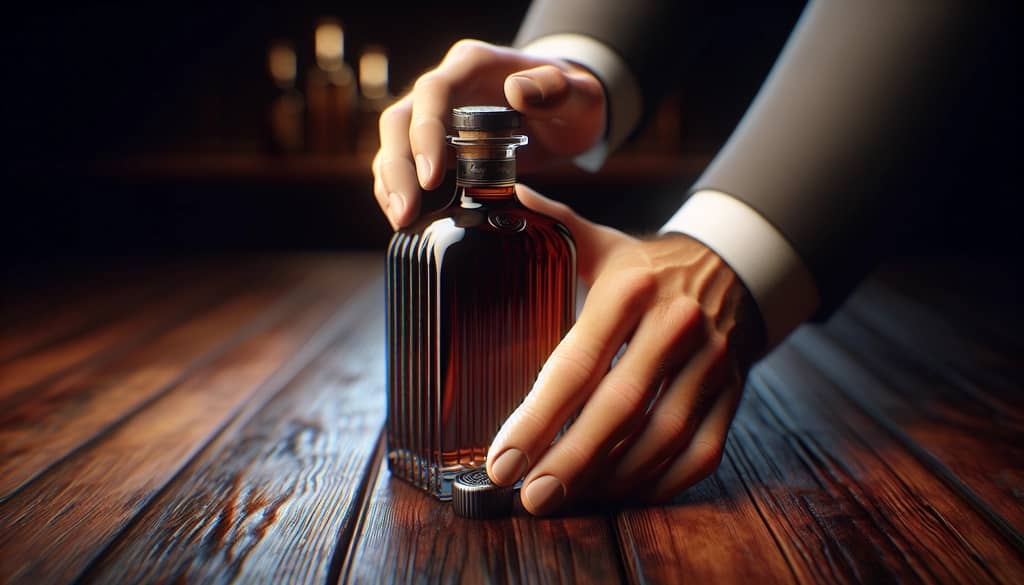
- Seal the bottle tightly after every pour to limit oxygen exposure.
- Avoid pouring small portions back into the bottle, as this introduces air.
- Generally, consume open bottles within 6–12 months for best flavor. Some sugar-heavy or neutral liqueurs may last longer, but subtle notes can fade after a year.
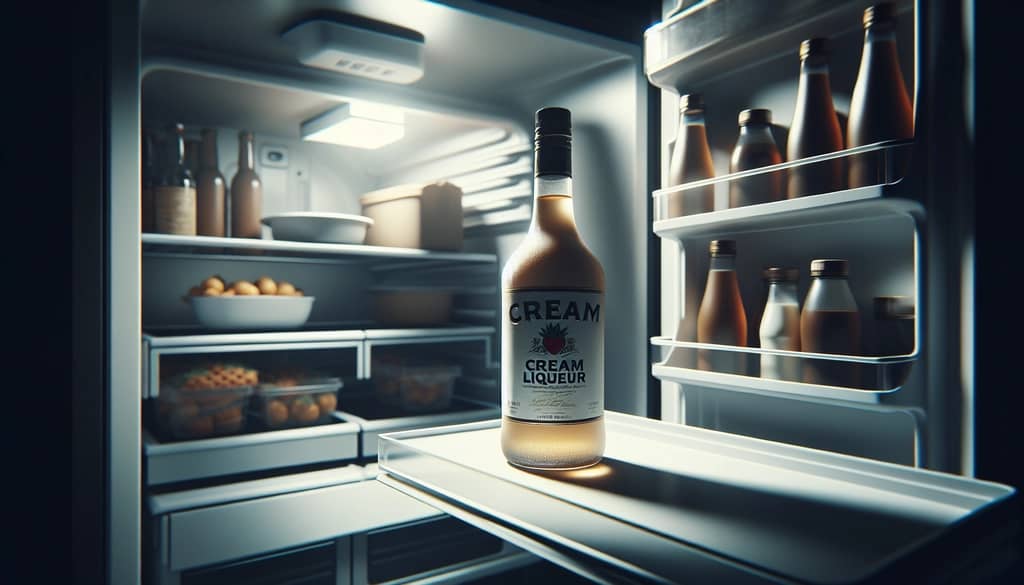
- Dairy or egg-based liqueurs (like Irish cream or advocaat) are more perishable—consider refrigeration and always check the manufacturer’s shelf life.
Risks of Improper Liqueur Storage
- Heat and sunlight break down natural flavors, cause sugar to crystallize, or fade vibrant colors (notably in fruit and herbal liqueurs).
- Excess air (from loose caps or half-full bottles) speeds up oxidation and leads to dull or stale notes.
- Spoilage risk increases with cream or egg-based liqueurs if left at room temperature too long after opening.
- Drastic temperature swings can cause clouding or precipitation, especially in sugar-heavy liqueurs—though these generally aren’t harmful, they affect serving quality.
Expert Tips: Keeping Liqueurs Fresh Longer
- Decant small leftover amounts into a smaller container—minimizing air in the bottle can extend lifespan and vibrancy.
- Use a bottle vacuum-seal stopper for rarely used liqueurs, especially infusions or homemade bottles.
- Mark open date on the label so you can easily track age, especially for bottles with infrequent use.
A liqueur’s vibrant notes and luscious mouthfeel are best enjoyed when you treat the bottle more like a fine wine than a base spirit. With simple steps and the right environment, every pour will taste as the maker intended.