Updated on: 6/3/2025

Is It Necessary to Use High-Quality Bourbon in Cocktails?
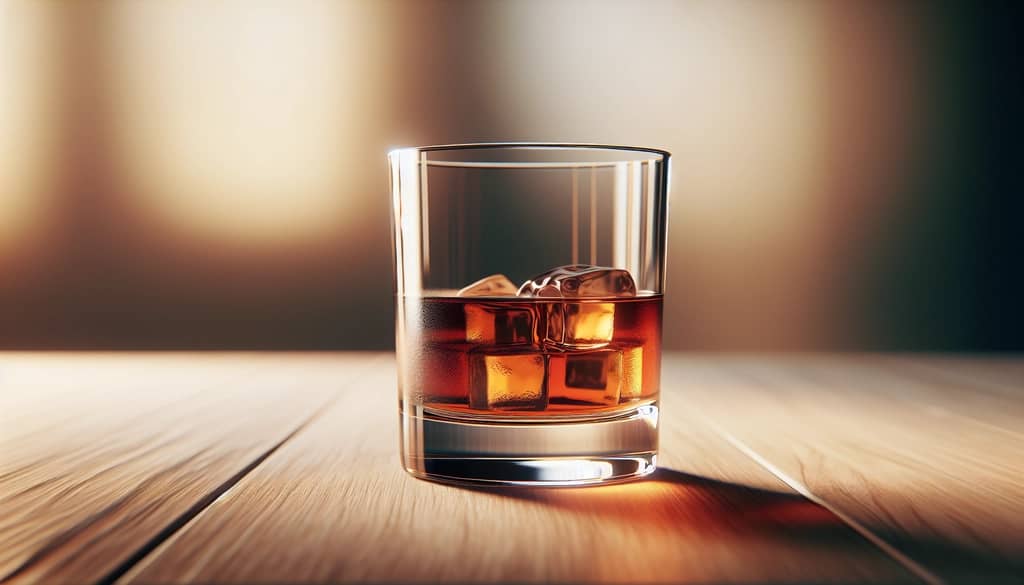
Bourbon is the backbone of countless classic cocktails, from the Old Fashioned to the Boulevardier. The question often arises: should you reach for a top-shelf bottle when mixing drinks, or can a mid-range spirit yield equally enjoyable results? The truth depends on both the cocktail recipe and your intended drinking experience.
What Defines High-Quality Bourbon?
High-quality bourbon typically refers to bottles with well-sourced grains, longer aging, richer flavor complexity, and minimal additives. These spirits often display nuanced aromas, a velvety mouthfeel, and a longer, smoother finish compared to entry-level or mass-market brands. However, price does not always equate to quality—some bourbons deliver outstanding value at a moderate cost.
Quality vs. Cost: Where to Draw the Line in Cocktails
Expensive, high-quality bourbon can certainly polish the edges of a thoughtfully crafted drink, especially those that spotlight the spirit with minimal modifiers. Yet, many classic cocktails were designed around approachable, robust spirits—not ultra-rare, nuanced sippers.
- Mid-range bourbons (usually 90–100 proof, aged 4–6 years, still with character) often strike the best balance in cocktails. They offer enough complexity to shine through mixers, yet are reasonably priced for home and professional bartending.
- Premium bottles are ideal for cocktails that are spirit-forward—think an Old Fashioned or Manhattan—where bourbon is the star of the glass.
- In cocktails with bold flavors or many components, such as a whiskey sour or boulevardier, a great mid-shelf bourbon gets the job done without sacrificing flavor.
Best Practices for Choosing Bourbon in Cocktails
- Reserve high-quality bourbon for simple cocktails, neat pours, or when you want the whiskey's subtle character to shine.
- Use mid-range bourbon (like Buffalo Trace, Wild Turkey 101, Four Roses Small Batch) for most cocktail recipes—these offer distinctive character, structure, and good value.
- Save bottom-shelf bourbons for large-batch punches or mixed drinks with strong non-alcoholic flavors, but beware: poor quality can lead to harshness and off-flavors.
How Bourbon Choice Affects Cocktail Flavor
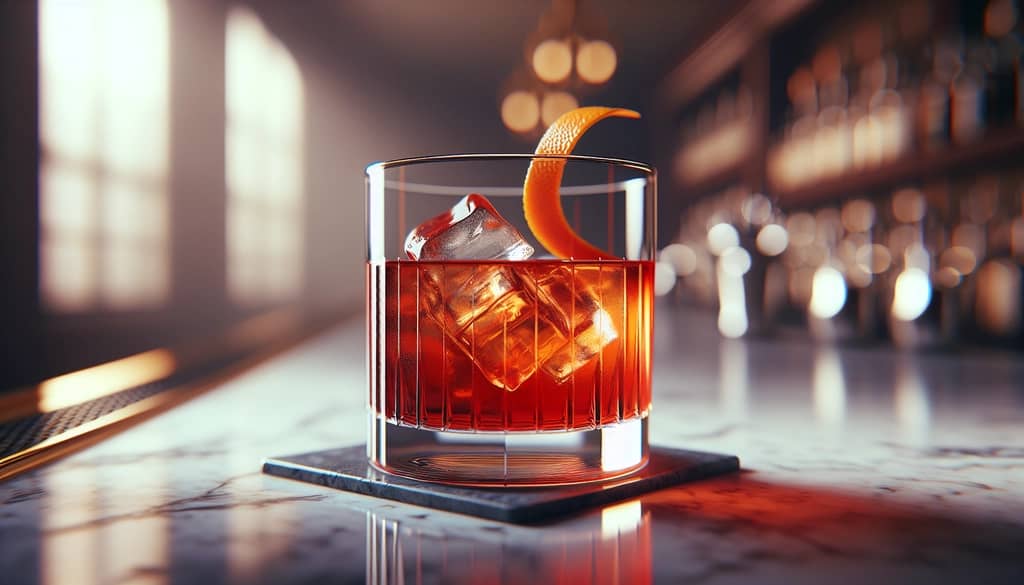
Higher-quality bourbon typically brings richer vanilla, caramel, oak, and dried fruit notes, which enhance simple, spirit-forward blends. In heavier or citrusy cocktails, some of these subtleties get masked by other bold ingredients, so you gain less benefit from paying more.
- For whiskey sours, bourbon’s sweetness balances lemon and syrup. A quality mid-range bottle prevents harshness yet stands up to dilution.
- In an Old Fashioned, subtle wood and vanilla from a well-made bourbon can take center stage.
- Complex rye-forward bourbons work beautifully in Boulevardiers or Manhattans, providing structure alongside bittersweet vermouth or Campari.
Key Takeaways: Necessary or Not?
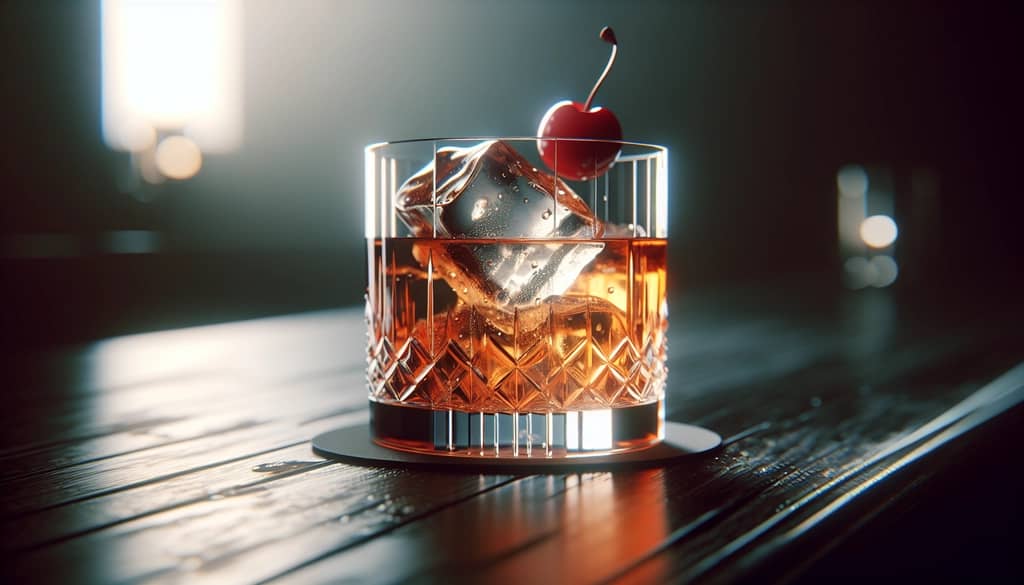
- High-quality bourbon is not strictly necessary for most cocktails; mid-range spirits deliver excellent results and better value.
- Save premium bourbon for neat pours or classic, minimal-ingredient recipes where the spirit takes center stage.
- Regardless of price, choose a bourbon you enjoy drinking—doing so guarantees the best cocktail experience.